

India’s Bio-Bitumen Innovation to Cut Agricultural Waste and Imports

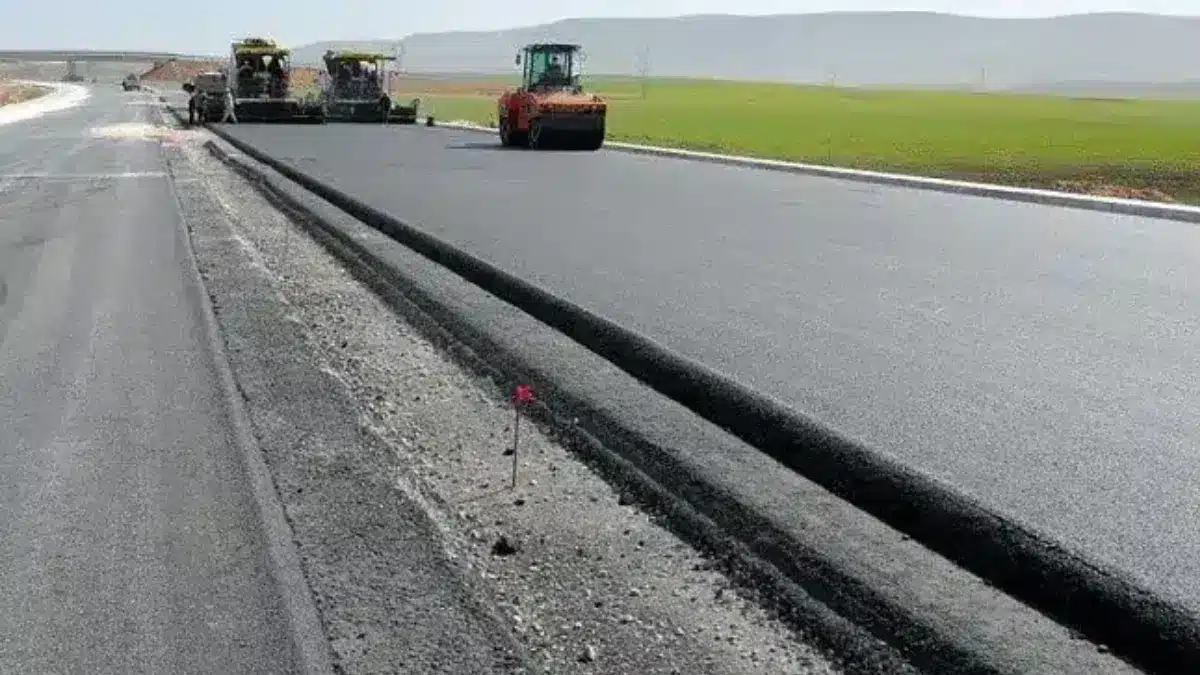
In a groundbreaking initiative, Dr. Jitendra Singh, Union Minister of State for Science and Technology, announced that converting crop waste into bio-bitumen could save India about ₹40,000 crores in imports annually. This innovation leverages indigenous technology developed by the CSIR–Central Road Research Institute (CRRI) in New Delhi and CSIR–Indian Institute of Petroleum (IIP) in Dehradun, creating a sustainable solution to dual challenges of agricultural waste and import dependency.
Transforming Waste into Wealth
During a recent Technology Transfer event organized by the Council of Scientific and Industrial Research (CSIR), Dr. Singh highlighted the potential of bio-bitumen to not only reduce reliance on conventional imports but also to help in infrastructure development that is less vulnerable to global supply issues. He explained that nearly 600 million tonnes of crop residue are produced in India each year, much of which is incinerated, contributing to severe air pollution. Simultaneously, the nation consumes about 8.8 million tonnes of bitumen annually, with a significant portion sourced overseas.
Linking Agriculture and Economy
This innovative bio-bitumen technology has the capacity to convert agricultural waste, such as rice straw and wheat straw, into a valuable resource for road construction. Dr. Singh emphasized the initiative as part of a broader vision articulated by Prime Minister Narendra Modi, focusing on self-reliance and reducing import dependence since 2014. By transforming waste into wealth, the initiative aims to provide farmers with an additional income source while simultaneously addressing pollution issues.
Benefits Beyond Borders
Dr. Singh explained that this technology aligns with multiple national priorities, including decreasing pollution from stubble burning and enhancing farmers’ earnings. It promotes a circular economy and supports India’s commitment to achieving net-zero emissions. He praised the collaborative effort among ministries, institutions, and industry stakeholders as indicative of a more integrated government approach.
Future Outlook
During the event, Union Agriculture Minister, Shri Shivraj Singh Chouhan, lauded the initiative as a significant convergence of agriculture, science, and industry. He noted that self-reliance in infrastructure is crucial in the present global landscape and innovations like bio-bitumen will be instrumental in achieving this goal.
Paving the Way for Sustainable Infrastructure
The bio-bitumen technology employs a thermochemical process to produce a renewable binder that can replace conventional bitumen without compromising performance. With successful trials already completed, the process is moving toward large-scale adoption. Dr. N. Kalaiselvi, Director General of CSIR, noted the rapid industry uptake of the technology and highlighted its potential for applications beyond road construction, such as in pest management and energy storage.
This initiative not only positions India as a leader in sustainable infrastructure innovation but also contributes to the larger vision of an Atmanirbhar Bharat (self-reliant India) and the Viksit Bharat 2047 (Developed India 2047) objectives. The government plans to continue collaborating with industry partners to ensure widespread adoption and integration of this eco-friendly technology.
Observer Voice is the one stop site for National, International news, Sports, Editor’s Choice, Art/culture contents, Quotes and much more. We also cover historical contents. Historical contents includes World History, Indian History, and what happened today. The website also covers Entertainment across the India and World.

