

India Trade Enhancement: US Exempts Certain Agricultural Products from Reciprocal Tariffs; GTRI Reports Slight Gains

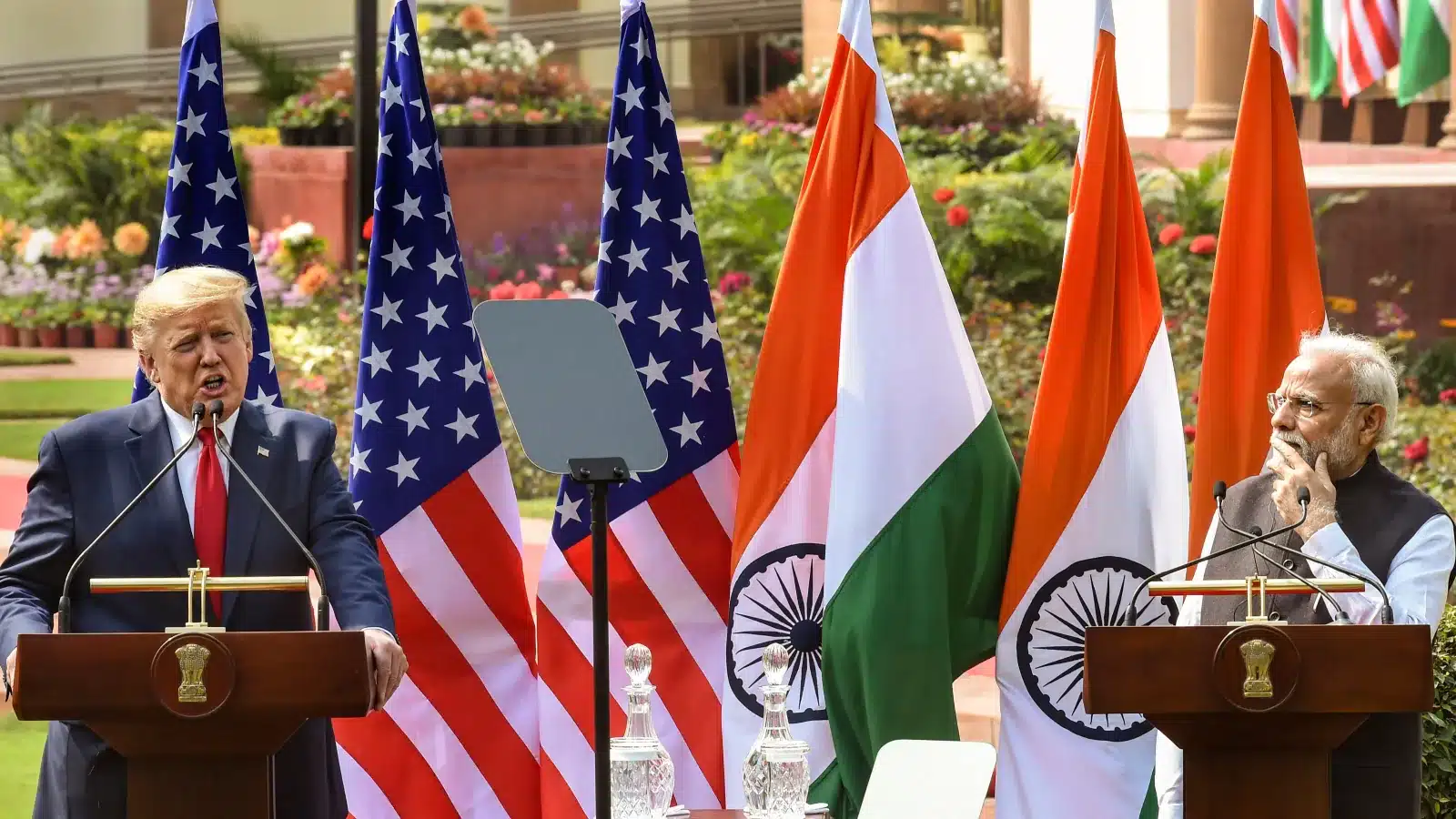
India may gain a slight competitive edge in certain agricultural exports following a recent decision by the United States to lift tariffs on several products. A White House Executive Order, effective November 13, exempts items such as coffee, tea, tropical fruits, and spices from the previously imposed reciprocal tariffs of 25-50%. However, experts from the Global Trade Research Initiative (GTRI) caution that the immediate benefits for India will be limited due to its minimal presence in these markets.
Impact of the U.S. Executive Order
The U.S. Executive Order issued on November 12 has removed tariffs on a range of agricultural products, including coffee, tea, tropical fruits, fruit juices, cocoa, spices, bananas, tomatoes, beef, and certain fertilizers. This change means that these goods will now be subject only to standard Most Favored Nation (MFN) duties, which are generally lower than the reciprocal tariffs that were previously in place. The GTRI’s analysis indicates that while this exemption could benefit India, the overall impact on its export volumes will be modest.
India’s share in the U.S. import market for these products is relatively small, amounting to just $548 million out of a total $50.6 billion. The majority of India’s exports in this category consist of high-value spices and tea, with significant contributions from pepper and capsicum preparations, ginger-turmeric-curry spices, and anise-cumin seeds. However, the country has almost no exports in larger categories like tomatoes, citrus fruits, and melons, which are now tariff-exempt.
Limited Export Gains for India
According to GTRI co-founder Ajay Srivastava, India’s immediate export gains from the tariff exemption will be constrained. The analysis reveals that while India exports notable amounts of spices and tea, it lacks a significant presence in many of the larger tariff-exempt categories. For instance, India has zero exports in tomatoes and citrus fruits, and its banana exports are minimal, totaling less than $0.5 million.
The U.S. imports in these categories are substantial, with coffee alone accounting for $9 billion, followed by tropical fruits at $6.1 billion and fresh fruits at $6.3 billion. The GTRI report highlights that India’s negligible share in these markets limits its ability to capitalize on the tariff exemptions. The think tank also notes that the interpretation of the new order will be crucial in determining whether Indian shipments will be exempt from the full 50% tariff or just the 25% reciprocal tariff, which could affect pricing competitiveness.
Competitive Landscape and Global Implications
While the tariff exemption offers a marginal advantage to India, GTRI warns that the primary beneficiaries will likely be exporters from Latin America, Africa, and ASEAN countries. These regions already dominate U.S. imports of fruits, juices, and other exempted products. Srivastava emphasizes that countries with established agricultural export infrastructures, including strong cold-chain logistics and diverse product offerings, will benefit the most from this policy shift.
The broader implications of the U.S. decision reflect Washington’s strategy to maintain lower duties on products that are not sufficiently produced domestically or are heavily influenced by climate conditions that the U.S. cannot replicate. As the global agricultural market evolves, India’s ability to enhance its export competitiveness will depend on its capacity to adapt to these changes and expand its presence in the U.S. market.
Observer Voice is the one stop site for National, International news, Sports, Editor’s Choice, Art/culture contents, Quotes and much more. We also cover historical contents. Historical contents includes World History, Indian History, and what happened today. The website also covers Entertainment across the India and World.

