

India Takes Urgent Action as Air Quality Index Reaches Alarming Levels

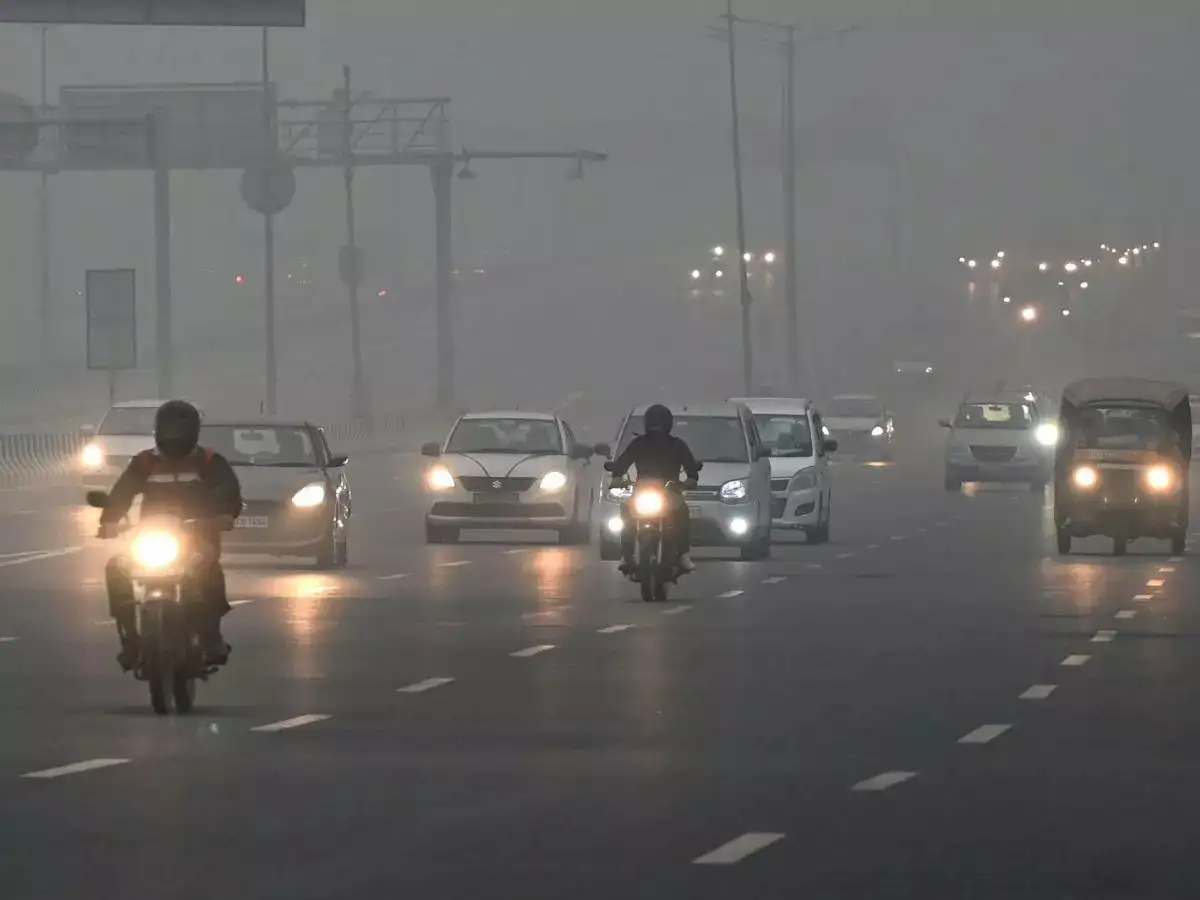
Schools in Delhi and its neighboring areas have transitioned to online classes as the city faces a severe air quality crisis. A toxic haze has enveloped the Indian capital, significantly impacting visibility and causing delays in flights and train services. The air quality index (AQI) soared to alarming levels, exceeding 30 times the World Health Organization’s recommended limits, raising serious health concerns for residents, particularly vulnerable groups such as children and the elderly.
Severe Air Quality Crisis
On Monday morning, Delhi’s air quality index registered an alarming average of 471, according to the government’s Safar app. This level of pollution is classified as “severe” by India’s pollution watchdog, which categorizes AQI levels above 400 as hazardous. The sudden deterioration in air quality follows a brief period of improvement, where the AQI fluctuated between “poor” and “very poor.” The toxic air is a recurring issue in Delhi, especially during the winter months, and is attributed to a combination of factors including industrial emissions, vehicle exhaust, low wind speeds, and the seasonal burning of crop stubble in nearby states.
Government Response and Measures
In response to the worsening air quality, India’s Commission for Air Quality Management (CAQM) activated the highest level of its graded response action plan (GRAP), moving from “level III” to “level IV.” This escalation has led to significant restrictions, including a ban on older diesel trucks entering the city and a halt to construction activities. Schools have been instructed to adopt hybrid classes, with younger students required to attend online. Additionally, the Supreme Court of India has recommended that lawyers and litigants participate in court hearings virtually to minimize exposure to the hazardous air.
Health Risks and Public Warnings
Authorities have issued warnings to residents, particularly those with pre-existing health conditions, urging them to remain indoors. The CAQM has advised that masks should be worn if individuals must go outside. Prolonged exposure to such high levels of pollution can lead to serious respiratory issues, even in healthy individuals. Recent data revealed that over 200,000 cases of acute respiratory illnesses were reported in six state-run hospitals in Delhi between 2022 and 2024, highlighting the ongoing health crisis linked to rising pollution levels.
Contributing Factors to Pollution
The current air quality crisis is exacerbated by a mix of environmental factors. High moisture levels and a shift in wind direction have hindered the dispersion of pollutants, leading to the formation of smog. As temperatures drop, the situation tends to worsen, creating a cycle of poor air quality that affects millions of residents. The government continues to monitor the situation closely, but the challenge of managing air pollution in Delhi remains a pressing issue that requires urgent and sustained action.
Observer Voice is the one stop site for National, International news, Sports, Editor’s Choice, Art/culture contents, Quotes and much more. We also cover historical contents. Historical contents includes World History, Indian History, and what happened today. The website also covers Entertainment across the India and World.
Follow Us on Twitter, Instagram, Facebook, & LinkedIn

