

India Designates Two New Biodiversity Repositories

The National Biodiversity Authority (NBA), in collaboration with the Union Ministry of Environment, Forest and Climate Change, has officially designated two institutions as repositories for biological resources. The Referral Centre Bhavasagara at the Centre for Marine Living Resources and Ecology (CMLRE) in Kochi and the MACS Collection of Microorganisms and the National Fungal Culture Collection at the Agharkar Research Institute in Pune now have enhanced roles under Section 39 of the Biological Diversity Act of 2002.
New Repositories Enhance Conservation Efforts
This designation empowers the Central Government to recognize institutions as safe havens for various categories of biological resources. These repositories are crucial for the secure custody of biological materials, including voucher specimens. They will also bolster the documentation of newly discovered species, enhancing both research and commercial prospects.
Guidelines for New Discoveries
The designated repositories are tasked with safeguarding biological materials. Any individual or organization discovering a new taxon is mandated to notify the respective repository and deposit voucher specimens. To streamline this process, the NBA has issued guidelines outlining criteria for institutions that aspire to gain repository status. Proposals submitted by institutions are evaluated by the NBA’s Governing Body and subsequently recommended for official notification.
Showcasing Unique Biodiversity at CMLRE
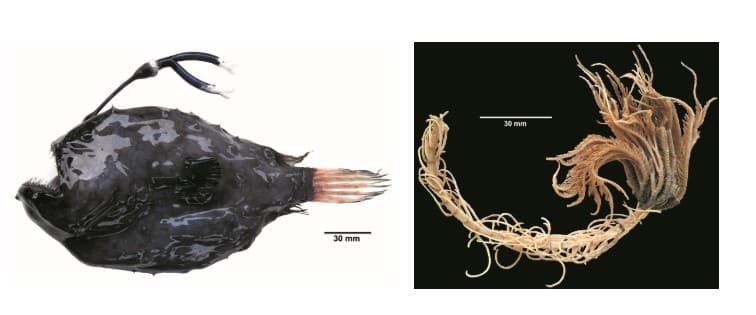
The Referral Centre Bhavasagara is dedicated to studying deep-sea biodiversity, maintaining an impressive collection of over 3,500 identified and geo-referenced voucher specimens of diverse marine organisms, including invertebrates and deep-sea fishes. This vital facility significantly contributes to marine research, particularly in unexplored areas of the ocean.
Agharkar Research Institute’s Multifaceted Role
The Agharkar Research Institute houses the MACS Collection of Microorganisms, which excels in preserving microbial cultures. This facility specializes in handling rare and challenging microorganisms, including anaerobic and extremophilic species, making its collection one of the most diverse in India. It plays an essential role in advancing research and applications in agriculture, health, and industry.
Additionally, the National Fungal Culture Collection at the Agharkar Research Institute is a premier repository for fungal diversity. The collection includes authenticated fungi from various Indian habitats and supports research initiatives in fungal identification and classification. It also provides services to academia and industry while promoting capacity building through training collaborations.
Strengthening India’s Biological Diversity Network
With the recent designations, the count of national repositories under Section 39 of the Act has risen to 18. This expansion reinforces the national framework for the conservation and systematic documentation of biological resources in India.
The focused effort will ensure the preservation of biological materials under scientifically appropriate conditions, making them accessible for innovative research. This step also aims to enhance transparency and promote effective implementation of access and benefit-sharing protocols.
This initiative reflects India’s ongoing dedication to the Convention on Biological Diversity, striving to promote the conservation and sustainable use of biological resources while ensuring equitable sharing of benefits derived from their usage.
Observer Voice is the one stop site for National, International news, Sports, Editor’s Choice, Art/culture contents, Quotes and much more. We also cover historical contents. Historical contents includes World History, Indian History, and what happened today. The website also covers Entertainment across the India and World.
Follow Us on Twitter, Instagram, Facebook, & LinkedIn

