

India Advances Malaria Elimination Goals with Focused Strategies

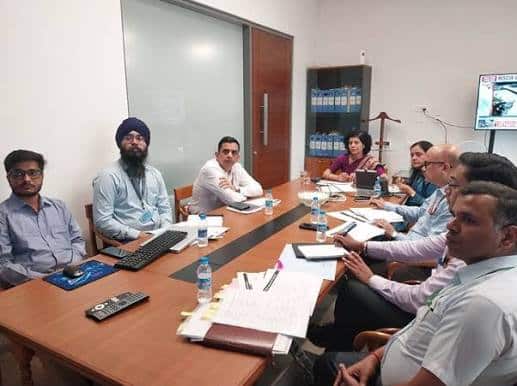
India is reaffirming its commitment to achieve malaria elimination by 2030, as demonstrated in a high-level review meeting led by Smt. Aradhana Patnaik, Additional Secretary and Mission Director of the National Health Mission. The meeting brought together senior officials from the Ministry of Health and Family Welfare, the National Centre for Vector Borne Diseases Control, and district representatives from various states.
Significant strides have been made in reducing malaria’s impact in India. Reports show that malaria cases and deaths fell by nearly 80% from 2015 to 2025, with high-burden districts decreasing from 155 to just 33. Remarkably, 160 districts reported zero indigenous malaria cases during the years 2022 to 2025, highlighting the success of targeted control measures.
Focusing on High-Burden Areas
The meeting scrutinized the 33 high-burden districts across nine states and union territories, which accounted for 64% of reported malaria cases and 54% of malaria deaths in 2025. State-wise assessments were conducted for regions including Mizoram, Odisha, Tripura, Assam, Andhra Pradesh, the Andaman and Nicobar Islands, Chhattisgarh, Jharkhand, and Maharashtra.
Smt. Patnaik stressed the need for ongoing vigilance and tailored strategies to effectively tackle malaria. She highlighted the importance of implementing District Action Plans and localized Village Action Plans to ensure interventions are aligned with specific epidemiological and geographical contexts.
Enhancing Detection and Treatment
The meeting emphasized the critical need to bolster the “Test, Treat and Track” strategy. Delays in diagnosis and treatment were identified as key factors leading to malaria-related deaths. To combat this, states are urged to enhance active surveillance and guarantee a steady supply of diagnostic tools and anti-malarial medications, especially in remote and vulnerable locations.
Improving Surveillance Systems
Another key focus area was the enhancement of surveillance systems and the improvement of data quality. States were advised to analyze unusually high Annual Blood Examination Rates (ABER) to uncover issues like duplicate testing and misreported cases. Achieving accurate assessments of malaria situations and program performance is crucial.
Collaboration for Sustainable Solutions
Smt. Patnaik also highlighted the necessity of intersectoral coordination to effectively eliminate malaria. Health initiatives alone are insufficient to tackle the multifaceted factors behind malaria transmission, such as water-logging and environmental management. Collaboration with the Departments of Rural and Urban Development, along with local governance bodies, is essential for implementing vector-control measures.
The meeting encouraged greater involvement from Self-Help Groups, community volunteers, and local leaders to facilitate community engagement in reporting fever cases and identifying potential mosquito breeding sites, essential for source-reduction activities.
Observer Voice is the one stop site for National, International news, Sports, Editor’s Choice, Art/culture contents, Quotes and much more. We also cover historical contents. Historical contents includes World History, Indian History, and what happened today. The website also covers Entertainment across the India and World.

