

Government Advances AI Integration in Public Services

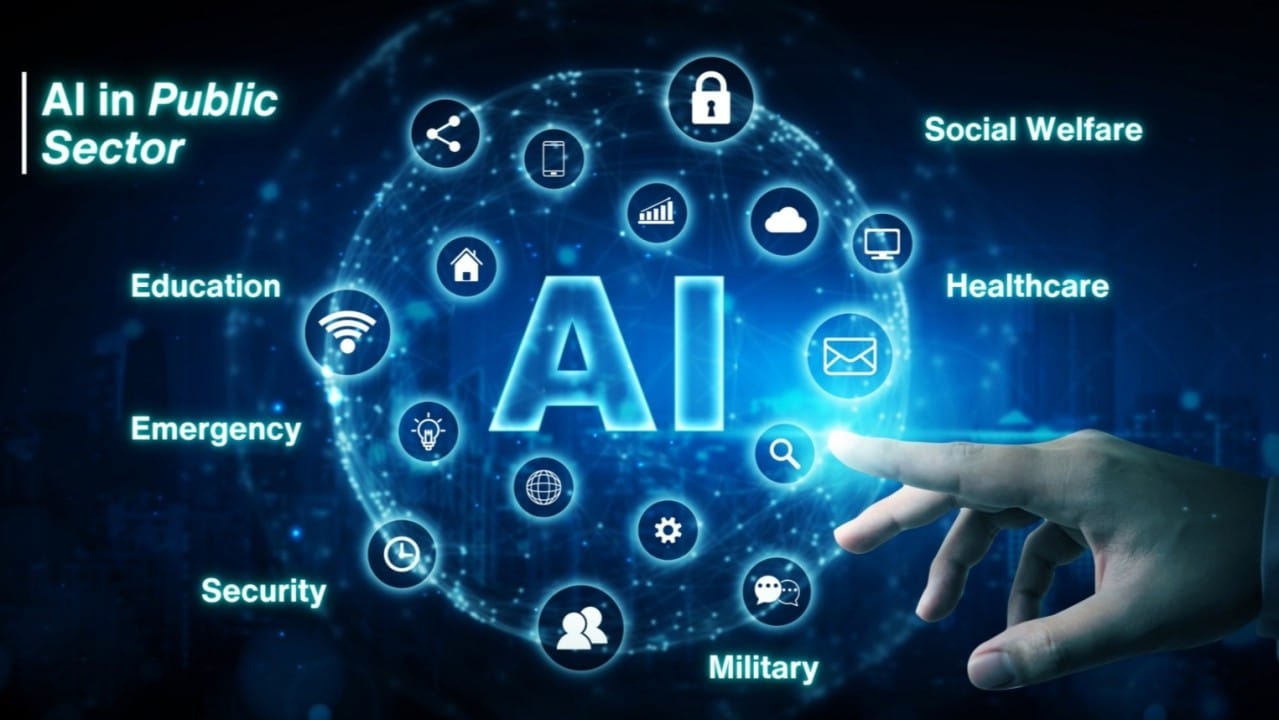
The Department of Personnel and Training (DoPT) has taken a significant step forward in enhancing governance through Artificial Intelligence (AI). During a recent discussion on “AI in Public Governance” as part of Mission Karmayogi’s National Learning Week, Secretary Rachna Shah detailed the ongoing and planned AI deployments in various governmental processes, including recruitment, grievance redressal, and employee service delivery.
Shah highlighted several innovative AI solutions currently in development, such as automated salary processing, anomaly detection in reimbursements, and chatbot-assisted grievance handling. Notable tools like AI Medha, Bhashini, and AI Coach are already under exploration within government frameworks. The Secretary emphasized that this strategic adoption of AI aims to boost governance by increasing “accuracy, transparency, uniformity, and cost efficiency.” However, she also stressed the importance of integrating strong safeguards for privacy, ethical use, and cybersecurity due to the sensitive information encompassed in government data.
Expert Insights on AI Deployment Risks
At the event, AI practitioner Dr. Preet Deep Singh shared his expertise on the practical applications and potential risks associated with AI in governance. He highlighted the critical importance of using these tools responsibly, particularly when it comes to managing confidential data. Singh illustrated various use cases that showcased the interplay between workflows and security measures, reinforcing the necessity for secure environments aimed at government utilization.
Strategic Frameworks for AI Integration
Joint Secretary (Training) Chhavi Bhardwaj presented DoPT’s structured strategy focusing on capacity building, data-driven decision support, and workforce management. She noted that AI is already transforming the development of training content on the iGOT platform, reducing the time from months to just a week and significantly decreasing related costs. Future initiatives will concentrate on creating personalized learning pathways and competency-based assessments. Furthermore, the use of AI in analyzing performance appraisal data and intelligent decision support systems was also emphasized, with a commitment to maintaining data confidentiality via on-premise or government cloud solutions.
Towards a Unified AI Ecosystem
Additional Secretary Manoj Kumar Dwivedi concluded the session by advocating for a shift from isolated AI tool applications to a cohesive, institutionalized integration within DoPT’s ecosystem. He pinpointed three key areas for priority focus: training, policy formulation, and data-driven human resource management. Dwivedi outlined the potential for AI to enhance query systems, decision frameworks, and analytics on platforms like e-HRMS. He cautioned that without embedding AI tools into routine workflows, their adoption may remain limited and voiced concerns over data confidentiality, emphasizing the need for rigorous protocols and targeted training. Furthermore, he highlighted the necessity of utilizing government platforms and NIC systems for seamless AI integration, warning that a failure to keep pace with technological advancements could result in a widening efficiency gap between public and private sectors.
Observer Voice is the one stop site for National, International news, Sports, Editor’s Choice, Art/culture contents, Quotes and much more. We also cover historical contents. Historical contents includes World History, Indian History, and what happened today. The website also covers Entertainment across the India and World.
Follow Us on Twitter, Instagram, Facebook, & LinkedIn

