

Google Targets PC Market with AI-Driven ‘Aluminium OS’

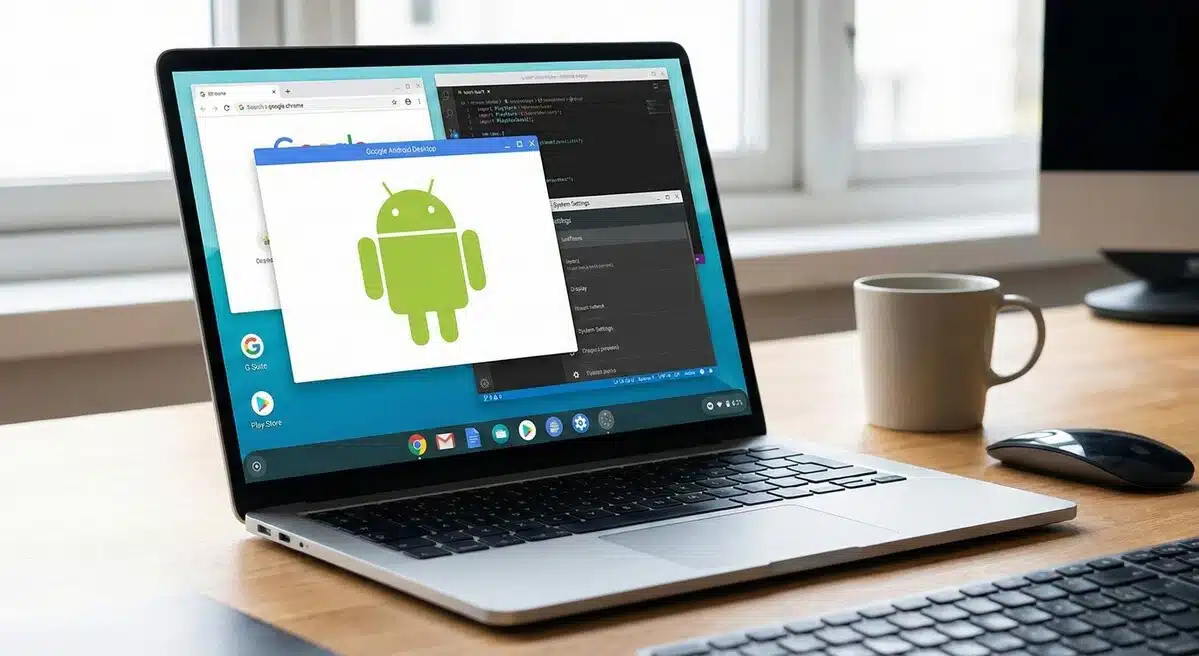
Google is making strides to expand its software strategy by exploring the potential of Android on traditional computers. After years of extending Android’s reach to various devices like TVs, cars, and mixed-reality headsets, the tech giant is now setting its sights on the PC market. Recent job postings indicate that Google is developing an Android-based operating system named Aluminium OS, which is designed to integrate artificial intelligence into desktop computing.
A New OS for Desktops?
A report from Android Authority reveals that Google is actively seeking a “Senior Product Manager, Android, Laptop and Tablets” for its new platform, Aluminium OS. This operating system aims to leverage Android’s capabilities while focusing on artificial intelligence. Google has previously ventured into the PC space with ChromeOS, which found its niche primarily in educational and budget markets. However, it has not succeeded in displacing established operating systems like Windows or macOS on traditional PCs.
In September, Google announced a collaboration with Qualcomm during the Snapdragon Summit, aiming to create a unified platform that bridges mobile and desktop computing. The emergence of Aluminium OS appears to align with this initiative, suggesting that Google is serious about making a mark in the PC segment.
AI at the Core
Aluminium OS is expected to incorporate Google’s Gemini tools, which are already utilized in many high-end Android devices for on-device AI functionalities. By introducing similar capabilities to a desktop environment, Google could significantly enhance Android’s AI performance, overcoming limitations typically associated with smartphones, such as battery life and memory constraints.
The job listing for the Senior Product Manager role provides further insights into Google’s intentions. It indicates that the new OS will coexist with ChromeOS, with plans to define a roadmap that includes various device formats such as laptops, detachables, tablets, and compact boxes. The product tiers mentioned range from Chromebook and Chromebook Plus to multiple categories of Aluminium OS, suggesting a diverse hardware strategy.
Broader Hardware Options
Interestingly, the mention of Aluminium OS targeting both entry-level and premium devices indicates that Google is not limiting its ambitions to low-cost PCs. This strategy could open up a wider array of hardware options, appealing to a broader audience. The parallel development of ChromeOS and Aluminium OS suggests that both systems will coexist for the foreseeable future, with potential plans for integration or shared components down the line.
If Google proceeds with Aluminium OS, it could redefine Android’s role within the PC ecosystem. This development may lead to devices that combine mobile features with desktop-level performance, marking a significant shift in Google’s platform strategy. As the tech landscape evolves, the introduction of Aluminium OS could position Google as a formidable player in the competitive PC market.
Observer Voice is the one stop site for National, International news, Sports, Editor’s Choice, Art/culture contents, Quotes and much more. We also cover historical contents. Historical contents includes World History, Indian History, and what happened today. The website also covers Entertainment across the India and World.

