

Factors Contributing to Home Test Struggles: A Look at the Broken Feeder System and Limited Player Pool

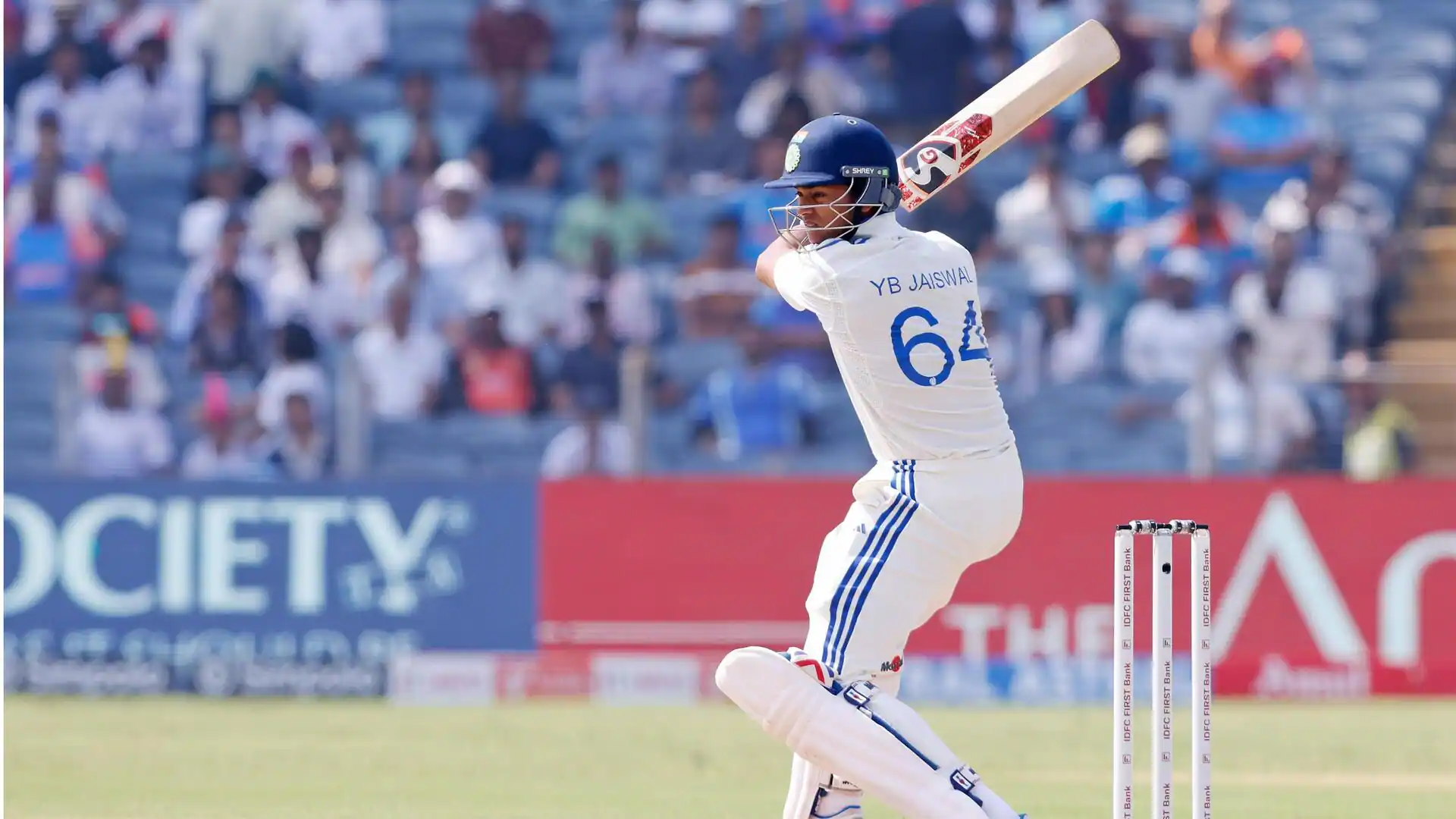
If the remarkable heist at the Gabba in January 2021 showcased India’s robust player pool, recent home defeats against New Zealand and South Africa have raised concerns about the current state of player development. The selection of Nitish Kumar Reddy for the Guwahati Test, despite his struggles in international cricket, highlights a troubling trend in the team’s approach to nurturing talent. The management’s decision to include Reddy, aimed at balancing a left-handed heavy lineup, underscores a lack of depth in the middle-order batting options, reflecting a broader issue within India’s cricketing structure.
Concerns Over Player Development
India’s recent performances have sparked discussions about the effectiveness of its player development system. The team’s struggles at home against New Zealand and South Africa have been alarming, especially when compared to the success seen in the past. The selection of Nitish Kumar Reddy for the second Test against South Africa has drawn criticism, as many believe that a more experienced right-handed batsman should have been chosen instead. This decision raises questions about the current management’s ability to identify and nurture talent effectively.
The feeder system that was established during Rahul Dravid’s tenure at the National Cricket Academy (NCA) from 2015 to 2021 has seemingly faltered. Under Dravid, players like Rishabh Pant and Mohammed Siraj successfully transitioned to international cricket, thanks to a well-structured development program. However, the recent reliance on less experienced players like Reddy suggests a significant gap in the pipeline for middle-order batsmen. The current management must address these shortcomings to ensure a stronger future for Indian cricket.
Management and Selection Challenges
Coach Gautam Gambhir’s comments following the series sweep indicate a belief in the ongoing transition within the team. However, the confusion surrounding player selection has led to instability, particularly after the retirements of key players like Rohit Sharma and Virat Kohli. The need for a cohesive strategy is evident, as the current approach appears disjointed. MSK Prasad, who previously served as chairman of selectors, emphasized the importance of collaboration among the team management, selectors, and coaches to create a robust player pool.
Prasad recalls a time when meticulous planning ensured a steady flow of talent into the national team. He highlighted the importance of having a clear strategy for player development, including identifying potential replacements for key positions. The current selection committee’s apparent disconnect from domestic cricket raises concerns about their ability to make informed decisions. A more proactive approach is necessary to scout and develop players who can step up when needed.
The Role of VVS Laxman and Future Directions
The involvement of VVS Laxman, head of the revamped Centre of Excellence, is crucial for revitalizing India’s player development program. Reports suggest that Laxman and chief selector Ajit Agarkar are working diligently to enhance the ‘A’ program, which is essential for grooming future talent. However, there are indications that the necessary synergy between the national team, selectors, and developmental sides is lacking.
Laxman’s influence could be pivotal in shaping a more effective pathway for young players. The current selection process has been criticized for favoring players with minimal first-class experience, which could hinder the team’s long-term success. Historical examples, such as Siraj and Pant, demonstrate the value of extensive preparation before making the leap to international cricket. A more structured approach to player selection and development is essential for ensuring that India remains competitive on the global stage.
Looking Ahead: The Need for a Cohesive Strategy
The recent 2-2 result in England serves as a reminder of the potential talent within the Indian cricketing system. However, realizing this potential requires a firm commitment to a well-defined plan. The current management must prioritize identifying players for specific roles and ensuring that there is adequate backup for each position. The absence of a reliable backup opener and the need for a more comprehensive strategy for pace resources are areas that require immediate attention.
As the cricketing landscape evolves, it is crucial for the Indian team management to adapt and refine their approach. The emphasis should be on fostering a culture of patience and long-term planning, rather than quick fixes. By aligning the efforts of selectors, coaches, and developmental programs, India can build a stronger foundation for future success in international cricket.
Observer Voice is the one stop site for National, International news, Sports, Editor’s Choice, Art/culture contents, Quotes and much more. We also cover historical contents. Historical contents includes World History, Indian History, and what happened today. The website also covers Entertainment across the India and World.
Follow Us on Twitter, Instagram, Facebook, & LinkedIn

