

Exploring Alternatives to LPG: What Will Fuel Indian Kitchens in the Future?

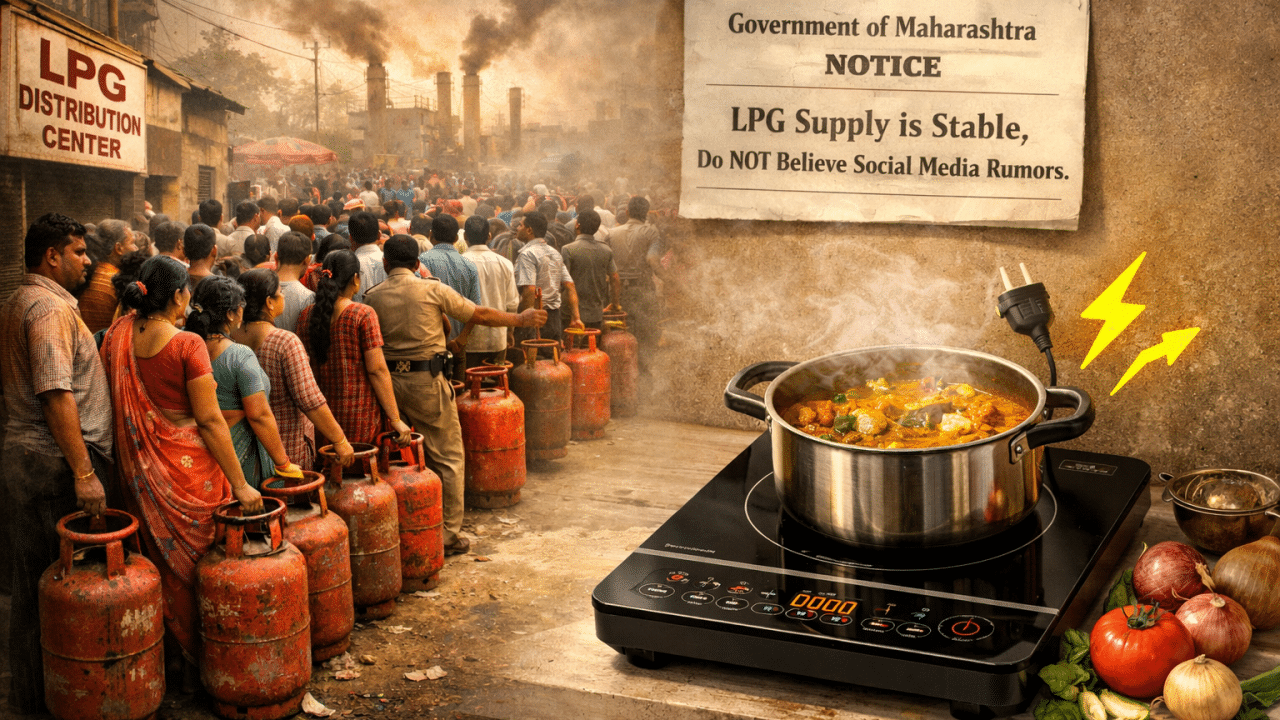
Long gone are the days when Indian kitchens relied on firewood, charcoal, and cow dung cakes. Today, the familiar blue flame of Liquefied Petroleum Gas (LPG) fuels the majority of households across the country. However, recent geopolitical tensions, particularly in the Middle East, have raised concerns about the security of this essential energy source. With nearly 90% of India’s LPG imports passing through the Strait of Hormuz, the potential for disruption has sparked discussions about the country’s energy future and the need for alternative cooking fuels.
India’s LPG Dependency
India’s reliance on LPG is significant, with the country importing between 55% and 59% of its total consumption. In the fiscal year 2025, LPG consumption reached 31.3 million tonnes, while domestic production stagnated at 12.8 million tonnes, creating a substantial gap filled by imports. This growing dependency on external sources raises questions about the stability of energy supplies, especially in light of recent global events that have impacted energy markets. The situation has led to increased demand for cylinder refills and reports of black market activities, despite government assurances of adequate supply. As the nation grapples with these challenges, the conversation about energy security and sustainability has become more urgent than ever.
Emerging Alternatives to LPG
In response to the vulnerabilities associated with LPG, India is exploring a range of alternative cooking fuels. Piped Natural Gas (PNG) is gaining traction in urban areas, providing a continuous supply of clean-burning gas through underground pipelines. This shift is encouraged by the government, especially in light of recent energy concerns. Currently, over 1.6 crore domestic PNG connections exist, with many households opting for this safer and more convenient option. Meanwhile, electric cooking is also becoming popular, with induction cooktops and electric pressure cookers offering efficient alternatives. Studies indicate that electric cooking can be more cost-effective than LPG, with the added benefit of zero direct emissions. However, challenges remain, including the need for stable electricity supply and compatible cookware.
Biogas and Solar Cooking: Sustainable Solutions
Biogas presents another promising alternative, utilizing organic waste to generate energy through anaerobic digestion. India has the potential to produce significant amounts of biogas, yet less than 1% of this potential is currently tapped. The government has initiated policies to promote biogas production, but high setup costs and logistical challenges hinder widespread adoption. Similarly, solar cooking is emerging as a sustainable option, particularly for large-scale operations like community kitchens. Solar cookers can significantly reduce reliance on LPG, especially in settings that can harness ample sunlight. Innovations in solar cooking technology are expanding its applicability, making it a viable alternative for various cooking needs.
The Future of Cooking Fuels in India
As India navigates its energy landscape, experts suggest that the transition away from LPG will not be a straightforward replacement but rather a gradual shift towards a multi-fuel system. The future of cooking energy in India is likely to involve a combination of solutions tailored to local conditions and consumer preferences. While LPG remains dominant due to its established infrastructure and consumer habits, alternatives like PNG, biogas, and electric cooking are poised to play increasingly important roles. The path forward will require careful planning, investment in infrastructure, and policy support to ensure a secure and sustainable energy future for Indian households.
Observer Voice is the one stop site for National, International news, Sports, Editor’s Choice, Art/culture contents, Quotes and much more. We also cover historical contents. Historical contents includes World History, Indian History, and what happened today. The website also covers Entertainment across the India and World.
Follow Us on Twitter, Instagram, Facebook, & LinkedIn

