

Budget 2026: Agriculture Sector Advocates for Technological Advancements and Climate-Smart Infrastructure

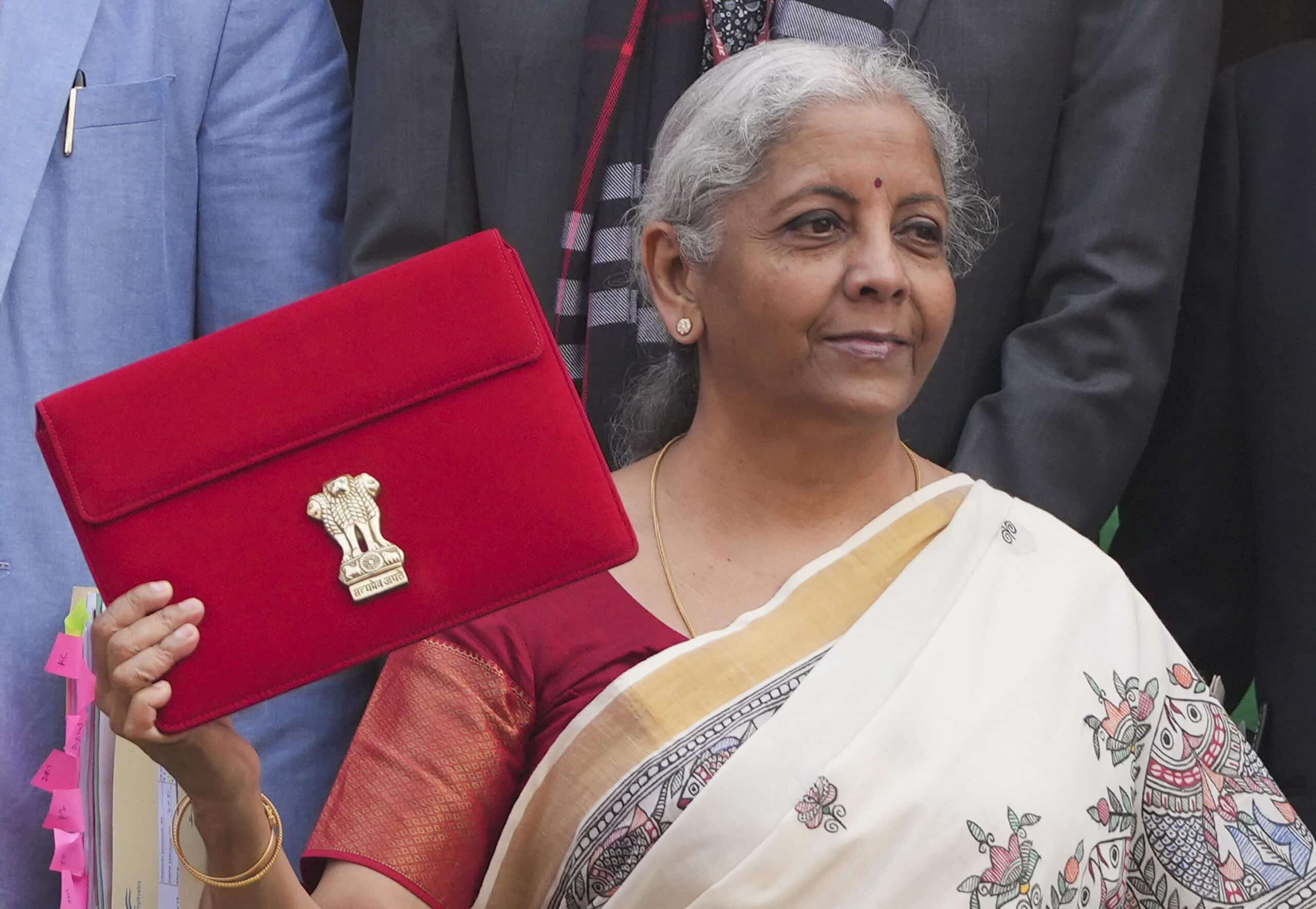
As the fiscal year 2027 budget approaches, leaders in the agriculture sector are urging the government to rethink its support strategies. They are advocating for increased investment in technology, digital systems, and climate-resilient infrastructure to foster long-term growth. With agriculture employing nearly 45% of the workforce but contributing less than 20% to the gross value added, industry experts believe this budget presents a crucial opportunity to transition agriculture from a welfare-focused sector to a significant driver of economic development.
Calls for Enhanced Support in Dairy Industry
Within the broader agricultural landscape, the organized dairy sector is specifically requesting targeted policy interventions. Brahmani Nara, Executive Director of Heritage Foods Ltd, highlighted a shift in consumer preferences towards high-protein and health-oriented products, such as paneer, cheese, ghee, and butter, following the Goods and Services Tax (GST) rationalization in September 2025. To capitalize on this trend, Nara emphasized the need for subsidized access to quality animal feed and chromosome-sorted semen to boost productivity. Additionally, she pointed out the importance of expanding veterinary education to address the current shortfall of registered veterinarians, which stands at 68,000 against an estimated need of 110,000 to 120,000. Nara also called for increased capital subsidies for mini-dairy units, particularly those operated by women entrepreneurs, to further enhance the sector’s growth.
Investing in Climate-Resilient Infrastructure
Industry leaders stress the importance of investing in climate-resilient infrastructure to safeguard the future of farming. Amit Vatsyayan, a leader in agriculture at EY India, identified several critical areas for investment, including micro-irrigation, watershed development, aquifer recharge, and renewable energy-based agricultural assets. He argued that these interventions not only stimulate rural demand and stabilize farm incomes but also enhance food security. Vatsyayan advocated for stronger public-private partnerships in storage, logistics, and agricultural research to minimize post-harvest losses. He also suggested adapting Japan’s farmer school model to establish cluster-based farmer schools linked to farmer producer organizations and Krishi Vigyan Kendras, which would accelerate the adoption of new technologies.
Embracing Technology for Agricultural Growth
The integration of technology into agriculture emerged as a significant theme in discussions about the future of the sector. Swapnil Jadhav, Founder and CEO of MapMyCrop, emphasized that scaling precision farming relies heavily on robust digital infrastructure and improved access to credit. He noted that innovations such as agri-drones, IoT sensors, and AI-driven analytics could significantly enhance crop yields, optimize water and fertilizer usage, and strengthen climate resilience across the 140 million farm holdings in the country. Jadhav urged the government to implement targeted subsidies, foster public-private partnerships, and provide research and development tax incentives to facilitate the transition to a technology-driven agricultural framework.
Addressing Structural Challenges in Agriculture
Despite the potential for growth, the agriculture sector faces several long-standing challenges. Soumyak Biswas, a partner for agriculture at BDO India, pointed out issues such as fragmented landholdings, underinvestment in allied sectors, high post-harvest losses, and limited research funding. He advocated for scaling up climate-smart agriculture through increased funding for the Department of Agricultural Research and Education (DARE), strengthening livestock and fisheries, and supporting farmer producer organizations with credit guarantees and market-linked strategies. Biswas also encouraged diversification into horticulture, pulses, and oilseeds to reduce reliance on water-intensive crops. Vatsyayan added that the rollout of AGRISTACK could provide a digital foundation for many of these reforms, enabling better integration of farmer data, land records, credit, insurance, extension services, and market platforms to enhance efficiency and attract private investment.
Observer Voice is the one stop site for National, International news, Sports, Editor’s Choice, Art/culture contents, Quotes and much more. We also cover historical contents. Historical contents includes World History, Indian History, and what happened today. The website also covers Entertainment across the India and World.
Follow Us on Twitter, Instagram, Facebook, & LinkedIn

