

Babar Azam’s Fall from Grace: From Cricket’s Brightest Star to a Heavyweight Burden

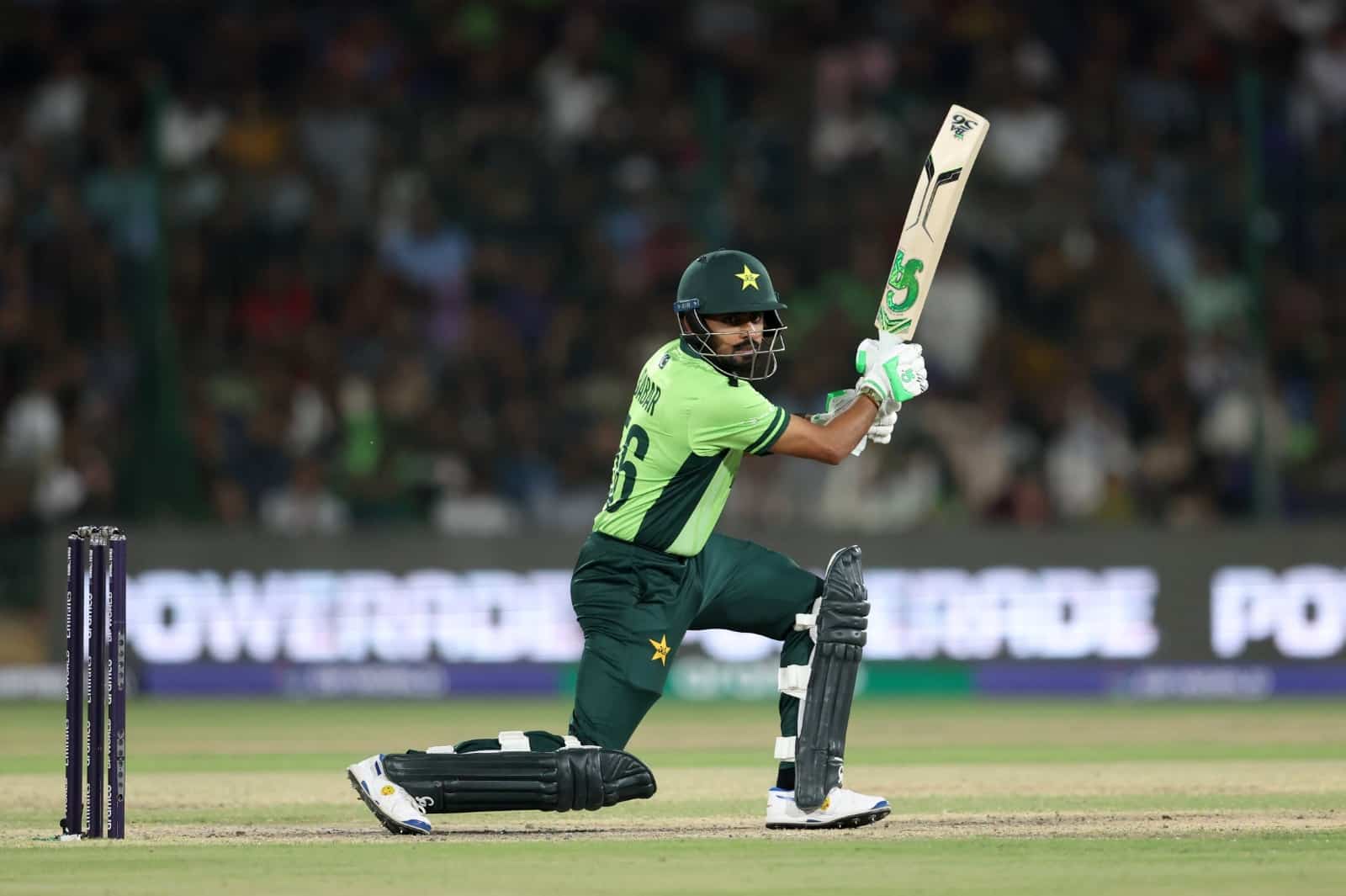
A four-year-old social media post by former South African cricketer Herschelle Gibbs has resurfaced, drawing attention to Babar Azam’s batting style. Gibbs, who previously worked with Babar at Karachi Kings in the Pakistan Super League, suggested that Babar should incorporate more aggressive shots into his game to enhance his strike rate. He also remarked on Babar’s reluctance to accept advice, stating that the Pakistani captain tends to operate in his own world. As Pakistan prepares for their Super Eight clash against England, Babar’s performance and leadership are under scrutiny, especially following a lackluster showing in recent matches.
Babar Azam’s Struggles in T20 World Cups
Babar Azam’s performance in T20 World Cups has raised concerns among fans and analysts alike. Despite being a prominent figure in the format, he has not hit a single six since Pakistan’s victory over India in Dubai in 2021. His struggles have been compounded by a disappointing run in the Big Bash League, where he managed only 202 runs in 11 innings at a strike rate of 103.06. This has led to intense debate regarding his place in the T20 World Cup squad. Critics, including coaches and former players, have pointed out that Babar’s strike rate in the powerplay is alarmingly low, with a figure of just 86.17 across four T20 World Cups. This statistic places him at the bottom among batters who have faced a minimum of 200 deliveries during that phase.
Leadership and Team Dynamics
Despite the criticism, Babar remains a key leader within the Pakistan squad. His teammates, including Shadab Khan, continue to refer to him as “skip,” indicating their respect for his captaincy. However, his recent performances have led to questions about his role in the team. In a recent match against Namibia, Babar did not bat, marking a significant moment in his T20I career. Shadab defended the decision, emphasizing that the team has clear communication regarding roles and responsibilities. Coach Mike Hesson has also supported Babar, stating that he was brought back into the squad for stability in the middle order. Hesson acknowledged that Babar understands his skill set and when it is appropriate for him to bat.
Training and Adaptation
During training sessions in Kandy, Babar has been seen working on his batting against spin, a crucial aspect given the conditions expected in upcoming matches. He has focused on refining his technique, moving away from aggressive slogging to more controlled shots. This shift is essential as modern T20 cricket increasingly demands momentum during the powerplay. Babar’s previous role as an anchor has come under scrutiny, as it often places pressure on the rest of the batting lineup. The Pakistani strategy of employing anchors has not yielded the desired results, leading to discussions about the need for a more dynamic approach.
Future Prospects and Challenges
At 31, Babar Azam finds himself at a pivotal point in his career. Once hailed as the “King” of Pakistan cricket, he now faces mounting pressure to evolve his game. Comparisons to modern greats like Virat Kohli and Steve Smith have faded as his performances have stagnated. Former captain Rashid Latif has suggested that Babar’s past removals from captaincy may have affected his confidence. As Pakistan navigates the challenges of the T20 World Cup, Babar’s position in the team is uncertain. With the potential return of players like Abrar Ahmad and the need for a left-handed batsman, Babar’s role may continue to diminish. Time is of the essence for him to adapt and reclaim his status in the cricketing world.
Observer Voice is the one stop site for National, International news, Sports, Editor’s Choice, Art/culture contents, Quotes and much more. We also cover historical contents. Historical contents includes World History, Indian History, and what happened today. The website also covers Entertainment across the India and World.
Follow Us on Twitter, Instagram, Facebook, & LinkedIn

