-
Editor's Choice

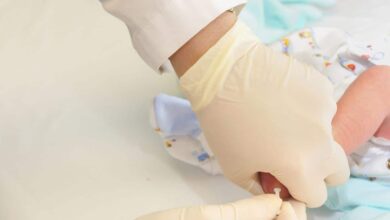
Phenylketonuria (PKU): Why Newborn Screening Changed Everything for This Metabolic Disease
Phenylketonuria, commonly called PKU, is a rare inherited metabolic disorder. It prevents the body from properly breaking down phenylalanine, an amino acid found in protein. Without proper breakdown, phenylalanine builds…
Read More » -
Editor's Choice
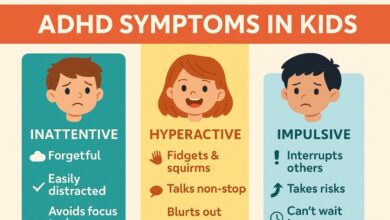
ADHD: Neuroscience, Diagnosis Controversies, and What Actually Helps Children
Attention-deficit/hyperactivity disorder, or ADHD, affects how children focus, behave, and regulate impulses. It’s far more than simple restlessness or poor discipline. Genuine brain differences underlie this common childhood condition. Despite…
Read More » -
Editor's Choice
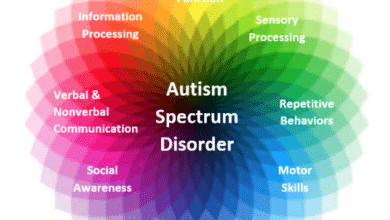
Autism Spectrum Disorder: What the Research Says About Causes, Diagnosis, and Support
Autism spectrum disorder, often called ASD, affects how people communicate and experience the world. It’s a neurodevelopmental condition, meaning it relates to brain development. Each person with autism experiences it…
Read More » -
Editor's Choice
Pediatric Autoimmune Neuropsychiatric Disorders (PANDAS): Controversial, Real, and Poorly Understood
PANDAS stands for pediatric autoimmune neuropsychiatric disorders associated with streptococcal infections. This condition describes sudden behavioral changes following a strep infection. Symptoms often appear practically overnight, surprising parents and doctors…
Read More » -
Editor's Choice
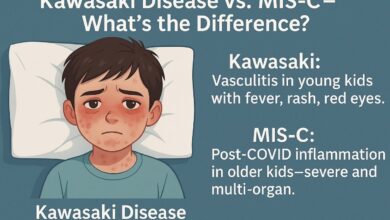
Kawasaki Disease vs MIS-C: Two Inflammatory Syndromes in Children Compared
Kawasaki disease and MIS-C both cause serious inflammation throughout a child’s body. Despite sharing similar symptoms, these conditions have different origins entirely. Understanding their differences helps parents recognize warning signs…
Read More » -
Editor's Choice
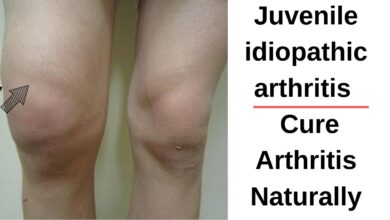
Juvenile Idiopathic Arthritis (JIA): When Joint Inflammation Strikes Children
Juvenile idiopathic arthritis, often called JIA, causes joint inflammation in children. It typically appears before age sixteen. Unlike adult arthritis, JIA stems from a developing immune system attacking healthy joint…
Read More » -
Editor's Choice
Postpartum Thyroiditis: The Thyroid Fluctuation After Delivery Most Doctors Miss
Postpartum thyroiditis causes thyroid inflammation after delivery. This inflammation leads to unpredictable swings in thyroid hormone levels. Many new mothers experience this without ever realizing what’s happening. This condition often…
Read More » -
Editor's Choice
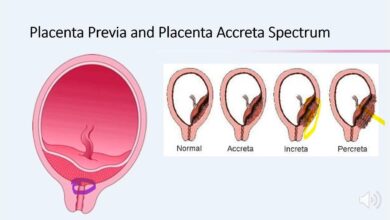
Placenta Previa and Placenta Accreta: High-Risk Pregnancy Conditions Explained
Placenta previa and placenta accreta are two distinct but serious pregnancy complications. Both involve the placenta, the organ nourishing your baby during pregnancy. Each condition requires careful monitoring and specialized…
Read More » -
Editor's Choice
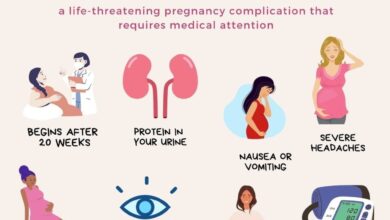
Preeclampsia: The Pregnancy Complication That Can Become Life-Threatening
Preeclampsia is a serious pregnancy complication involving high blood pressure. It typically develops after twenty weeks of pregnancy. Left untreated, it can quickly become dangerous for both mother and baby.…
Read More » -
Editor's Choice
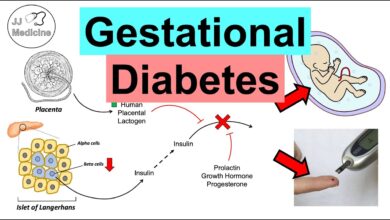
Gestational Diabetes: Short-Term Management and Long-Term Type 2 Risk
Gestational diabetes develops when blood sugar levels rise during pregnancy. It typically appears around the twenty-fourth week of pregnancy. Hormonal changes during pregnancy make it harder for your body to…
Read More » -
Editor's Choice
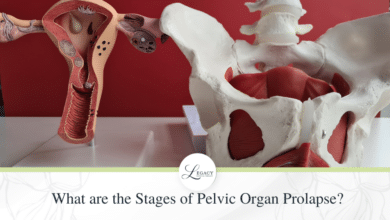
Pelvic Organ Prolapse: Why It Happens and the Non-Surgical Options Available
Pelvic organ prolapse happens when pelvic floor muscles weaken and lose support. As a result, organs like the bladder, uterus, or rectum can shift downward. This shift sometimes causes them…
Read More » -
Editor's Choice
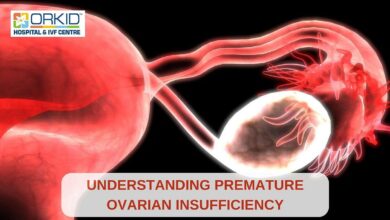
Premature Ovarian Insufficiency (POI): Early Menopause Before 40 Explained
Premature ovarian insufficiency, often called POI, happens when ovaries stop working normally before age forty. Unlike natural menopause, this condition arrives much earlier than expected. Many women feel caught off…
Read More » -
Editor's Choice
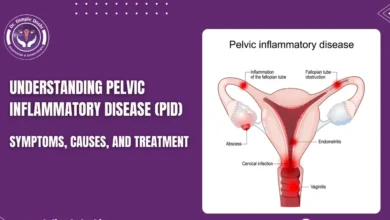
Pelvic Inflammatory Disease (PID): Long-Term Consequences of an Undertreated STI
Pelvic inflammatory disease, often called PID, is an infection of the female reproductive organs. It typically affects the uterus, fallopian tubes, and ovaries. Most cases develop when bacteria travel upward…
Read More » -
Editor's Choice
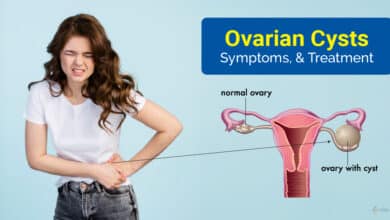
Ovarian Cysts: Which Ones Resolve on Their Own and Which Don’t
Ovarian cysts are fluid-filled sacs that develop on or inside an ovary. Most women develop at least one cyst at some point in their lives. Fortunately, the majority cause no…
Read More » -
Editor's Choice
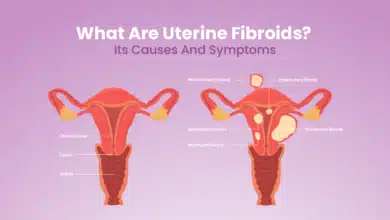
Uterine Fibroids: Symptoms, Sizes, and When You Really Need Treatment
Uterine fibroids are noncancerous growths that develop in or around the uterus. They form from muscle and fibrous tissue. Many women develop fibroids at some point during their reproductive years.…
Read More »