

India’s Upcoming Introduction of Plastic Currency: Reasons Behind the Shift and the Future of Paper Money

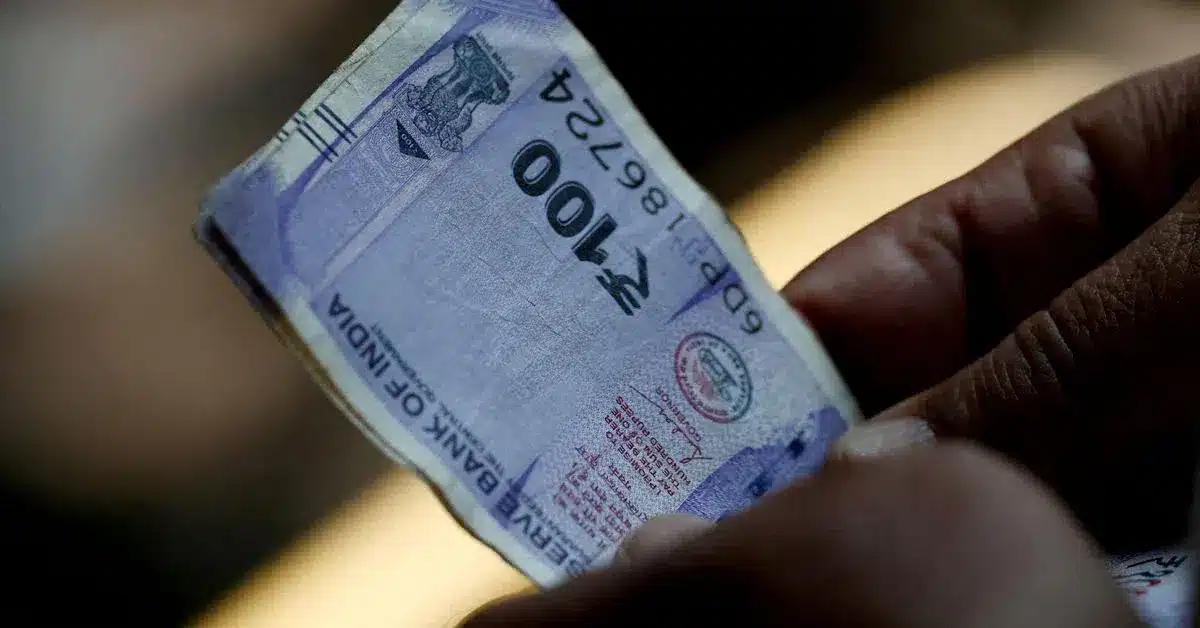
The Reserve Bank of India (RBI) has received government approval to print an initial batch of 2 billion polymer banknotes for field trials. This decision, announced in Parliament, includes one billion Rs 10 notes and one billion Rs 20 notes, which are often in short supply. The RBI has also floated a tender to procure materials for these polymer notes, reviving a proposal that has been under consideration for nearly two decades.
Minister of State for Finance Pankaj Chaudhary clarified that there are no plans to replace paper currency entirely with polymer notes. Both types of currency will continue to circulate together. If implemented, this initiative would mark the first use of polymer banknotes in India, where currency has traditionally been printed on specialized paper for almost a century.
RBI’s Plastic Notes: All You Need to Know
Polymer notes are made from durable plastic film, offering a longer lifespan and requiring less frequent replacement due to their resistance to wear and tear. The new polymer banknotes will undergo field trials before being introduced into regular circulation. This plan coincides with an expansion of the country’s currency printing infrastructure, which has faced capacity limitations.
According to Chaudhary, international studies indicate that polymer banknotes have a significantly higher lifespan than paper notes. The rollout of these notes may take several months as both the government and the RBI aim to meet security standards and ensure that materials used do not originate from suppliers in China or Pakistan. The RBI has also encouraged the use of Rs 10 and Rs 20 coins, which together accounted for nearly one-fourth of the total number of banknotes in circulation at the end of the last financial year.
Which Countries Use Plastic Notes?
India’s move to assess polymer currency comes nearly three decades after Australia introduced a full series of plastic banknotes. Currently, around 60 countries use polymer notes in some form. The recent decision revives a proposal first announced in 2012, which included plans for a pilot introduction of Rs 10 polymer notes in five cities.
Countries like Australia, the United Kingdom, and Canada have successfully transitioned to polymer banknotes, which last longer and reduce replacement costs compared to paper notes. Australia was the first to adopt polymer currency in 1988, followed by several advanced economies and Asian nations, including Thailand and Singapore.
RBI’s Strict Tender Guidelines
Bharatiya Reserve Bank Note Mudran Pvt Ltd (BRBNMPL) has issued a tender for eligible manufacturers to submit bids by August 18. The tender seeks suppliers capable of producing opacified polymer substrate sheets that incorporate necessary security features for banknotes.
The tender includes stringent national security requirements. Suppliers must obtain government security clearance, ensure that operations related to the India contract are isolated from any work in China or Pakistan, and guarantee that raw materials do not originate from those countries. Additionally, bidders must have experience supplying polymer banknote substrates with embedded security features to central banks for at least three years. BRBNMPL has indicated an initial demand of 68,000 reams, with larger orders anticipated after successful field trials.
Observer Voice is the one stop site for National, International news, Sports, Editor’s Choice, Art/culture contents, Quotes and much more. We also cover historical contents. Historical contents includes World History, Indian History, and what happened today. The website also covers Entertainment across the India and World.

