

India’s Urban Heat Action Plans Aim to Combat Rising Temperatures

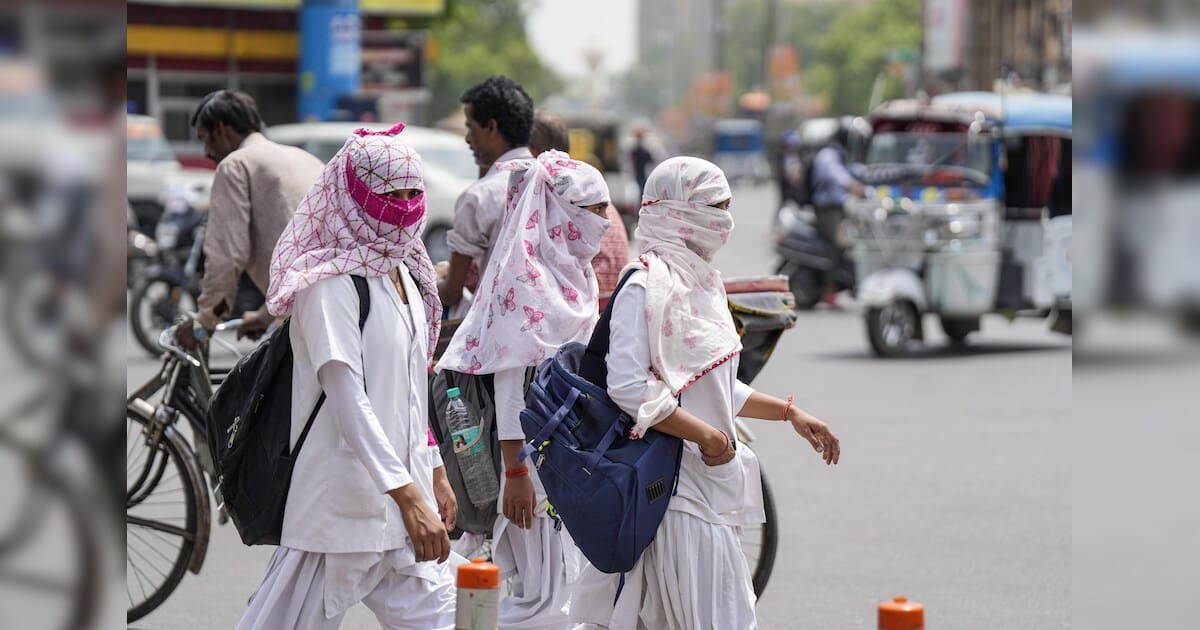
The Indian government is taking significant strides to tackle urban heat challenges as climate change intensifies. According to the 12th Schedule of the Constitution of India, urban planning is primarily the responsibility of State Governments and Urban Local Bodies (ULBs). The central government supports these efforts through various initiatives, including guidelines, financial aid, and technical assistance aimed at enhancing the urban planning framework.
In 2019, the National Disaster Management Authority (NDMA) introduced ‘National Guidelines for Preparation of Action Plan-Prevention and Management of Heat Wave.’ These guidelines encourage cities to conduct vulnerability assessments to understand the factors contributing to the urban heat island effect and to include effective mitigation strategies in their Heat Action Plans (HAPs). So far, HAPs have been developed in 23 states, covering 195 districts and 64 cities.
Building on this, the NDMA has released an advisory titled “Protecting Informal Workers during Heatwaves in Indian Cities.” This advisory emphasizes the importance of health and safety with a specific focus on gender-responsive measures. States and Union Territories are advised to ensure the inclusion of street vendors and outdoor workers in their Heat Action Plans by introducing shaded vending zones, hydration points, cooling centers, flexible work schedules, and timely heat alerts.
In Delhi, a climate vulnerability assessment conducted as part of the revised Delhi State Action Plan on Climate Change (SAPCC 2.0) reveals troubling trends. Analyzing data from 1991 to 2020, the study identified rising temperatures and increasing heat waves as critical vulnerabilities for the region. Projections indicate that summer maximum temperatures could rise by around 1.5°C to 2.1°C by mid-century, particularly affecting South Delhi, identified as the most vulnerable district.
To strengthen climate resilience, the Delhi SAPCC includes various strategies aimed at mitigating Urban Heat Island effects. Proposed measures include the installation of cool roofs, the development of cooling corridors, and the expansion of green infrastructure. There is also a focus on effective urban planning that integrates UHI management into infrastructure development.
The Ministry of Environment, Forests and Climate Change (MoEFCC) has introduced the India Cooling Action Plan (ICAP), designed to foster sustainable cooling across different sectors. This plan aims to reduce cooling demand and enhance energy efficiency, contributing to greater climate resilience.
Guidelines for Green Urban Development
The Ministry of Housing and Urban Affairs (MoHUA) has issued multiple advisories promoting compact, green urban development geared towards climate-responsive planning. Guidelines released in 2014 outline strategies for creating environmentally friendly cities, emphasizing green infrastructure and urban cooling methods.
Schematic Interventions for Heat Mitigation
Significant urban heat mitigation efforts have been implemented through initiatives like AMRUT. A total of 4,171 park projects, covering 18,168 acres, have received approval, with many parks already developed. Additionally, substantial progress has been made in water body revitalization and green mobility projects, with over 99 lakh LED streetlights installed to cut energy costs while reducing carbon emissions.
As part of the upward trajectory toward enhancing urban resilience, a pilot program named “Building Heat Resilient Cities” is currently underway in 12 cities, including Bengaluru, Bhopal, and Visakhapatnam. This program aims to scientifically assess urban heat mitigation strategies tailored to each city’s unique needs.
Finally, states have been incentivized through the ‘Scheme for Special Assistance to States for Capital Investment’ to integrate climate sustainability into urban planning. This includes promoting the conservation of water bodies and enhancing green and blue infrastructure to effectively combat the impacts of urban heat stress.
This comprehensive approach, as articulated by the Minister of Housing and Urban Affairs Shri Manohar Lal, emphasizes the government’s commitment to building a resilient urban future in India.
Observer Voice is the one stop site for National, International news, Sports, Editor’s Choice, Art/culture contents, Quotes and much more. We also cover historical contents. Historical contents includes World History, Indian History, and what happened today. The website also covers Entertainment across the India and World.

