

China Strengthens Regulations on Foreign Investments in Response to AI and Chip Technology Competition with the US

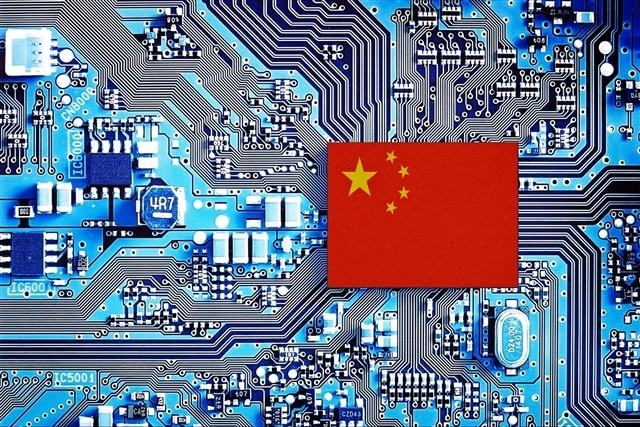
China has implemented new regulations to enhance scrutiny of overseas investments, effective Wednesday. These rules, announced by the State Council on June 1, aim to provide a legal framework for reviewing capital, technology, and personnel movements across borders. This initiative comes amid escalating technological competition with the United States, particularly in sectors like artificial intelligence, semiconductors, and green technology.
Wider powers to review overseas deals
The new framework grants Chinese authorities the ability to conduct national security reviews of overseas investments that may impact the country’s strategic interests. The regulations broaden existing restrictions on cross-border transfers, now encompassing services such as sending technical experts abroad and conducting overseas training programs. This move is part of Beijing’s strategy to safeguard its technological capabilities amid intensifying competition with Washington.
China has identified key sectors, including AI, advanced chips, and clean energy, as vital for its economic and strategic development. However, analysts caution that these regulations could hinder the global expansion of Chinese technology companies and limit foreign partners’ access to Chinese capital and expertise.
Concerns over technology transfers
The new rules are anticipated to significantly affect technology-related investments and collaborations. Christopher Beddor, deputy China research director at Gavekal Dragonomics, noted that the regulations primarily target Chinese companies and investors. He stated that overseas operations can no longer serve as a means to transfer sensitive Chinese-origin technologies without Beijing’s oversight.
The regulations prohibit Chinese entities from transferring restricted technologies through methods such as technical training, cross-border staffing, or remote technical assistance. This could complicate joint ventures, technology licensing agreements, and cross-border research and development projects, which may now require additional approvals under export-control and data compliance rules.
Impact on global investors and partners
These tightening measures coincide with China’s broader efforts to protect domestic industries from foreign restrictions, including sanctions and technology controls imposed by Western nations. Earlier this year, China blocked Meta’s attempt to acquire AI startup Manus, citing concerns over strategic technology transfer. The US-China Economic and Security Review Commission has expressed concerns about the broad discretion given to Chinese enforcement agencies, which could pose risks for foreign firms.
Europe could face challenges
Analysts warn that the new regulations may complicate cooperation between China and other countries in emerging technologies. Alicia Garcia-Herrero, Asia-Pacific chief economist at Natixis, indicated that these restrictions could hinder other nations from leveraging Chinese AI expertise. She emphasized that Europe must establish strategic partnerships with countries like South Korea and Japan to avoid over-reliance on China.
China’s outbound direct investment reached 429.42 billion yuan ($63.4 billion) in the first four months of 2026, marking a 3.9 percent year-on-year increase. While analysts expect heightened compliance requirements for Chinese companies operating abroad, some experts believe that Beijing will refrain from implementing measures that could deter foreign investment in China. James Zimmerman, chairman of the American Chamber of Commerce in China, stated that companies are closely monitoring the rules’ implementation.
Observer Voice is the one stop site for National, International news, Sports, Editor’s Choice, Art/culture contents, Quotes and much more. We also cover historical contents. Historical contents includes World History, Indian History, and what happened today. The website also covers Entertainment across the India and World.

