

PM Surya Ghar Initiative Hits 40 Lakh Solar Households in 2 Years

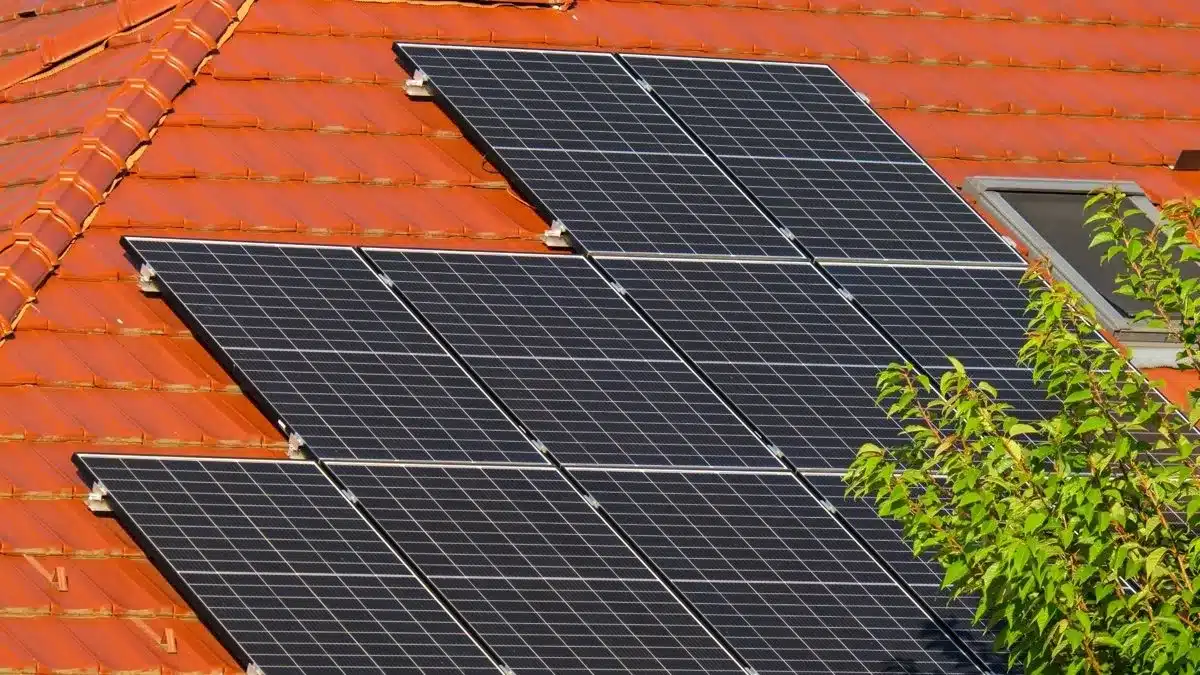
In a significant milestone for India’s renewable energy drive, the PM Surya Ghar Muft Bijli Yojana has successfully reached 40 lakh beneficiary households within just two years of its launch. Union Minister for New and Renewable Energy and Consumer Affairs, Food and Public Distribution, Shri Pralhad Joshi, expressed optimism that this number will surpass 75 lakh households by December 2026 during a recent event celebrating the scheme’s achievements.
Accelerating Solar Adoption
Shri Joshi emphasized the importance of the Utility-Linked Aggregation (ULA) model, which aims to hasten the rollout of rooftop solar power, especially among underserved families. The initiative has plans for approximately 30 lakh solar installations across various states, with local utility companies playing a crucial role in facilitating this expansion. He noted the scheme primarily benefits households consuming between 1 kW and 3 kW of electricity, ensuring they gain wider access to affordable and clean energy. With an impressive 65 lakh applications awaiting processing, the public response has contributed to an extraordinary momentum in rooftop solar adoption nationwide.
Impressive Growth Statistics
The Union Minister highlighted the rapid acceleration of solar energy growth in India; achieving the first 50 GW capacity took 96 months, while the subsequent 50 GW was reached in just 36 months. The period from 100 GW to 150 GW saw growth in just 14 months. Notably, May 2026 marked a record-breaking month for the PM Suryaghar Muft Bijli Yojana, with over 3.16 lakh installations occurring in one month alone.
Transforming Energy Security
Shri Joshi mentioned that the time needed to add one lakh households has dramatically decreased from 118 days to less than eight days. The initiative has distributed over ₹22,750 crore in subsidies, including ₹2,743 crore during May 2026 alone. He asserted that PM Suryaghar Muft Bijli Yojana is poised to create one of the world’s largest markets for residential solar energy while furthering India’s transition to clean energy and self-reliance.
Future Vision and Innovations
Looking toward the future, the minister is hopeful that by 2047, every household in India will utilize rooftop solar energy, transforming the scheme into a people’s movement. Plans for introducing Battery Energy Storage Systems are also in place, in line with decreasing storage costs. The initiative has proven to be vital for strengthening India’s energy security amid global energy uncertainties, with actual rooftop installations surging from approximately 7,000 per month before the scheme’s introduction to over 300,000 currently.
Acknowledging Achievements
During the event, Shri Joshi unveiled the PM Surya Ghar logo and a WhatsApp bot, honoring top-performing states, DISCOMs, and other stakeholders through the PM Surya Ghar Awards. He also presented two reports by the Council on Energy, Environment, and Water, which emphasize the significance of maintaining rooftop solar installations and the potential for creating over 3.3 lakh jobs annually as the sector develops.
The program featured high-level sessions discussing the trajectory of rooftop solar energy in India, focusing on policy and strategies for enhancing the implementation journey to one crore households.
Observer Voice is the one stop site for National, International news, Sports, Editor’s Choice, Art/culture contents, Quotes and much more. We also cover historical contents. Historical contents includes World History, Indian History, and what happened today. The website also covers Entertainment across the India and World.

