

India’s Nuclear Energy Program: Stage 2 Criticality at Kalpakkam Paves the Way for Enhanced Energy Security

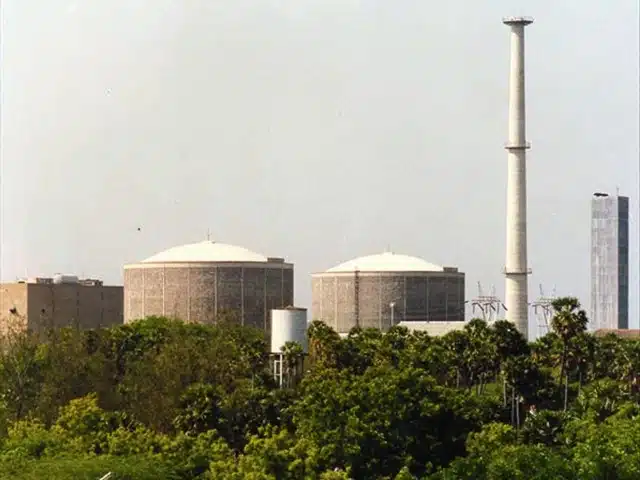
India’s nuclear energy ambitions have reached a significant milestone with the successful criticality of the Prototype Fast Breeder Reactor (PFBR) in Kalpakkam, Tamil Nadu, on April 6. This achievement marks India’s formal entry into Stage 2 of its three-stage nuclear program, making it the second country after Russia to operate a commercial fast breeder reactor. As India continues to expand its energy capacity, which has now reached 520.51 GW, the role of nuclear energy is becoming increasingly vital for the nation’s energy self-reliance and security.
India’s Nuclear Energy Program: Current Status and Future Plans
Nuclear energy plays a strategic role in India’s electricity generation, currently contributing 3.1% to the total output with a capacity of 8.78 GW. This is modest compared to the overall installed capacity of 520.51 GW, where coal and renewable sources dominate. However, India has ambitious plans to expand its nuclear capacity to 22.38 GW by 2031-32, supported by an implementation pipeline of 18 reactors totaling 13.6 GW. The Nuclear Energy Mission aims for a target of 100 GW by 2047, positioning nuclear power as a key element in India’s long-term energy transition. As the demand for electricity rises, with a peak of 242.49 GW recorded in FY 2025-26, nuclear energy is expected to play a critical role in meeting future energy needs.
Significance of Stage 2 and Pathway to Stage 3
India’s three-stage nuclear program, conceptualized by Homi Jehangir Bhabha in 1954, is designed to optimize resources. Stage 1 focuses on generating plutonium from uranium, while Stage 2, now operational, utilizes that plutonium in Fast Breeder Reactors to produce more fuel than it consumes. The PFBR converts Uranium-238 into Plutonium-239, thereby increasing the availability of fissile material. This stage is crucial as it lays the groundwork for Stage 3, where Thorium-232 will be converted into Uranium-233 for large-scale thorium-based power generation. India’s unique approach, which emphasizes domestic resource utilization and closed fuel cycles, differentiates its nuclear journey from that of other countries that rely heavily on imported uranium.
Nuclear Energy’s Role in India’s Evolving Energy Landscape
India’s energy mix is undergoing a significant transformation, with coal still dominating but renewable energy sources rapidly gaining ground. In FY 2024-25, coal supply rose to 552,315 Ktoe, while renewable capacity surged to 229,346 MW, growing at a compound annual growth rate of over 10%. On peak days, renewables have met over 51.5% of electricity demand, indicating a structural shift in energy supply. Amidst this transition, nuclear power provides stable, round-the-clock baseload energy, essential for complementing intermittent renewable sources like solar and wind. As energy demand continues to rise, nuclear energy’s reliability becomes increasingly important for supporting industrial growth and urban infrastructure.
Investment and Policy Framework for Nuclear Expansion
India’s power sector is poised for a massive investment phase, with over ₹50 lakh crore projected for opportunities across generation, transmission, and storage by 2032. The Nuclear Energy Mission has allocated ₹20,000 crore for small modular reactors (SMRs), but achieving the broader goal of 100 GW will require sustained capital investment. The SHANTI Act, 2025, plays a pivotal role in facilitating this expansion by modernizing India’s nuclear legal framework and allowing limited private sector participation. This legislation enhances regulatory oversight and creates a more predictable environment for scaling nuclear capacity while maintaining safety and strategic control. As India seeks to enhance its energy security and transition to cleaner energy sources, the integration of nuclear power into its energy strategy is becoming increasingly critical.
Observer Voice is the one stop site for National, International news, Sports, Editor’s Choice, Art/culture contents, Quotes and much more. We also cover historical contents. Historical contents includes World History, Indian History, and what happened today. The website also covers Entertainment across the India and World.
Follow Us on Twitter, Instagram, Facebook, & LinkedIn

