

Why Construction Concrete Remains Essential to London’s Growing Skyline

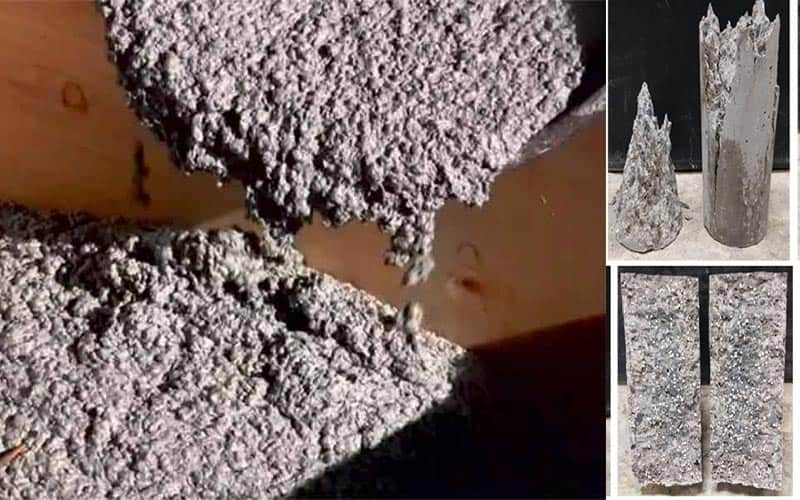
London has never stopped building. From new housing estates in Outer London to commercial towers reshaping the skyline in the east, concrete is the material holding it all together. Despite the rise of new materials such as mass timber and recycled steel, concrete continues to be the foundation of choice across most large-scale projects in the capital. But why does it remain so dominant, and what is changing about the way it is used?
A material built for pressure
Concrete is one of the oldest building materials in the world. The Romans used a version of it to construct the Pantheon in Rome, which still stands today more than 1,900 years later. Modern concrete is stronger, more precise, and more adaptable than anything available in the ancient world. It can be mixed to different strengths depending on the job, poured into almost any shape, and set in a matter of hours.
In a city like London, where building plots are small, access is often difficult, and timelines are tight, these qualities make concrete hard to replace. A single material that can serve as a floor, a wall, a foundation, and a structural support offers obvious advantages over systems that need multiple separate components.
Grade matters more than most people think
Not all concrete is the same. Builders and engineers choose from a wide range of grades, each suited to different jobs. A basic C10 mix is fine for blinding layers and light garden work. C25 is commonly used for domestic foundations. C35 and C40 are chosen for heavier commercial and structural applications where loads are high and long-term strength matters.
Getting the grade wrong can be expensive. Concrete that is too weak may crack under load. Concrete that is stronger than needed costs more without adding value. For this reason, most professional projects in London involve a concrete supplier who can advise on the right mix for each application rather than simply delivering whatever is ordered. Suppliers offering construction concrete London services typically guide customers through the specification process before any pour takes place.
Volumetric mixing changes how concrete is supplied
One of the biggest shifts in the concrete supply industry in recent years has been the growth of volumetric mixing. Rather than batching concrete at a central plant and driving it to site in a drum mixer, a volumetric lorry carries the raw materials separately and mixes them on arrival. This means the concrete is always fresh, the mix can be adjusted on site, and customers only pay for the exact amount used.
For London projects in particular, volumetric mixing solves a common problem. Traffic delays are unavoidable in the capital, and drum-mixed concrete has a limited window before it begins to set. A load stuck in traffic for too long can arrive unusable. With volumetric lorries, that risk is largely removed.
Access is one of the biggest challenges on London sites
Many London construction projects take place in streets or back gardens where large lorries simply cannot go. This creates a real logistical challenge for concrete delivery. Solutions vary depending on the site. Smaller mini mix lorries, roughly the same size as a skip lorry, can reach spaces that a standard eight-metre vehicle cannot. For sites with even tighter restrictions, concrete pumps can carry the material over walls, through narrow gaps, or up to higher floors without the lorry needing to be anywhere near the pour point.
Line pumps run pipes along the ground and can cover more than 100 metres. Boom pumps use a crane arm to reach over obstacles. Both options have become standard tools for suppliers offering construction concrete London services, particularly on city sites where access is limited and working space is tight.
Sustainability pressure is reshaping the sector
Concrete production is a significant source of carbon emissions globally, mostly due to the energy required to produce cement. The construction industry in the UK is under growing pressure to reduce its carbon footprint, and concrete suppliers are responding. Low-carbon mixes that replace a proportion of cement with materials such as ground granulated blast-furnace slag or pulverised fuel ash are now widely available. These alternatives can match the strength of standard mixes while cutting emissions meaningfully.
London’s planning authorities have begun to require carbon assessments on larger projects, which is pushing developers and contractors to look more carefully at their material choices. Concrete is unlikely to disappear from the capital’s building sites any time soon, but the version used in 2030 may look quite different from what is being poured today.
Observer Voice is the one stop site for National, International news, Sports, Editor’s Choice, Art/culture contents, Quotes and much more. We also cover historical contents. Historical contents includes World History, Indian History, and what happened today. The website also covers Entertainment across the India and World.

