

Understanding LEV Systems and Their Role in Modern Industry

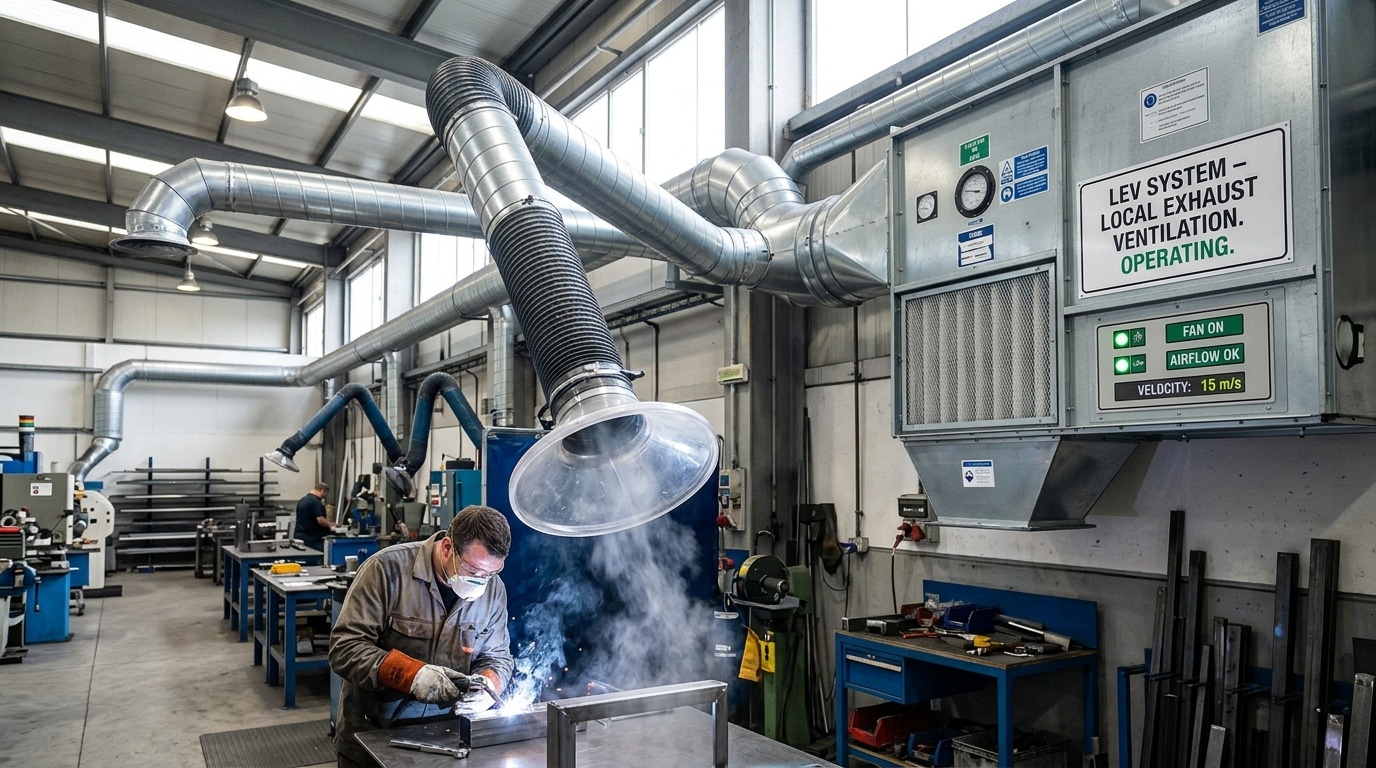
Walk into any modern industrial setting, and you will see advanced machinery, streamlined workflows, and carefully designed processes. What you are less likely to notice is one of the most important systems working quietly in the background: local exhaust ventilation, commonly known as LEV.
These systems are not just a regulatory requirement. They are a core part of how businesses protect their people, maintain operational standards, and create environments where work can be carried out safely and efficiently.
What Is an LEV System?
At its simplest, an LEV system is designed to capture and remove airborne contaminants at the point they are created.
Rather than allowing dust, fumes, vapours, or gases to disperse into the wider workspace, LEV systems extract them directly from the source. This prevents harmful substances from entering the breathing zone of workers and spreading throughout the building.
A typical LEV system includes:
- A hood or capture device positioned close to the source
- Ducting that transports contaminated air
- A filter or air cleaning system
- A fan that drives airflow
- A safe discharge point
Each component plays a specific role, but it is the system as a whole that ensures effective control of airborne hazards.
Why LEV Systems Matter More Than Ever
Modern industries are evolving. Processes are faster, materials are more complex, and production environments are more demanding. With this comes an increased risk of exposure to airborne contaminants.
LEV systems are essential because they:
- Protect workers from hazardous substances
- Help businesses meet health and safety regulations
- Improve overall air quality within facilities
In sectors such as manufacturing, pharmaceuticals, construction, and engineering, LEV is not optional. It is a fundamental part of safe operations.
The Shift from Compliance to Performance
Historically, many businesses viewed LEV systems purely as a compliance measure. Install the system, pass inspections, and move on. That mindset is changing.
Forward-thinking organisations now recognise that effective ventilation contributes to:
- Higher productivity
- Reduced absenteeism
- Better employee wellbeing
Clean air is not just about avoiding harm. It actively supports better performance across teams.
Why Design Is Critical to Effectiveness
Not all LEV systems are created equal. Poorly designed systems can fail to capture contaminants effectively, even if they are technically installed and operational.
The success of an LEV system depends heavily on how well it is tailored to the specific environment and process.
Factors that influence performance include:
- The type of contaminant being generated
- The position and design of the capture hood
- Airflow rates and system balance
- The layout of the workspace
This is why professional LEV design is so important. A properly designed system ensures contaminants are captured efficiently at source, rather than escaping into the wider environment.
The Cost of Getting It Wrong
When LEV systems are ineffective, the consequences extend beyond compliance.
Businesses may face:
- Increased health risks for employees
- Reduced system efficiency and higher energy use
- Equipment contamination and maintenance issues
- Potential legal and regulatory penalties
In many cases, problems are not immediately visible. Systems may appear to be working while quietly underperforming, allowing risks to build over time.
Supporting a Safer, Smarter Workplace
LEV systems play a key role in shaping the modern workplace. As businesses place greater emphasis on wellbeing, sustainability, and operational excellence, air quality becomes a central concern.
Effective LEV contributes to:
- Safer working conditions
- Cleaner, more comfortable environments
- Greater confidence among employees and stakeholders
It also supports broader goals around environmental responsibility by controlling emissions and reducing the spread of pollutants.
Bringing It All Together
LEV systems may not be the most visible part of an industrial environment, but they are among the most important.
They protect people, support compliance, and enhance performance all at once. When designed and implemented correctly, they create safer, more efficient workplaces that benefit both employees and the business as a whole.
Understanding their role is not just about meeting requirements. It is about recognising the value of clean, controlled air as a foundation for modern industry.
Observer Voice is the one stop site for National, International news, Sports, Editor’s Choice, Art/culture contents, Quotes and much more. We also cover historical contents. Historical contents includes World History, Indian History, and what happened today. The website also covers Entertainment across the India and World.

