

Asian Countries Turn to Russian Oil Amid Middle East Conflict, Utilizing US Waivers

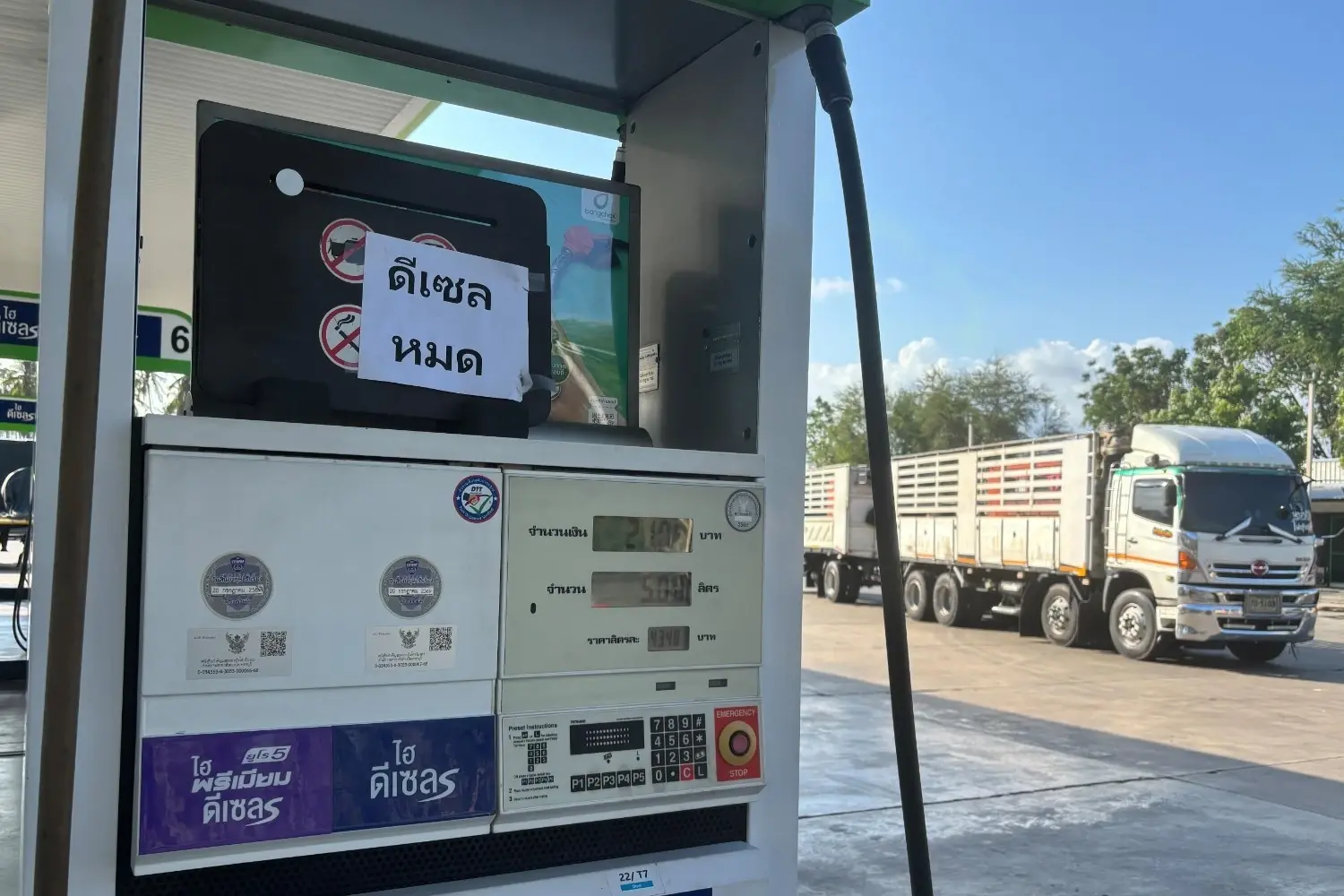
With the ongoing conflict in Iran leading to the near-closure of the Strait of Hormuz, several Asian nations are increasingly turning to Russian oil to meet their energy needs. As global oil supplies face significant disruptions, countries like the Philippines and South Korea have recently received shipments of Russian crude. This shift comes as energy-starved nations leverage U.S. sanction waivers to secure alternative oil sources, highlighting a growing reliance on Russian exports amid escalating geopolitical tensions.
Why Are Countries Looking Towards Alternatives?
The conflict in the Middle East has triggered a severe energy crisis, particularly affecting nations that depend heavily on oil imports. The Strait of Hormuz, a critical transit route for oil, is currently facing near-total closure, prompting refiners in the region to seek alternative sources. For instance, India, which relies on imports for approximately 88% of its oil needs, consumes around 5.8 million barrels per day. Traditionally, 2.5 to 2.7 million barrels of this oil have come from the Middle East. The strait is vital for India, handling about 55% of its liquefied petroleum gas (LPG) imports and 30% of its liquefied natural gas (LNG) used for power generation and fertilizers.
Analyst Sumit Ritolia from Kpler noted that incremental Russian crude imports could reach between 1 to 1.2 million barrels per day in March, which would help narrow the shortfall caused by the disruptions in the Strait of Hormuz. While refineries are optimizing domestic LPG production, even a 10-20% increase would only cover about half of the total demand, underscoring the critical need for imports.
Middle East Supply Risks for Asia
Asia’s heavy reliance on Middle Eastern energy sources exposes it to significant supply risks. Countries such as China, Japan, and South Korea are particularly vulnerable to disruptions in oil supply. China imports nearly half of its crude from the Middle East and maintains strategic reserves estimated at 900 million barrels. Japan, on the other hand, sources about 95% of its crude from the region, with emergency reserves sufficient for 254 days of consumption. South Korea also depends on the Middle East for 70% of its crude and 20% of its LNG, with reserves that can last for 208 days.
This dependence on Middle Eastern energy makes these nations acutely aware of the potential for supply disruptions. As tensions in the region escalate, the need for alternative sources of energy becomes increasingly urgent, prompting a reevaluation of energy strategies across Asia.
India’s Growing Reliance on Russian Crude
India’s imports of Russian crude have surged significantly, with purchases increasing by approximately 50% in March alone, rising to 1.5 million barrels per day from 1.04 million barrels per day in February. Major refiners, including Indian Oil Corporation and Reliance Industries, have capitalized on U.S. waivers to acquire nearly all available cargoes on the spot market. While India continues to source substantial volumes from the Middle East, Russian oil has become an increasingly important component of its energy mix.
The shift towards Russian crude is seen as a necessary response to the current supply challenges. June Goh, an analyst at Sparta Commodities, emphasized that refineries with limited flexibility are likely to seek out Russian oil as a straightforward substitute for Middle Eastern supplies. The ongoing conflict in Iran has inadvertently benefited Russia, as higher crude prices and U.S. waivers have boosted demand for its exports. The Strait of Hormuz remains a crucial maritime corridor, accounting for about 20% of the world’s oil trade, and any disruptions could have far-reaching implications for energy availability and shipping flows in Asia.
Observer Voice is the one stop site for National, International news, Sports, Editor’s Choice, Art/culture contents, Quotes and much more. We also cover historical contents. Historical contents includes World History, Indian History, and what happened today. The website also covers Entertainment across the India and World.

