

India Seeks US LPG Supplies Amid Ongoing Disruptions in the Strait of Hormuz

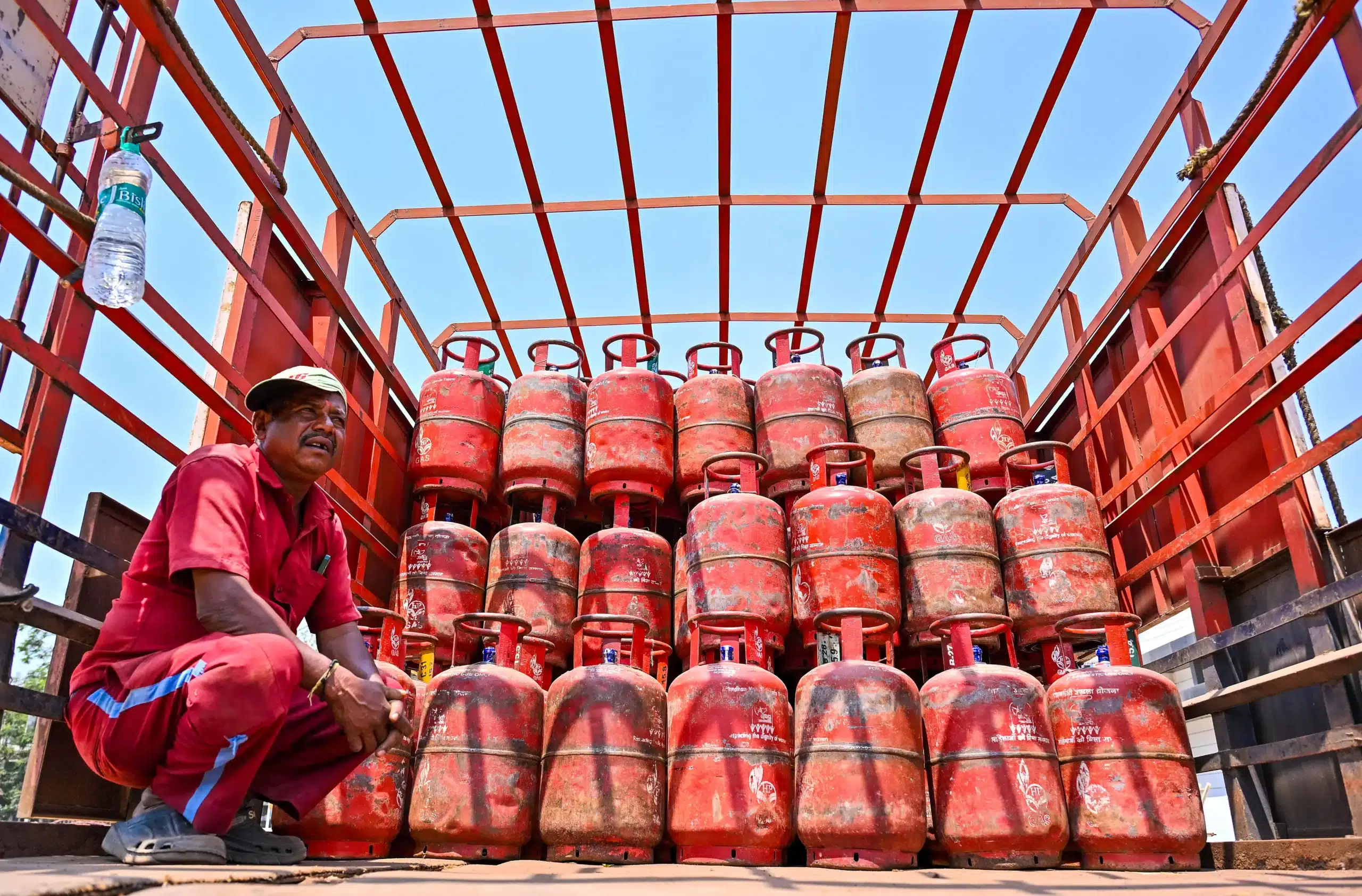
India is actively seeking to diversify its liquefied petroleum gas (LPG) imports amid an ongoing supply crisis exacerbated by the conflict in the Middle East. Traditionally reliant on the Gulf region for approximately 60% of its LPG needs, the Indian government is now looking towards the United States to secure alternative sources. This strategic shift comes as disruptions in the Strait of Hormuz threaten the stability of LPG supplies, prompting India to enhance its refinery output and engage in diplomatic efforts to ensure a steady flow of this essential cooking fuel for households and critical services.
India Turns to the US for LPG Supplies
The global LPG market is currently facing significant challenges, with a shortage of cargoes due to the ongoing geopolitical tensions in the Middle East. The Strait of Hormuz, a vital passage that accounts for nearly 30% of global LPG supply, has been affected, leading to tighter availability and a reduction in spot cargoes. Analysts from S&P Global Energy have observed that India is increasingly sourcing LPG from the US as it navigates these turbulent trade flows. Anmol Bhushan, an associate director at S&P Global Energy CERA, highlighted that if the conflict in the Middle East persists, North American LPG could become a more prominent part of India’s import landscape. Recent trade patterns indicate a rise in US LPG volumes entering India, suggesting a significant shift in sourcing strategies.
Securing Passage Through the Strait of Hormuz
With the Gulf region supplying nearly 60% of its LPG, India is taking urgent measures to secure alternative supplies. The government is also promoting the use of substitutes like kerosene and coal in non-essential sectors to alleviate pressure on limited LPG availability. Charles Kim, an associate director for LPG at S&P Global Commodities at Sea, noted that ongoing diplomatic discussions between Iran and India have facilitated the safe passage of Indian-flagged LPG carriers through the Strait of Hormuz. This cooperation is crucial for maintaining vital supply routes and could provide some relief to the broader market. Recently, two state-owned LPG carriers successfully navigated this critical route, which is responsible for approximately 90% of India’s LPG imports from the Middle East.
LPG Flows from the Middle East and US
Recent data reveals a notable shift in India’s LPG import dynamics. Two state-owned vessels, the VLGCs Shivalik and Nanda Devi, recently delivered over 92,000 metric tons of LPG to India. Meanwhile, shipments of US-origin LPG have surged, surpassing those from traditional Gulf suppliers. According to CAS data, India’s weekly LPG imports fell to 265,000 metric tons in mid-March, a decrease from 322,000 metric tons earlier in the month. Supplies from the Middle East have significantly declined, accounting for only 34% of total imports, the lowest share since January. In contrast, alternative regional supplies have risen sharply, indicating a shift in sourcing strategies. Indian oil marketing companies have secured a long-term contract for 2.2 million metric tons of US LPG for 2026, which will enhance the country’s import capacity. Additionally, Reliance Industries is operating at full capacity at its Jamnagar facility to boost domestic LPG output, which currently meets about 41% of India’s requirements. The government has also implemented measures to ensure equitable distribution and curb hoarding and black marketing of LPG.
Observer Voice is the one stop site for National, International news, Sports, Editor’s Choice, Art/culture contents, Quotes and much more. We also cover historical contents. Historical contents includes World History, Indian History, and what happened today. The website also covers Entertainment across the India and World.

