

Impact of Iran’s Strikes on Qatar’s Ras Laffan LNG Hub and Middle East Oil and Gas Infrastructure on India

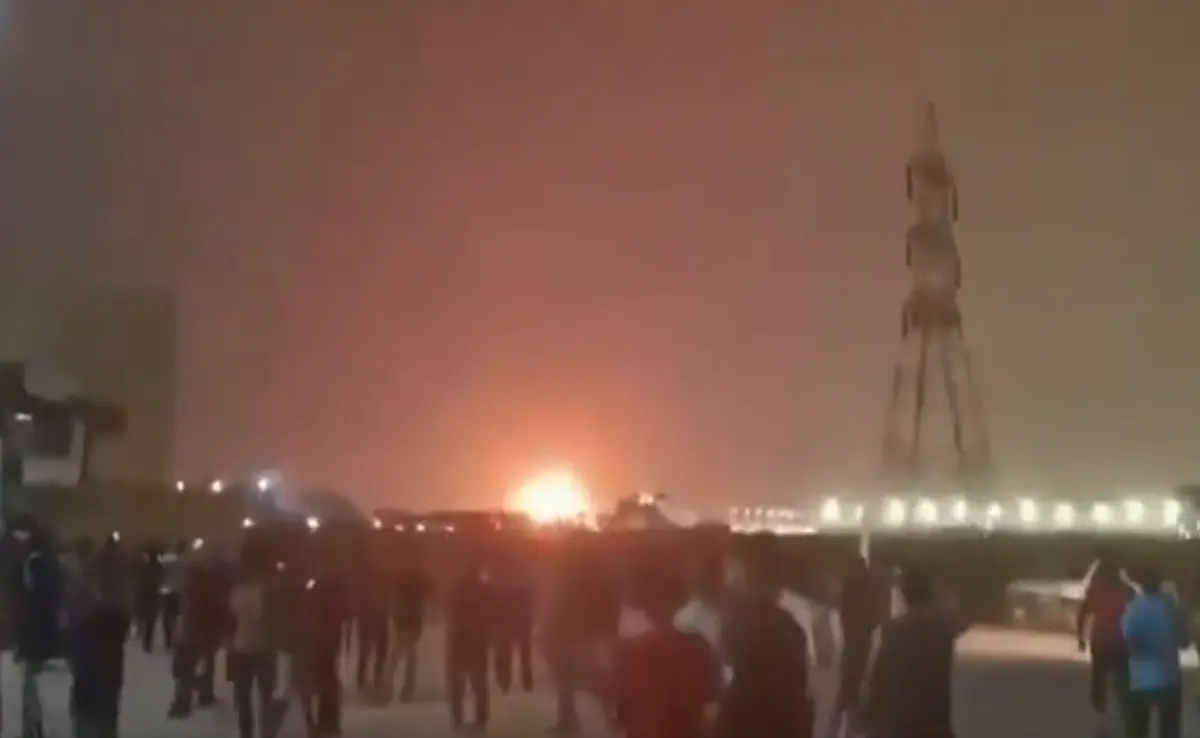
The ongoing conflict in the Middle East has severely impacted Qatar’s Ras Laffan, the world’s largest liquefied natural gas (LNG) hub, following multiple strikes from Iran. The damage is extensive, with QatarEnergy estimating that repairs could take up to five years, resulting in a significant loss of LNG capacity. This disruption has raised alarms over global energy supplies, particularly affecting countries like India, which relies heavily on imports from the region. As energy prices surge, the situation poses a serious challenge for nations dependent on Middle Eastern oil and gas.
Extent of Damage to Energy Infrastructure
Ras Laffan, operated by QatarEnergy, has suffered extensive damage due to the recent Iranian strikes, which have raised concerns about the stability of global energy supplies. The CEO of QatarEnergy, Saad al-Kaabi, reported that the attacks have eliminated 17% of Qatar’s LNG capacity for up to five years. This has led to a spike in Brent crude prices, which briefly surged over 10% to above $119 per barrel before stabilizing. The Financial Times noted that Ras Laffan typically supplies around 20% of the world’s LNG, making its operational status critical for global energy markets. The situation is further complicated by attacks on other energy facilities in the region, including Iran’s South Pars field and Saudi Arabia’s Ras Tanura refinery, which have also faced disruptions. These developments have heightened fears of a prolonged energy crisis, with potential repercussions for countries reliant on these supplies.
Impact on India’s Energy Security
India’s energy security is significantly threatened by the ongoing conflict in the Middle East. The country imports approximately 40% of its LNG from Qatar, making it particularly vulnerable to disruptions in supply. The External Affairs Ministry has expressed concerns about the attacks on energy infrastructure, emphasizing the need to protect civilian facilities. With more than 60% of India’s crude oil imports originating from the Persian Gulf, any instability in this region directly impacts India’s energy supply chain. Furthermore, around 90% of India’s liquefied petroleum gas (LPG) imports pass through the Strait of Hormuz, which has become increasingly perilous due to the recent attacks. Experts warn that these disruptions could lead to rising import costs and increased pressure on domestic energy markets, exacerbating the challenges faced by Indian consumers.
India’s Response to Supply Disruptions
In light of the escalating situation, India is actively seeking to secure its energy needs through various strategies. The government is working to ensure safe passage for its vessels through the Strait of Hormuz and is exploring alternative sources for its energy supplies. The Ministry of External Affairs has indicated that discussions are ongoing with multiple countries to mitigate the impact of the disruptions. Additionally, India is diversifying its energy imports, with efforts to increase purchases from countries outside the conflict zone, such as the United States and Australia. This diversification aims to reduce reliance on Middle Eastern supplies and enhance energy security. The government is also focusing on maximizing domestic LPG production, which has reportedly increased by 36% in recent months, to help meet the rising demand.
Future Implications for Energy Markets
The ongoing conflict in the Middle East and its impact on energy infrastructure could have long-lasting implications for global energy markets. As India and other countries grapple with supply uncertainties, the potential for increased competition for alternative energy sources is likely to drive prices higher. Analysts predict that if disruptions continue, Indian buyers may be forced to procure LNG and LPG at elevated spot market prices, further straining their economies. The situation underscores the importance of energy diversification and the need for countries to develop strategic reserves and renewable energy sources to mitigate future risks. As the conflict evolves, the global energy landscape may face significant shifts, with countries like India at the forefront of navigating these challenges.
Observer Voice is the one stop site for National, International news, Sports, Editor’s Choice, Art/culture contents, Quotes and much more. We also cover historical contents. Historical contents includes World History, Indian History, and what happened today. The website also covers Entertainment across the India and World.
Follow Us on Twitter, Instagram, Facebook, & LinkedIn

