

Iran’s Control Over Hormuz: Transforming Middle East Conflict into a Global Oil Supply Crisis

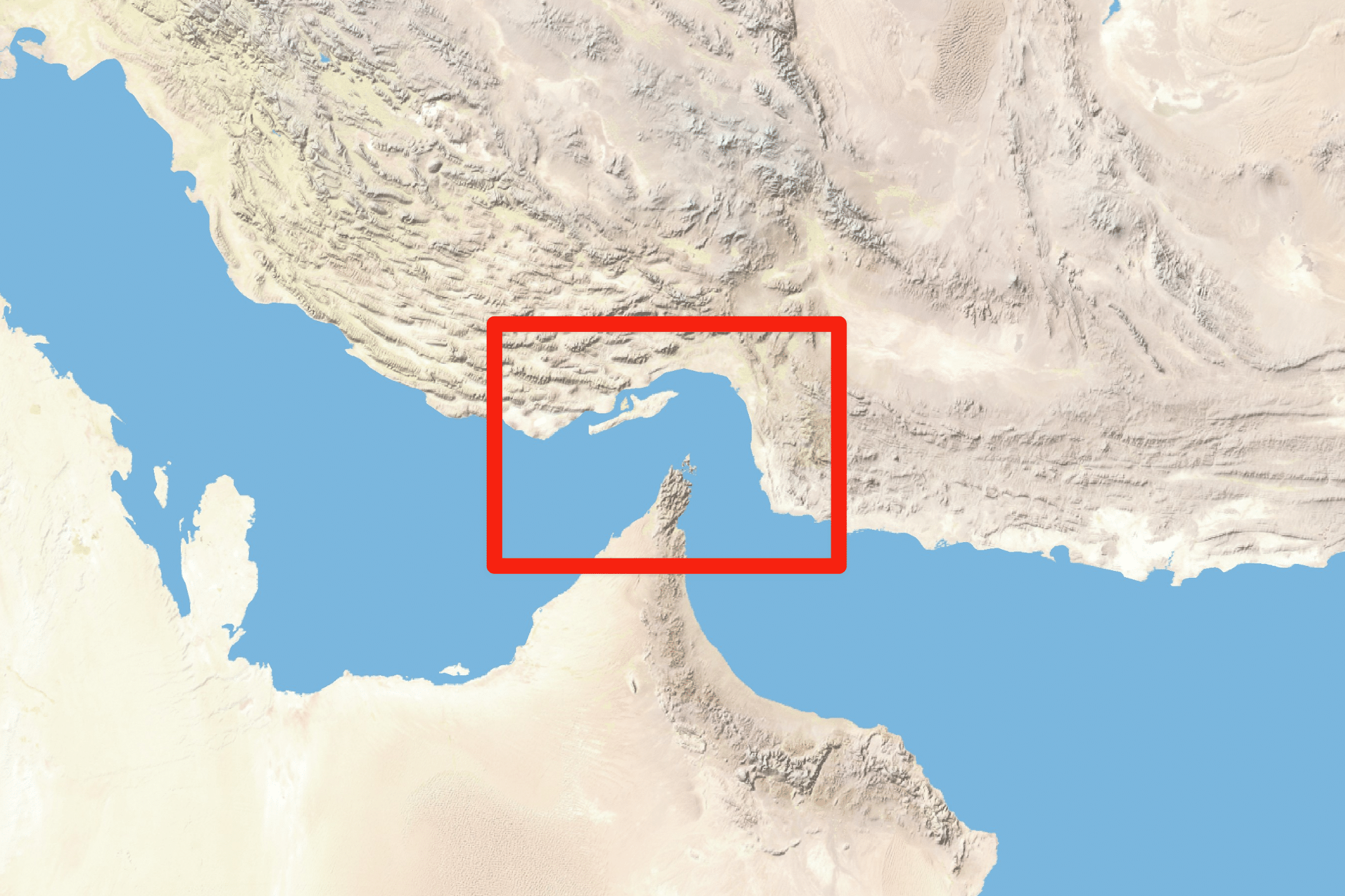
Before the recent military actions by the United States and Israel, Iran had already devised a strategic plan that extends beyond traditional military engagement. According to sources from Reuters, Iran is preparing to leverage the Strait of Hormuz, a crucial passage for global oil transportation, as a strategic tool. Any disruption in this vital waterway could have immediate repercussions on international energy markets. Drawing from historical lessons during the Iran-Iraq conflict, Iran has developed advanced capabilities, including missile and drone technology, to threaten maritime operations effectively.
Strategic Military Preparations
The Islamic Revolutionary Guards Corps (IRGC) has been strategically preparing for potential confrontations with the United States and Israel. This plan was set into motion following the death of Supreme Leader Ayatollah Ali Khamenei on February 28, coinciding with the onset of conflict. Instead of engaging in direct confrontations with superior military forces, Iran aims to exert economic and military pressure on the U.S. by targeting oil supplies and U.S. military positions in the Gulf region. Michael Eisenstadt from the Washington Institute describes this as a form of asymmetric warfare, where Iran can achieve significant global impacts through relatively few, yet impactful, attacks. The overarching goal is to inflict economic pain that could undermine public support for the war in the United States and compel Washington to reconsider its military involvement.
Decentralized Warfare Tactics
Iran’s approach to warfare has evolved to include a decentralized strategy, often referred to as the “Mosaic” strategy. This method allows Iran to distribute its military operations across various regions, utilizing drones and low-cost missiles. These tactics were previously employed by Iranian proxies in countries such as Iraq, Yemen, Syria, and Lebanon. Even after Khamenei’s passing, key figures like Parliament Speaker Mohammad Baqer Qalibaf and national security chief Ali Larijani continue to oversee military operations from Tehran. This structure aims to ensure resilience against any attempts to destabilize Iran’s leadership. Analysts have criticized the U.S. response to these developments, suggesting that Washington was unprepared for the potential drone attacks and disruptions to shipping routes.
Challenges for the United States
While the United States possesses the military capability to significantly weaken Iran, achieving a complete defeat would necessitate a large-scale land invasion, potentially requiring up to a million troops. This level of commitment appears to be beyond the current appetite of U.S. leadership. For Iran, the immediate focus remains on survival, but there is also a broader objective: to demonstrate that military, economic, or diplomatic coercion cannot compel compliance. By asserting control over the Strait of Hormuz and expanding the conflict’s geographical scope, Iran is betting on its ability to outlast a militarily superior adversary. The ongoing situation underscores the complexities of modern warfare and the strategic calculations both nations must navigate in the face of escalating tensions.
Observer Voice is the one stop site for National, International news, Sports, Editor’s Choice, Art/culture contents, Quotes and much more. We also cover historical contents. Historical contents includes World History, Indian History, and what happened today. The website also covers Entertainment across the India and World.

