

India’s Textile Industry Poised for Sustainable Growth

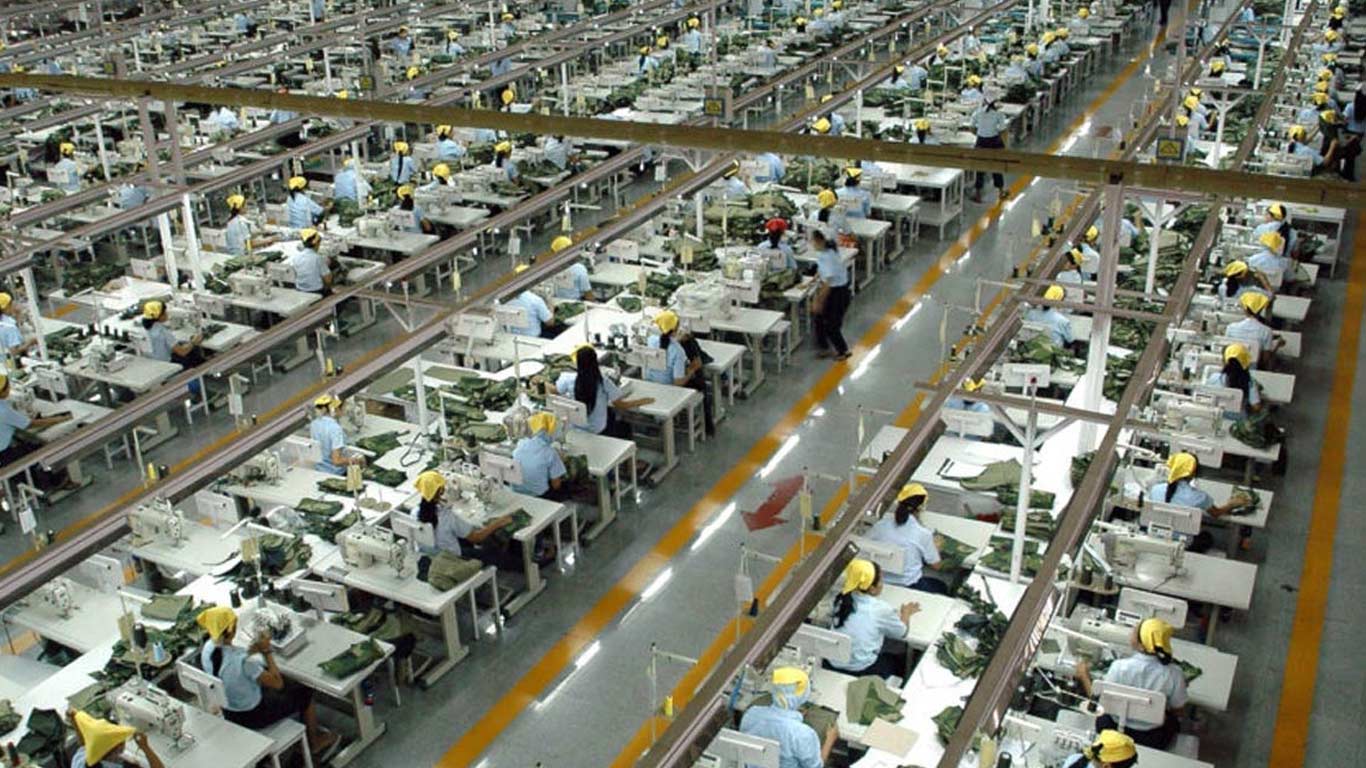
In a significant step towards sustainability, Union Minister of Textiles Shri Giriraj Singh unveiled the report titled “Mapping of Textile Waste Value Chain in India” during an event at Udyog Bhawan, New Delhi. This groundbreaking report provides an in-depth analysis of textile waste generation, recovery methods, and recycling technologies, aiming to bolster the circular economy within India’s textile sector.
Shri Giriraj Singh emphasized the crucial intersection between the rapid expansion of India’s textile industry and the imperative for sustainable practices. He remarked that the report serves as a data-driven guide to convert textile waste into an economic asset, showcasing viable methods for recycling, upcycling, and recovering valuable resources.
Understanding India’s Textile Waste Landscape
The comprehensive study maps out the textile waste generated in India, estimating an alarming annual output of approximately 70.73 lakh tonnes. It reveals that 42 percent of this waste comes from pre-consumer sources, such as production waste, while 58 percent results from post-consumer disposal. Notably, over 70 percent of the total textile waste is currently being recovered and channeled into recycling, upcycling, and reuse programs. The report indicates a particularly robust recovery rate of 95 percent for pre-consumer textile waste, evidencing the effectiveness of existing recovery networks.
Innovations in Recycling and Upcycling
Highlighting advancements in the spinning sector, the report notes that nearly 100 percent of spinning waste is reintegrated into production processes through closed-loop operations. This operational model showcases the industry’s commitment to sustainability by reusing soft waste generated during spinning immediately within the same process.
Furthermore, the report points out that around 55 percent of India’s post-consumer textile waste is diverted from landfills, supported largely by an extensive informal network responsible for collecting and sorting discarded textiles, which sustains 40–45 lakh livelihoods, predominantly among women from marginalized communities.
The Future of Textile Recycling in India
Cluster analysis identifies Panipat as a burgeoning hub for mechanical textile recycling, prompting the suggestion that enhancing recycling infrastructure in textile clusters could significantly boost efficiency and facilitate recycling close to waste generation sources.
The report projects that India’s textile recycling market could touch USD 3.5 billion by 2030, potentially creating around one lakh new green jobs. It acknowledges mechanical recycling as the most developed approach currently, while advocating for the emerging chemical recycling technologies that can retrieve fibers at the molecular level, paving the way for textile-to-textile recycling.
With this report, the Ministry of Textiles reaffirms its commitment to sustainable practices in manufacturing, resource circularity, and innovation in recycling technologies. The findings are anticipated to guide policy development, foster industry collaboration, and attract investments, thus positioned to enhance India’s stature as a global hub for circular and sustainable textiles.
Observer Voice is the one stop site for National, International news, Sports, Editor’s Choice, Art/culture contents, Quotes and much more. We also cover historical contents. Historical contents includes World History, Indian History, and what happened today. The website also covers Entertainment across the India and World.

