

India Focuses on Green Steel and Emission Reduction Efforts

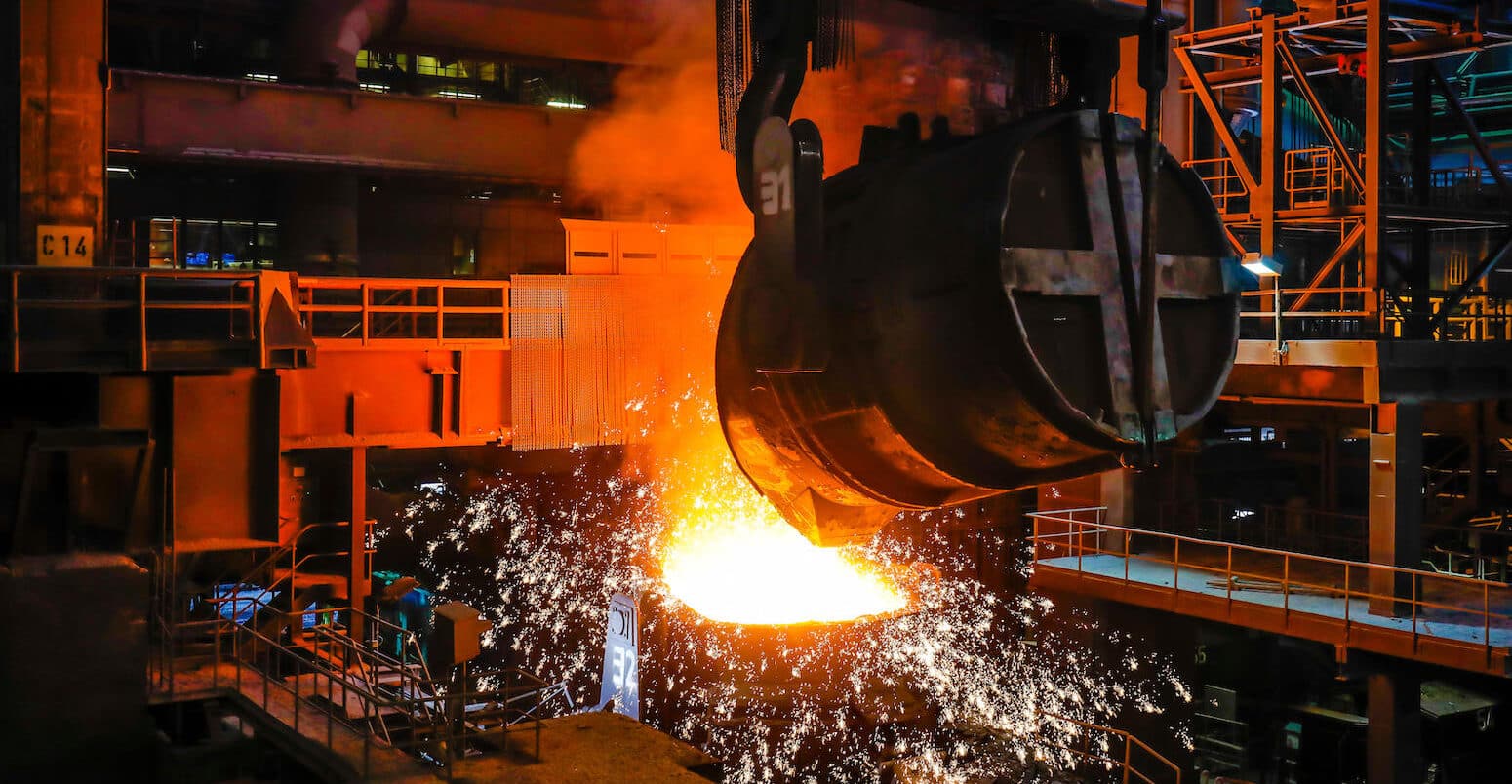
The Indian government is actively taking measures to enhance sustainability in the steel sector while promoting green technologies. The Ministry of Steel (MoS) has initiated several significant steps aimed at fostering a low-emission model for steel production, as the country sets its sights on a net-zero target by 2070.
In a written reply to the Lok Sabha, the Minister of State for Heavy Industries, Shri Bhupathiraju Srinivasa Varma, highlighted the absence of specific schemes in the Ministry of Heavy Industries to address these environmental challenges. However, he emphasized the proactive role of the MoS in evolving a roadmap for greener practices in steel manufacturing.
Key Initiatives by the Ministry of Steel
The MoS has released a comprehensive Taxonomy for Green Steel, which serves as a framework to define and categorize low-emission steel production techniques. Additionally, they published a critical report titled “Greening the Steel Sector in India: Roadmap and Action Plan,” which aligns with the recommendations from 14 Task Forces established to guide the sector towards sustainable practices. This report outlines the future direction for adopting green steel technologies and is accessible on the MoS website.
Furthermore, the Steel Scrap Recycling Policy of 2019 establishes a collaborative framework across various ministries to promote the efficient recycling of ferrous scrap from multiple sources. Another notable development includes the launch of four pilot projects that utilize hydrogen in the steel sector, under the National Green Hydrogen Mission run by the Ministry of New & Renewable Energy.
In-House Initiatives by Public Sector Undertakings
Public Sector Undertakings (PSUs) under the Ministry of Heavy Industries are also taking commendable steps towards reducing carbon emissions. Bharat Heavy Electricals Limited (BHEL) has implemented several innovative projects, including an indigenous CO2 Capture solution. This initiative employs a CO2 Capture unit integrated with a Coal-to-Methanol demonstration plant, achieving a capacity of 1.4 tons per day using an amine-based absorption method.
BHEL has also developed Advanced Ultra Supercritical Technology (AUSC) in collaboration with NTPC and IGCAR, demonstrating an 11% reduction in CO2 emissions compared to traditional supercritical power plants. Additionally, BHEL has installed solar power plants at various manufacturing sites across India, generating a total of approximately 35 MW.
Meanwhile, the Cement Corporation of India (CCI) has adopted measures to minimize carbon emissions by installing a Fly Ash Feeding System, modernizing old motors, and incorporating a hot air duct system at its facilities. CCI is also implementing solar energy solutions under the RESCO model to power its operations.
These ongoing initiatives reflect India’s determination to lead in the transition towards greener practices in heavy industries, demonstrating a significant commitment to environmental sustainability and climate responsibility.
Observer Voice is the one stop site for National, International news, Sports, Editor’s Choice, Art/culture contents, Quotes and much more. We also cover historical contents. Historical contents includes World History, Indian History, and what happened today. The website also covers Entertainment across the India and World.

