

Gujarat High Court Overturns Job Denial for Unmarried Woman Due to Future Marriage Assumptions, Citing Favoritism

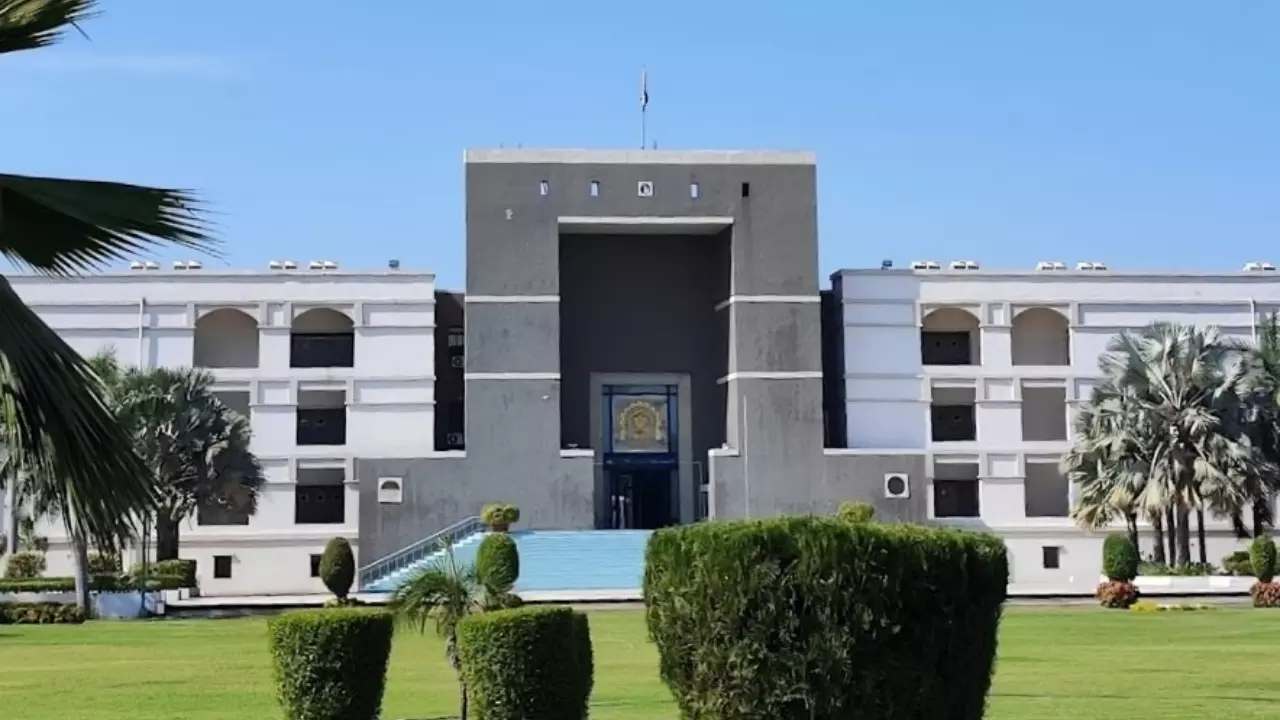
In a landmark ruling, the Gujarat High Court has reinforced the constitutional right to equality in public employment by declaring the refusal to hire an unmarried woman based on assumptions about her future marital status as discriminatory. The court’s decision, delivered on February 16, 2026, annulled the appointment of a less qualified candidate for the position of Administrator-cum-Cook in Dahod, citing favoritism and directing authorities to prioritize merit in future hiring processes. The case arose from a petition filed by Sangada Hansaben Malabhai, who challenged the legality of the recruitment process that favored another candidate despite her superior qualifications.
Background of the Case
The controversy began when the Mamlatdar of Jhalod initiated a recruitment process for the position of Administrator-cum-Cook. Multiple candidates, including the petitioner and the appointed respondent, applied for the role. The petitioner, who achieved 68% in her graduation, found herself ranked lower than the respondent, who had only 48.94% and faced questions regarding her educational status at the time of application. Despite her higher qualifications, the Mamlatdar’s merit list placed the respondent above the petitioner, leading to allegations of manipulation and favoritism. The petitioner argued that her educational credentials, obtained through the Right to Information Act, clearly demonstrated her superior qualifications, and she sought to have the appointment order quashed.
Arguments Presented in Court
Representing the petitioner, Mr. Japan V. Dave contended that the merit list was intentionally altered to favor the less qualified candidate. He emphasized that the petitioner had submitted all necessary educational documents, including her graduation certificate, which were later verified through RTI. He argued that the appointment violated recruitment criteria and the constitutional principles of equality, as it favored less qualified candidates without justification. The state, however, countered that the petitioner had not provided her graduation certificate during the recruitment process, leading to the selection of another candidate. The state also indicated that the Mamlatdar involved had retired and could not clarify the circumstances surrounding the appointment.
Findings of the Court
Upon reviewing the case, the Gujarat High Court identified significant irregularities in the recruitment process. The court described the situation as a “classic example of outright favoritism,” noting that the reasoning for dismissing the petitioner based on her marital status was arbitrary and discriminatory. The court stated that there was no valid basis for assuming that an unmarried woman would relocate due to marriage. It emphasized that such reasoning violated Articles 14 and 16 of the Constitution, which guarantee equality and non-discrimination in public employment. The court found that the petitioner’s educational certificates were part of the official record and that the state’s claims regarding her qualifications were unconvincing.
Conclusion and Future Implications
The High Court ultimately quashed the appointment of the respondent and directed the authorities to verify the petitioner’s graduation certificate before proceeding with her appointment based on merit. The court mandated that this verification be completed within one month and provided broader guidelines to ensure transparency in future recruitment processes. The ruling not only reinstates the importance of merit in public employment but also calls for protective measures to prevent similar malpractices in the future. The court’s decision serves as a reminder of the need for fairness and integrity in public service hiring practices, reinforcing the principle that qualifications should be the sole criterion for employment.
Observer Voice is the one stop site for National, International news, Sports, Editor’s Choice, Art/culture contents, Quotes and much more. We also cover historical contents. Historical contents includes World History, Indian History, and what happened today. The website also covers Entertainment across the India and World.
Follow Us on Twitter, Instagram, Facebook, & LinkedIn

