

Trump Proposes $2,000 Direct Payments to Americans Amidst Rising Tariff Concerns Without Congressional Approval

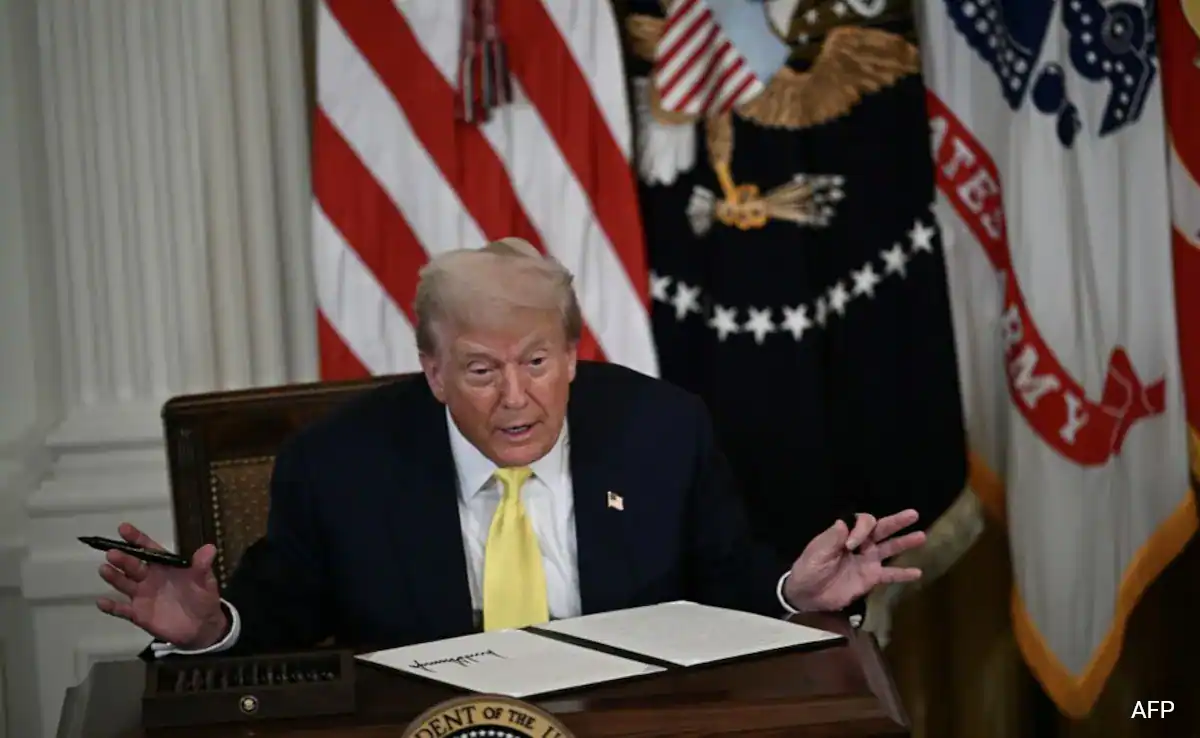
US President Donald Trump has once again proposed a $2,000 payment to Americans, suggesting that it could be funded through tariff revenues without needing congressional approval. During a recent press briefing, Trump emphasized that strong tariff collections have created a financial cushion that could allow for direct payments to citizens while also contributing to the reduction of the national debt. However, this proposal comes in the wake of a significant Supreme Court ruling that challenges the legality of his tariff framework.
Trump’s Proposal for Direct Payments
In his remarks, President Trump expressed optimism about the possibility of issuing a $2,000 dividend to American citizens. He stated that the influx of revenue from tariffs has made it feasible to consider such payments. Trump mentioned, “The reason we’re even talking about it is that we have so much money coming in from tariffs that we’ll be able to issue at least a $2,000 dividend and also pay down debt for the country.” He indicated that there might be an income limit to ensure the payments are targeted effectively. Trump believes that this initiative could be executed without the need for congressional approval, saying, “I don’t think we would have to go to Congress, but, you know, we’ll find out.”
Supreme Court Ruling Challenges Tariff Framework
These comments come shortly after the US Supreme Court delivered a significant setback to Trump’s tariff strategy. In the case of Learning Resources, Inc. vs. Trump, the court ruled 6-3 that the president does not possess the authority under the International Emergency Economic Powers Act (IEEPA) to impose broad tariffs. This ruling invalidated several tariffs introduced under that law, including the administration’s controversial “Liberation Day” measures. The decision complicates Trump’s proposed $2,000 “tariff dividend,” as it raises questions about the legality and sustainability of the tariff revenues he aims to use for these payments.
The financial implications of the Supreme Court’s ruling could be considerable. Economists from the Penn-Wharton Budget Model have estimated that over $175 billion in tariff collections may now face potential refunds. This situation poses a challenge to Trump’s plan, as the revenue stream he relies on for the proposed payments is now uncertain.
Adjustments to Tariff Rates Following the Ruling
In response to the Supreme Court’s decision, Trump has indicated a shift in his tariff strategy. He announced an increase in the global tariff rate, raising it first to 10% and then to 15%. Following the ruling, Trump criticized the six justices who voted against him and took to Truth Social to declare that the tariff would be raised “to the fully allowed, and legally tested, 15% level.” This adjustment is framed under Section 122 of the Trade Act, which permits the president to impose duties to address significant balance-of-payments deficits.
Trump had initially proposed the idea of a tariff-funded rebate last year, promising a $2,000 payment to Americans as families continue to face rising living costs. However, the recent court ruling has cast doubt on the feasibility of this program, raising questions about its affordability and the sustainability of the tariff revenues that would fund it.
Future Implications and Public Reaction
As the situation unfolds, the potential for a $2,000 payment remains uncertain. Public reaction to Trump’s proposal has been mixed, with some citizens expressing hope for financial relief while others question the practicality of the plan. The ongoing debate surrounding tariffs and their implications for the economy continues to be a focal point in discussions about fiscal policy and government spending.
With the Supreme Court’s ruling complicating Trump’s tariff strategy, the administration faces challenges in implementing its proposed financial relief measures. As the administration navigates these complexities, the future of the $2,000 payment proposal hangs in the balance, leaving many Americans awaiting clarity on potential financial assistance.
Observer Voice is the one stop site for National, International news, Sports, Editor’s Choice, Art/culture contents, Quotes and much more. We also cover historical contents. Historical contents includes World History, Indian History, and what happened today. The website also covers Entertainment across the India and World.

