

Mike Hesson Discusses Babar Azam’s Strike Rate, Salman Ali Agha’s Rift, and Shaheen Afridi’s Exclusion

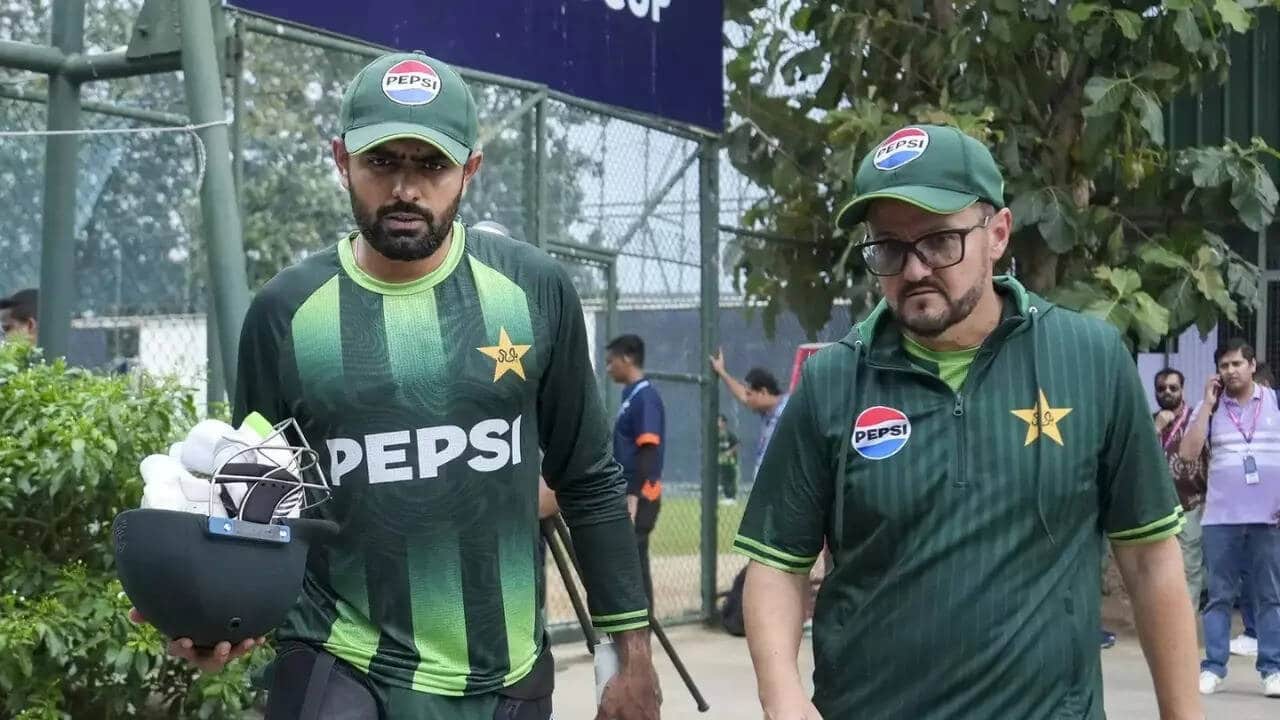
Pakistan’s head coach Mike Hesson addressed concerns regarding Babar Azam’s performance ahead of their crucial Super Eight match against New Zealand at the R Premadasa Stadium in Colombo. Following a disappointing season in the Big Bash League, where Babar managed only 202 runs at a strike rate of 103.06, doubts arose about his role in the T20 World Cup. In Pakistan’s last group match against Namibia, he was notably demoted in the batting order, raising questions about his current form and position within the team.
Concerns Over Babar Azam’s Strike Rate
Mike Hesson did not shy away from discussing Babar Azam’s strike rate, particularly in the context of World Cup matches. He pointed out that Babar’s strike rate during the powerplay has been below 100, which is a concern for the team’s strategy. Hesson emphasized that Babar understands the team’s requirements and his role within it. He noted that while Babar is a valuable player, especially in challenging situations, there are times when other players may be better suited to specific roles. Hesson’s comments reflect a strategic approach to team selection and batting order, aiming to optimize performance based on the match situation.
In the match against Namibia, Babar was not sent in to bat at his usual position, which raised eyebrows among fans and analysts alike. Hesson explained that the decision was tactical, aimed at countering the left-arm spin on a turning pitch. He acknowledged that Babar recognized the need for a different approach, which led to the decision to send in Khawaja Nafay and Shadab Khan instead. This decision underscores the team’s focus on adapting to match conditions and utilizing players’ strengths effectively.
Strategic Changes in Team Selection
Pakistan made significant changes in their lineup during the match against Namibia, including dropping star bowler Shaheen Shah Afridi. Hesson defended this decision, stating that Salman Mirza’s inclusion was warranted based on his performance and the team’s needs. Mirza’s impressive bowling performance against Namibia further validated the coaching staff’s decision. Hesson remarked that Mirza should have played in earlier matches as well, indicating a commitment to making choices that enhance the team’s overall performance.
The decision to drop Afridi, who had struggled in the previous match against India, was part of a broader strategy to strengthen the team’s chances in the tournament. Hesson’s willingness to make bold calls demonstrates a proactive approach to team management, focusing on performance rather than reputation. This shift in selection strategy reflects a desire to adapt and improve as the tournament progresses.
Addressing Allegations of Conflict
In light of a viral video that suggested a conflict between Hesson and player Salman Ali Agha during the Namibia match, the coach took the opportunity to clarify the situation. He explained that the video misrepresented their interaction, which was merely a discussion about tactical adjustments. Hesson emphasized that Agha’s frustration stemmed from his dismissal, not from any disagreement with the coaching staff. This clarification aims to dispel any rumors of discord within the team, highlighting the importance of communication and understanding among players and coaches.
Hesson’s comments reflect a commitment to maintaining a positive team environment, even amid the pressures of a high-stakes tournament. By addressing these issues directly, he reinforces the idea that the team’s focus remains on performance and collaboration rather than internal conflicts. As Pakistan prepares to face New Zealand, the emphasis on unity and strategic execution will be crucial for their success.
Looking Ahead to the Match Against New Zealand
As Pakistan gears up for their match against New Zealand, the team is focused on implementing the strategies discussed by Hesson. The upcoming game will take place on the same pitch used for the Sri Lanka vs. Zimbabwe match, which could influence the playing conditions. Hesson’s insights into player roles and the importance of adapting to match situations will be vital as they face a formidable opponent in New Zealand.
The coaching staff’s decisions regarding batting order and player selection will be closely scrutinized as the team aims to bounce back from previous performances. With Babar Azam and other key players under pressure to deliver, the match promises to be a critical test of Pakistan’s resilience and tactical acumen. As they prepare for this important encounter, the focus will be on executing their game plan effectively and leveraging their strengths to secure a victory.
Observer Voice is the one stop site for National, International news, Sports, Editor’s Choice, Art/culture contents, Quotes and much more. We also cover historical contents. Historical contents includes World History, Indian History, and what happened today. The website also covers Entertainment across the India and World.
Follow Us on Twitter, Instagram, Facebook, & LinkedIn

