

Umpire Steps In as Bowler Re-bowls During Tense India vs Namibia Clash

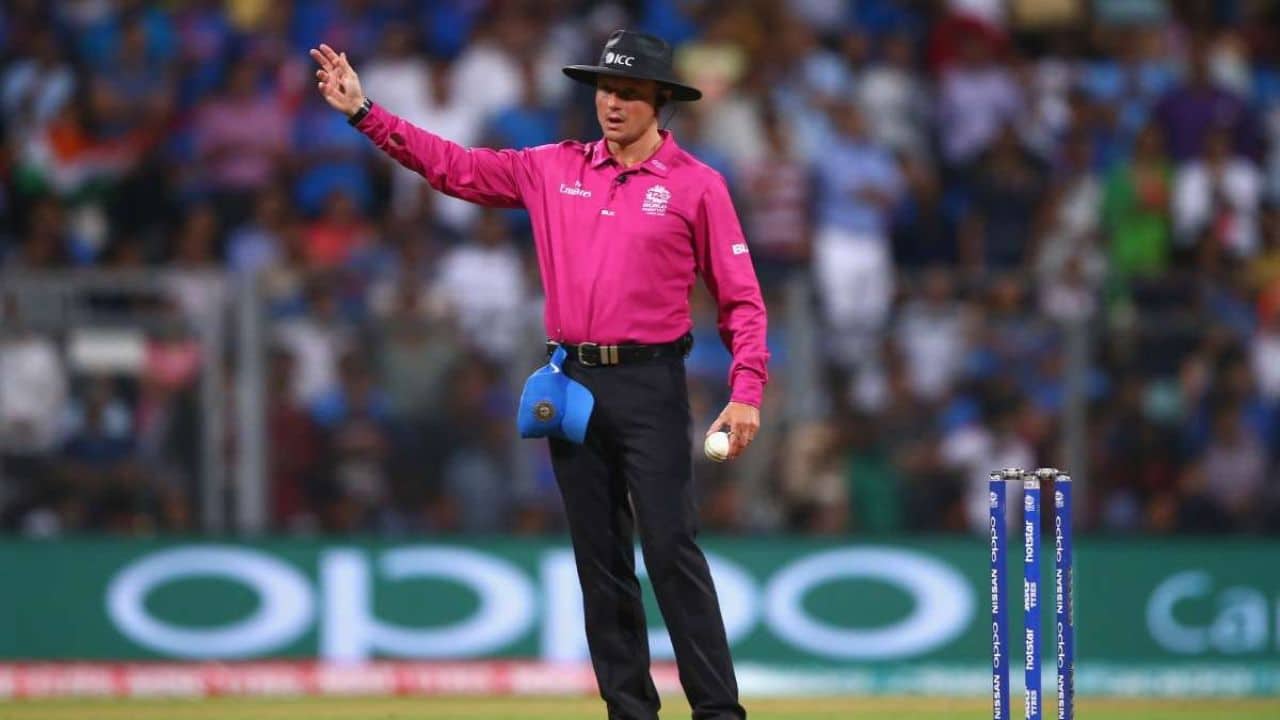
A surprising moment unfolded during the T20 World Cup 2026 Group A match between India and Namibia at the Arun Jaitley Stadium in Delhi. Namibia’s captain, Gerhard Erasmus, caused a stir with an unusual bowling delivery that led to a heated discussion with the umpire. The incident occurred in the eighth over of India’s innings, where Erasmus released the ball from an unconventional point, prompting the on-field umpire to call it a dead ball. Earlier, Namibia won the toss and opted to bowl first, while India made two key changes to their lineup.
India’s Team Changes and Match Context
India entered the match after a narrow victory over the USA, where they won by 29 runs. The team made two significant changes for this encounter, bringing back wicketkeeper-batter Sanju Samson and pace bowler Jasprit Bumrah, both of whom had missed the previous game due to illness. Captain Suryakumar Yadav confirmed that while Samson and Bumrah were fit to play, Abhishek Sharma was still recovering from a stomach infection and would miss this match and potentially more. Yadav expressed confidence in the team’s ability to perform, stating, “As long as we are losing the toss and winning the game, we are fine with it.” He emphasized the importance of batting first on a good wicket, especially with dew expected to impact the game later.
Namibia’s Strategy and Adjustments
Namibia also made two changes to their lineup, with Malan Kruger and Ben Shikongo stepping in for Dylan Leicher and William Myburgh. Captain Erasmus shared his thoughts on the pitch conditions, noting that it was a “very good flat cricketing surface.” He acknowledged the need for his team to tighten their skills and aimed to chase effectively in the second half of the match. Erasmus’s comments reflected a strategic mindset, focusing on the entertainment aspect of the game while also considering the conditions that could affect performance.
Pitch Conditions and Game Dynamics
According to the pitch report, the playing surface at Arun Jaitley Stadium was expected to provide even bounce and good carry, particularly under lights. The dimensions of the boundaries varied from 59 to 73 meters, with a longer off-side boundary for right-handed batsmen. Dew was anticipated to play a significant role as the match progressed, potentially influencing the outcome. Both teams were aware of these factors, and the captains’ remarks indicated a shared understanding of the challenges and opportunities presented by the pitch and weather conditions. As the match unfolded, the players aimed to capitalize on the favorable conditions while navigating the complexities of the game.
Observer Voice is the one stop site for National, International news, Sports, Editor’s Choice, Art/culture contents, Quotes and much more. We also cover historical contents. Historical contents includes World History, Indian History, and what happened today. The website also covers Entertainment across the India and World.

