

How Mubashshir Usmani of the ECB Helped Ease Tensions During the India vs Pakistan T20 World Cup Clash

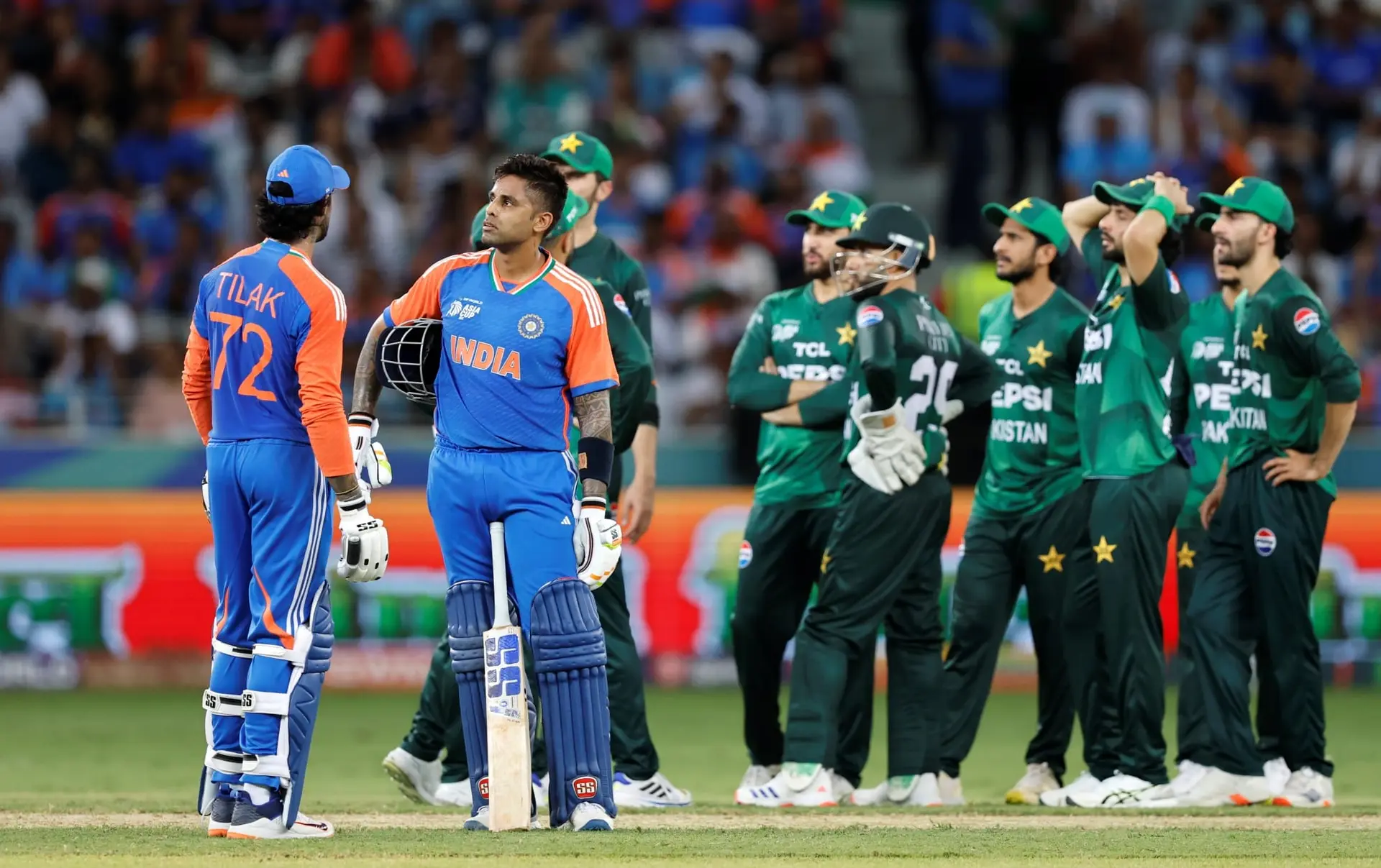
A significant development unfolded on Monday as Pakistan announced it would participate in the T20 World Cup match against India, scheduled for February 15 in Colombo. This decision came after a week of negotiations involving the Pakistan Cricket Board (PCB), the International Cricket Council (ICC), and the Bangladesh Cricket Board (BCB). The resolution was facilitated by Mubashshir Usmani, general secretary of the Emirates Cricket Board, who played a crucial role in mediating the discussions that led to the agreement.
Negotiations and Resolution
The impasse that had threatened the India-Pakistan match was resolved after intense discussions that began around 7:30 PM IST on Monday. Mubashshir Usmani, who was initially in London, was called back to Dubai to assist in the negotiations. His involvement was pivotal, as the Emirates Cricket Board has established strong relationships with both the PCB and BCB. An ICC delegation, led by deputy chair Imran Khwaja and BCB president Aminul Islam Bulbul, had traveled to Lahore to engage with PCB chairman Mohsin Naqvi. The urgency of the situation was underscored by the potential financial repercussions of a boycott, which could have severely impacted broadcast and advertising revenues across the cricketing landscape, particularly affecting Associate and non-Test nations like the UAE.
Usmani’s mediation highlighted the importance of maintaining the scheduled match, emphasizing the financial fallout that would ensue from a boycott. His intervention was crucial in alleviating tensions among the parties involved. Ultimately, the negotiations led to a consensus that allowed the match to proceed as planned, ensuring that all stakeholders’ concerns were addressed.
Background of the Stand-off
The stand-off originated two weeks prior when Bangladesh was excluded from the T20 World Cup after the ICC dismissed their security concerns regarding travel to India. Following this decision, PCB chairman Mohsin Naqvi publicly criticized the ICC for perceived double standards, prompting the Pakistan government to instruct the PCB to boycott the match against India in solidarity with Bangladesh. This potential no-show raised alarms about the implications for broadcast revenues and future media rights agreements, as well as the ICC’s funding model.
In light of these developments, the Pakistan government acknowledged appeals from other ICC members, including Sri Lanka and the UAE, urging a resolution to the situation. BCB president Aminul Islam also advocated for the match to be played, emphasizing the benefits for the entire cricket ecosystem. His sentiments reflected a desire for unity and cooperation among cricketing nations, reinforcing the importance of the India-Pakistan fixture.
ICC’s Position and Future Implications
In a statement released on Monday, the ICC indicated it would not penalize Bangladesh for missing the T20 World Cup, marking a significant shift in its stance. The ICC also reaffirmed its commitment to Bangladesh as a core cricketing nation, promising that the country would be awarded a global tournament before the men’s World Cup in 2031. ICC chief executive Sanjog Gupta expressed regret over Bangladesh’s absence but emphasized the organization’s ongoing support for the nation.
As the tournament progresses, Pakistan has already secured victories in both of its matches, while India is set to face Namibia before the highly anticipated clash in Colombo. The resolution of the stand-off not only ensures the continuation of the T20 World Cup but also highlights the intricate relationships and negotiations that underpin international cricket. The successful mediation by Usmani and the collaborative efforts of the involved parties serve as a reminder of the sport’s global interconnectedness and the importance of maintaining competitive integrity.
Observer Voice is the one stop site for National, International news, Sports, Editor’s Choice, Art/culture contents, Quotes and much more. We also cover historical contents. Historical contents includes World History, Indian History, and what happened today. The website also covers Entertainment across the India and World.

