

India Implements Gradual Tariff Reductions Over 10 Years, Protecting Key Agricultural Sectors: Government

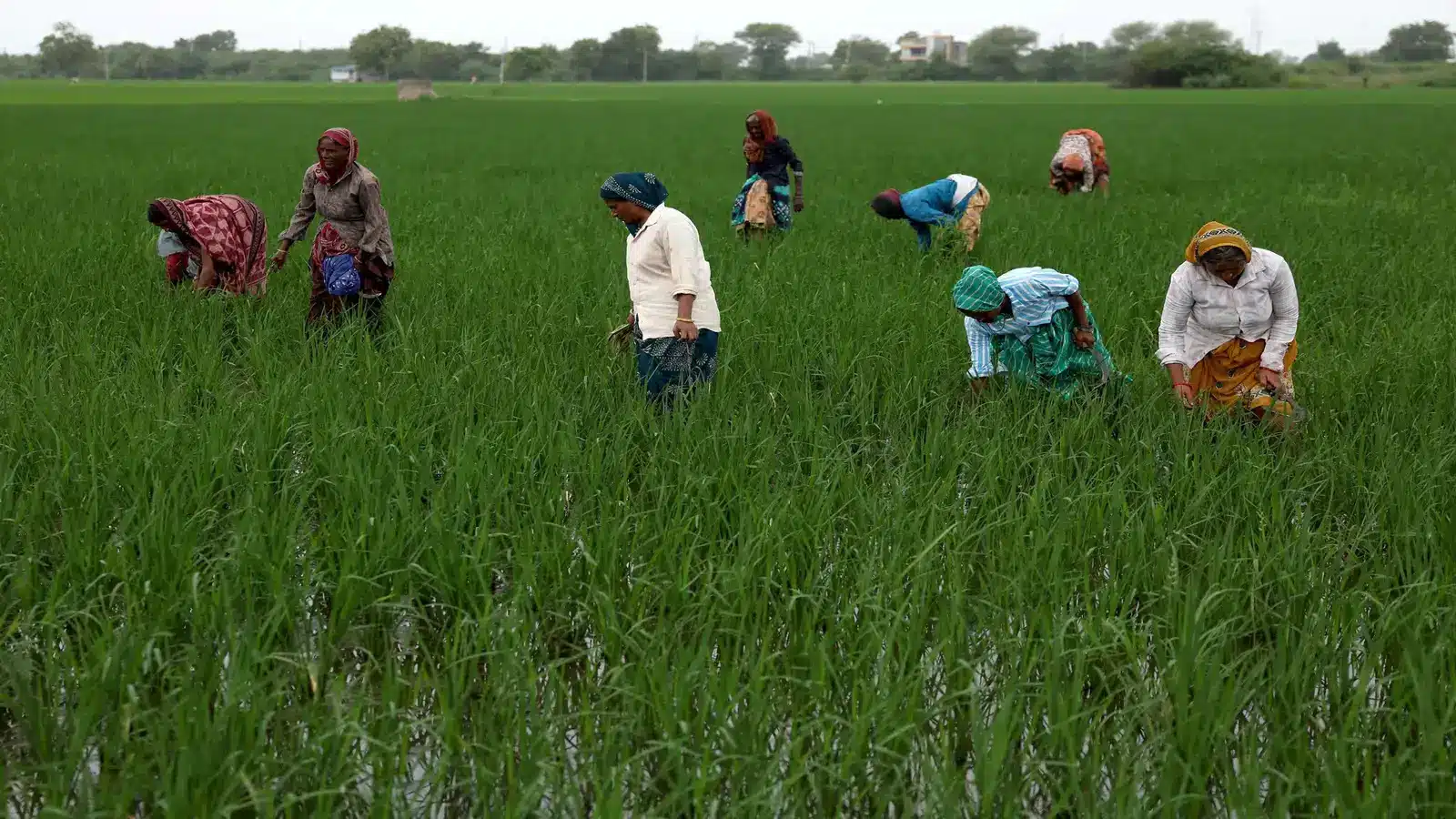
The Indian government has announced a phased approach to tariff liberalization under the India-US Bilateral Trade Agreement, allowing for the gradual elimination of duties on select products over a period of up to ten years. This strategy aims to protect sensitive agricultural sectors while providing structured market access for U.S. agricultural products. The government has categorized the tariff adjustments into immediate eliminations, phased reductions, and other mechanisms to ensure a balanced trade relationship.
Phased Tariff Liberalization Strategy
India’s approach to tariff liberalization under the new trade agreement is designed to be gradual and measured. The government has outlined a timeline of up to ten years for the elimination of duties on certain products, particularly those that are intermediate goods used in the food processing industry. This includes items such as albumins, various oils, and modified starches. The phased approach is intended to give domestic stakeholders ample time to adjust to the changes, ensuring that local industries remain competitive while integrating into the global market.
The government has also emphasized that highly sensitive agricultural sectors will remain fully protected. This includes a wide range of products such as meat, poultry, dairy, and various grains and fruits. By maintaining these protections, India aims to safeguard its agricultural interests while still engaging in international trade.
Market Access for U.S. Agricultural Products
Under the new agreement, the U.S. will gain structured access to the Indian agricultural market, with provisions based on product sensitivity. The offer includes immediate duty eliminations for certain products, as well as tariff reductions and tariff rate quotas (TRQs) for others. For example, limited quantities of in-shell almonds, walnuts, and lentils will be allowed at reduced duties.
Union Commerce Minister Piyush Goyal has stated that Indian agricultural products will benefit from lower reciprocal tariffs compared to their competitors. He highlighted that several products, including tea, coffee, and spices, will enjoy zero tariffs, enhancing their competitiveness in the U.S. market.
Trade Surplus and Economic Impact
India currently maintains a trade surplus of $1.3 billion in agricultural trade with the United States, with exports valued at $3.4 billion and imports at $2.1 billion for the year 2024. This favorable balance underscores the potential benefits of the new trade agreement for Indian farmers and producers.
Minister Goyal has reassured stakeholders that the agreement will not disadvantage Indian farmers, micro, small, and medium enterprises (MSMEs), or artisans. He emphasized that while U.S. agricultural products may enter India under certain conditions, no concessions will be granted that could harm local producers. Instead, the agreement is expected to open up greater access to the U.S. market for Indian agricultural exports.
Future Prospects and Commitments
The Indian government remains committed to ensuring that its agricultural sector is not adversely affected by the new trade agreement. Goyal has reiterated that the focus will be on enhancing the competitiveness of Indian products while protecting local interests. The phased tariff liberalization strategy is seen as a way to balance the needs of domestic stakeholders with the opportunities presented by international trade.
As the agreement unfolds, stakeholders will be closely monitoring its impact on both Indian agriculture and the broader trade relationship with the United States. The government’s careful approach aims to foster growth and stability in the agricultural sector while navigating the complexities of global trade dynamics.
Observer Voice is the one stop site for National, International news, Sports, Editor’s Choice, Art/culture contents, Quotes and much more. We also cover historical contents. Historical contents includes World History, Indian History, and what happened today. The website also covers Entertainment across the India and World.
Follow Us on Twitter, Instagram, Facebook, & LinkedIn

