

Consul General Qin Jie: External Factors Expected to Have Minimal Impact on India-China Trade

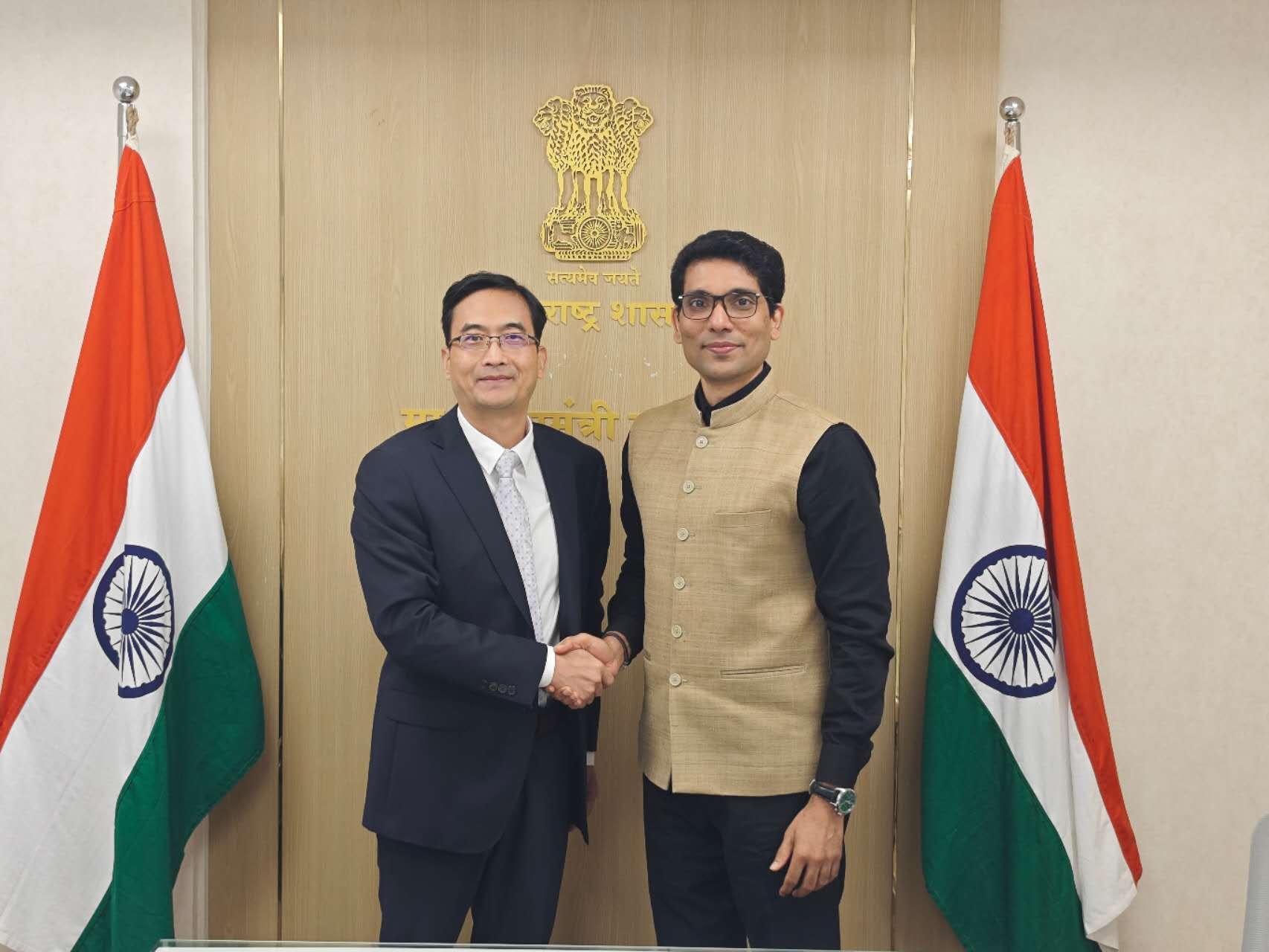
India and China are poised to maintain robust trade relations, unaffected by external geopolitical shifts, according to Qin Jie, China’s Consul General in Mumbai. Speaking at the International Business Conclave in Nagpur, he emphasized the strong structural foundations of bilateral economic engagement. Despite India’s recent trade agreements with global partners, Qin asserted that these developments would not significantly alter the trade dynamics between the two nations. He highlighted the importance of continued cooperation and communication in various fields, including culture and education.
Strong Foundations of Bilateral Trade
Qin Jie expressed confidence in the enduring nature of India-China trade, citing the substantial economic size of both countries. He noted that both nations are committed to multilateralism and global trade frameworks, which serve as a solid basis for their economic interactions. The Consul General remarked that external geopolitical factors are unlikely to disrupt the trade relationship, as both economies are large and interconnected. He stated, “Because India is a very big economy and China is also a very large economy, we are countries that both support multilateralism and multilateral trade and multicultural exchange.” This perspective underscores the resilience of their economic ties amid changing global dynamics.
India’s Sovereign Trade Decisions
When discussing India’s trade engagements with the United States and the European Union, Qin Jie acknowledged India’s sovereignty in shaping its external partnerships. He emphasized that while India is free to pursue relationships with other global powers, it is crucial for India and China to continue strengthening their bilateral cooperation. Qin stated, “For India and China, we should continue cooperation, strengthen ties, and maintain communication in many fields.” This statement reflects a desire for ongoing dialogue and collaboration, despite the complexities of international relations.
Revisiting Investment Policies
In response to inquiries about India’s Press Note 3, which requires government approval for foreign direct investment from neighboring countries, Qin Jie indicated that he had seen reports suggesting India might be reviewing this policy. He described this potential review as a “very positive and good move,” advocating for increased collaboration between Chinese and Indian businesses. Qin highlighted the need for cooperation in various sectors, including cultural, educational, and artistic exchanges. This call for a reassessment of investment policies suggests a willingness to enhance economic ties and foster mutual growth.
Complementary Strengths Over Competition
Addressing the ‘China Plus One’ strategy, which encourages global firms to diversify their supply chains beyond China, Qin Jie urged both nations to focus on their complementary strengths rather than viewing each other as competitors. He pointed out that while China excels in manufacturing, India has significant capabilities in software and services. “We should look at how we can work together, rather than on who replaces whom,” he remarked. This collaborative approach could pave the way for a more integrated economic partnership, benefiting both countries in the long run.
Observer Voice is the one stop site for National, International news, Sports, Editor’s Choice, Art/culture contents, Quotes and much more. We also cover historical contents. Historical contents includes World History, Indian History, and what happened today. The website also covers Entertainment across the India and World.
Follow Us on Twitter, Instagram, Facebook, & LinkedIn

