

India Takes Strides Against Spurious Seed Sales

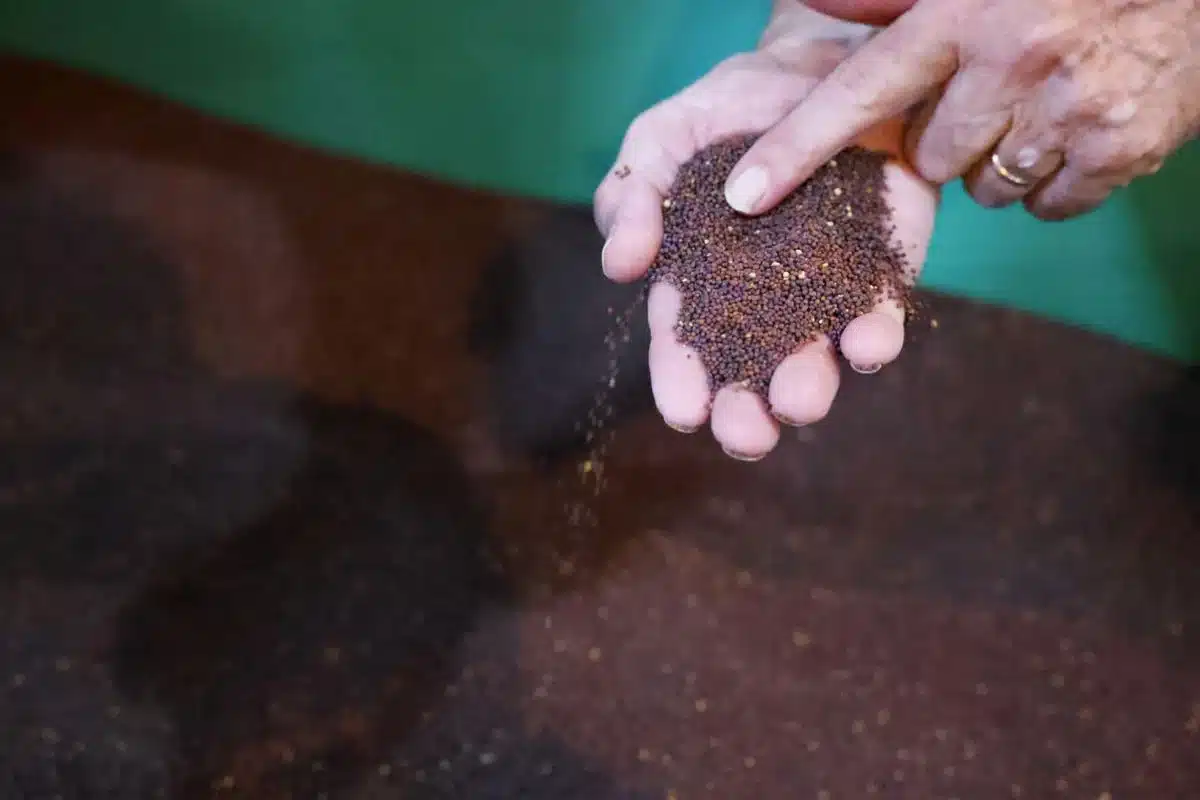
In a concerted effort to regulate seed quality and combat the proliferation of spurious seeds, the Indian government is intensifying its regulatory framework. Under existing laws, including the Seeds Act of 1966 and the Seeds (Control) Order of 1983, state governments are empowered to appoint Seed Inspectors. These inspectors are tasked with the crucial responsibilities of inspecting seed outlets, collecting samples, and taking enforcement actions such as cancelling licenses and prosecuting violators.
To further augment these efforts, the Government of India has launched the Seed Authentication, Traceability & Holistic Inventory (SATHI) portal. This innovative platform is aimed at ensuring complete digital traceability of seeds throughout the supply chain, promoting transparency, and significantly reducing the occurrence of sub-standard seeds in the market. In addition, advisories have been issued to all States and Union Territories, urging strict implementation of existing laws to enhance vigilance over storage and sales operations of dealers and retailers.
Support for Traditional Varieties
To safeguard traditional seed varieties, provisions under the Protection of Plant Varieties and Farmers’ Rights Act, 2001, and the Biological Diversity Act, 2002, have been established. These laws empower farmers to save, use, and share their farm-saved seeds, ensuring the conservation and sustainable use of indigenous varieties. This information was recently confirmed by the Minister of State for Agriculture and Farmers Welfare, Shri Ramnath Thakur, in a written response to queries in the Rajya Sabha.
National Initiatives for Seed Quality
The National Food Security and Nutrition Mission (NFSNM) plays a significant role in this initiative by providing financial assistance to enhance the production of traditional seed varieties. The mission offers seeds at half price, alongside seed production incentives of ₹1000 per quintal for cereals and millets, and ₹2000 per quintal for pulses and oilseeds. Furthermore, it allocates one-time assistance of ₹50 lakh for the establishment of community seed banks.
Additionally, the Protection of Plant Varieties and Farmers’ Rights Act encourages farmers to cultivate indigenous varieties. This support includes registering farmers’ varieties to secure intellectual property, giving recognition through awards, and facilitating financial aid up to ₹15 lakh for conservation activities.
Regulatory and Financial Measures
To operate legally, all seed dealers and companies must obtain a license under the Seeds (Control) Order, 1983. Alongside this, the Cotton Seeds Price (Control) Order, 2015, has been implemented to ensure fair pricing for Bt cotton hybrid seeds. This regulatory measure helps maintain equitable pricing for farmers.
The Indian government is also bolstering seed infrastructure through financial assistance to institutions like the Indian Council of Agricultural Research and State Agriculture Universities. This funding is crucial for the development of high-yielding, climate-resilient seeds suitable for various agro-climatic conditions. From 2014 to 2025-2026, over 3,200 high-yielding seed varieties have been released, including nearly 3,000 that are climate-resilient.
Moreover, initiatives such as the NFSNM, National Mission on Edible Oils–Oilseeds, and Rashtriya Krishi Vikas Yojana (RKVY) are designed to improve seed affordability and availability, especially for small farmers. These efforts aim to enhance overall productivity while simultaneously lowering the costs of cultivation.
Observer Voice is the one stop site for National, International news, Sports, Editor’s Choice, Art/culture contents, Quotes and much more. We also cover historical contents. Historical contents includes World History, Indian History, and what happened today. The website also covers Entertainment across the India and World.

