

Strengthening Healthcare Access for Tribal and Rural Communities

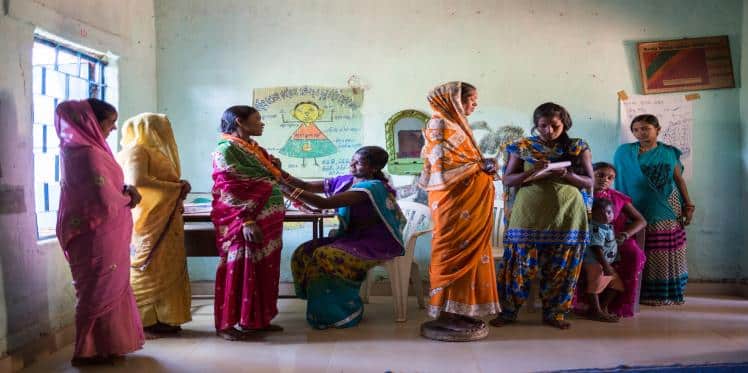
The National Health Mission (NHM) is taking significant strides to enhance healthcare infrastructure and resources in India, particularly in rural and tribal regions. With a focus on supporting underserved populations, the mission aims to ensure quality healthcare is accessible to all, especially in remote areas. As of this week, it was reported that NHM has facilitated the establishment of 1.82 lakh Ayushman Arogya Mandirs (AAMs) across the country, expanding primary healthcare services to populations in need.
Among these, 30,817 AAMs are located in 178 tribal districts, offering a comprehensive range of healthcare services. These services include preventive care, rehabilitation, and palliative treatments, which are vital in areas where access to medical facilities is limited. To further enhance accessibility, the NHM has relaxed existing norms to facilitate healthcare access in challenging environments. For example, the population threshold for establishing various health centers has been significantly reduced.
Increased Support for Tribal Healthcare
Under the current guidelines, Sub Health Centres (SHCs), Primary Health Centres (PHCs), and Community Health Centres (CHCs) can now be set up for smaller populations of 3,000, 20,000, and 80,000, respectively. Additionally, the ratio for Accredited Social Health Activists (ASHAs) has been adjusted to allow one ASHA per habitation, improving on-the-ground health education and service delivery.
The Pradhan Mantri Ayushman Bharat Health Infrastructure Mission (PM-ABHIM) is another initiative aimed at diversifying health services in underserved communities. With an ambitious outlay of Rs.64,180 crore, PM-ABHIM is supporting the development of crucial health facilities, including Integrated District Public Health Laboratories (IPHLs) and Critical Care Hospital Blocks (CCBs). This initiative has led to the approval of 168 IPHL and 110 CCBs in tribal regions.
Commitment to Women’s Health and Teleconsultation
The government’s dedication to universal health coverage extends to tribal women through the Reproductive, Maternal, Newborn, Child, Adolescent Health Plus Nutrition (RMNCAH+N) strategy. This program emphasizes antenatal and post-natal care while promoting institutional deliveries via schemes such as Janani Suraksha Yojana (JSY). Regular outreach services conducted by ASHAs in tribal areas help empower women with essential healthcare knowledge.
Moreover, teleconsultation services are now available at all AAMs, facilitating access to specialists, particularly in remote regions where such services were previously unattainable. As of December 2025, the NHM reported over 42.66 crore teleconsultations conducted nationwide at AAMs.
Mobile Medical Units and Future Initiatives
To further overcome geographical barriers, the NHM has deployed 1,477 Mobile Medical Units (MMUs) in challenging terrains as of June 2025. Recent policy updates under the Pradhan Mantri Janjati Adivasi Nyaya Maha Abhiyan (PM-JANMAN) allow for an increase in MMUs, aiming to reach additional populations in vulnerable tribal areas.
The Ayushman Bharat Digital Mission (ABDM) is set to revolutionize healthcare delivery by creating an online infrastructure that allows for the interoperability of health data, ultimately making healthcare more efficient and cost-effective. The NHM regularly assesses its programs to ensure that health services continue to meet the needs of all citizens, particularly those living in remote and hard-to-reach areas.
Observer Voice is the one stop site for National, International news, Sports, Editor’s Choice, Art/culture contents, Quotes and much more. We also cover historical contents. Historical contents includes World History, Indian History, and what happened today. The website also covers Entertainment across the India and World.
Follow Us on Twitter, Instagram, Facebook, & LinkedIn

