

Government Grievance Redressal System Sees High Activity in 2023-25

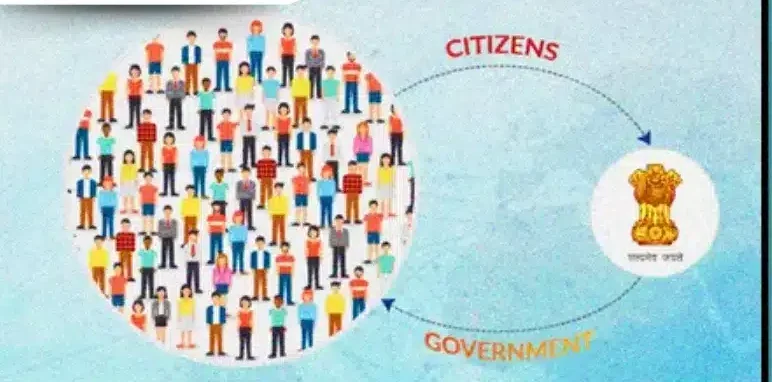
The Central Public Grievance Redress and Monitoring System (CPGRAMS) revealed significant activity in the management of public grievances across Central Ministries, Departments, and State/UT governments for the years 2023-24 and 2024-25. A total of 2,316,710 grievances were registered in 2023-24, leading to a higher resolution figure of 2,528,603 grievances. The next year saw 2,223,186 registered grievances, with 2,302,236 successfully resolved. These statistics reflect a strong commitment to addressing citizen concerns.
Timeliness and Efficiency in Grievance Handling
On average, the CPGRAMS achieved an impressive disposal time of 16 days in 2023-24, which improved slightly to 15 days in 2024-25 for grievances handled by Central Ministries and Departments. In contrast, State and UT governments took longer, with average resolution times of 119 days in 2023-24, reducing to 64 days the following year. This variation highlights the efficiency differences between national and local grievance handling.
Modern Integration and Training Initiatives
To streamline the grievance process, all relevant government bodies have role-based access to the CPGRAMS, allowing efficient processing of public grievances related to their jurisdiction. Moreover, 17 State/UT grievance portals and four Central Ministries’ portals can integrate via API, while other States utilize CPGRAMS as their main grievance mechanism. The system is also available at over 500,000 Common Service Centres (CSCs), making it accessible for the public.
Investment in Capacity Building
Highlighting its commitment to citizen-centric governance, the government has extended financial assistance to State Administrative Training Institutes (ATIs) to enhance training on the Citizens’ Charter, Grievance Redressal Mechanisms, and Capacity Building through the Sevottam Scheme. Over the past three years, ATIs have trained 27,854 officials from States and UTs under this initiative, improving their capacity to respond effectively to public grievances.
Measuring Performance of Grievance Redressal
The performance of grievance redressal is assessed using 11 key indicators outlined in the Grievance Redressal Assessment and Index (GRAI). These indicators include the percentage of grievances resolved within the specified timeline of 21 days, the rate of appeals redressed, the resolution percentage for complaints categorized under corruption, and several others that track the effectiveness of grievance officers. Such comprehensive evaluation mechanisms ensure accountability and transparency in public service delivery.
Ministerial Insights
This information was disclosed by Dr. Jitendra Singh, the Union Minister of State for Science & Technology, during a recent session in the Rajya Sabha. His statement highlighted the government’s ongoing efforts to enhance public grievance resolution through innovative mechanisms and robust training programs aimed at improving citizen engagement.
Observer Voice is the one stop site for National, International news, Sports, Editor’s Choice, Art/culture contents, Quotes and much more. We also cover historical contents. Historical contents includes World History, Indian History, and what happened today. The website also covers Entertainment across the India and World.

