

From Rejection to Leadership: The Shift in Attitudes Towards Cricket in Pakistan

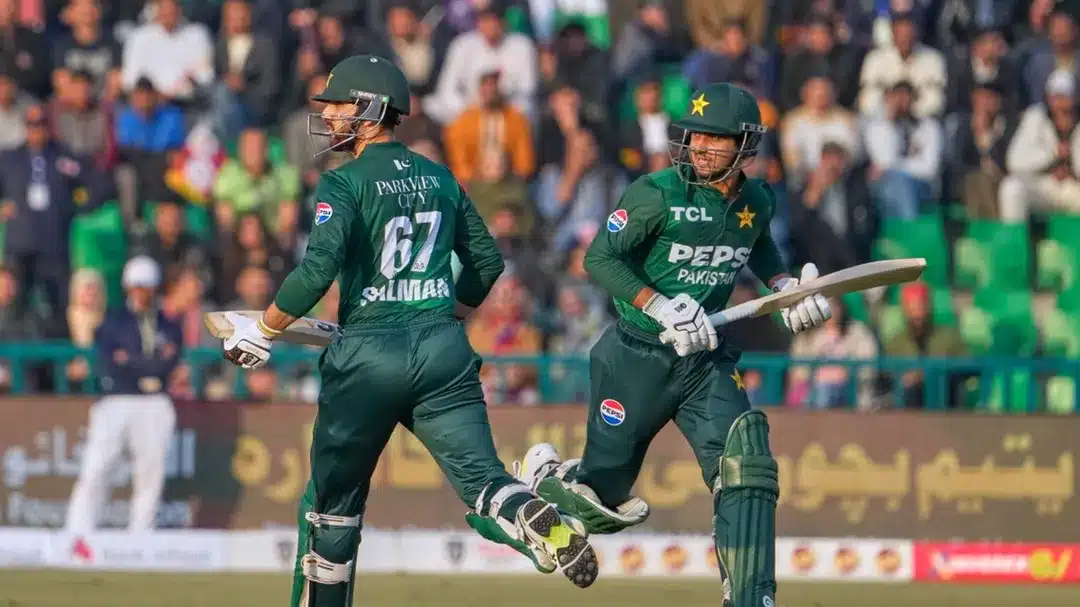
Some will label it chaos, while others may call it a mess, but the cricketing world is once again entangled in a web of politics and security concerns. The Pakistan government has officially confirmed that its cricket team will participate in the ICC Men’s T20 World Cup 2026, but with a significant caveat: Pakistan will not compete in its scheduled league match against India. This announcement, made via the government’s official social media account, highlights ongoing geopolitical tensions that have long affected cricketing relations between the two nations.
Pakistan’s Decision to Boycott India Match
The Pakistan government’s announcement regarding the ICC Men’s T20 World Cup 2026 has stirred significant debate. The statement confirmed that while the Pakistan cricket team is cleared to participate in the tournament, they will not take the field for their match against India on February 15, 2026. This decision stems from Pakistan’s longstanding policy of avoiding tours to India due to ongoing geopolitical tensions. As a result, Pakistan’s Group A matches are set to take place in Sri Lanka, raising questions about the competitive spirit of the tournament.
The International Cricket Council (ICC) has expressed its discomfort with Pakistan’s selective participation. In a formal statement, the ICC emphasized that all teams should compete on equal terms during a global sporting event. The governing body’s reaction underscores the complexities of international cricket, where political issues often overshadow the game itself. The ICC’s stance reflects a broader concern about the implications of such decisions on the integrity of the tournament.
Historical Context of Pakistan’s Cricketing Isolation
Pakistan’s cricketing history is marked by a series of challenges, particularly regarding international tours. Over the years, numerous teams have canceled or declined to tour Pakistan, primarily due to security concerns. One of the earliest notable cancellations occurred in 2008 when New Zealand withdrew from a scheduled tour, citing political instability and safety issues. This trend continued with Australia, which also opted out of touring Pakistan that same year, further complicating the cricketing landscape for the nation.
The situation escalated dramatically in 2009 when the Sri Lankan cricket team was attacked in Lahore while en route to a Test match. This incident not only resulted in injuries and fatalities but also led to a prolonged absence of international cricket in Pakistan. Following this attack, many teams, including India, ceased traveling to Pakistan for bilateral series, primarily due to deteriorating political relations and security fears.
Recent Developments and Future Implications
In recent years, Pakistan has made strides to rebuild its cricketing reputation, gradually welcoming teams like Zimbabwe, Sri Lanka, and New Zealand back to its shores. However, the decision to boycott the match against India in the upcoming T20 World Cup raises questions about the future of cricketing relations between the two nations. Historically, India and Pakistan have only faced each other in ICC tournaments or Asia Cups, often at neutral venues, due to the suspension of bilateral series.
The current situation reflects a significant shift in dynamics. While Pakistan once sought international teams to tour its country, it is now choosing to forgo its most high-profile match in a global event. This decision could have lasting implications for the tournament and the broader cricketing community. As the cricketing world watches closely, the potential for compromise or further conflict remains uncertain, leaving fans and players alike in a state of anticipation.
The Ongoing Ruckus in Cricket
The ongoing ruckus surrounding Pakistan’s decision not to play against India in the T20 World Cup is emblematic of the complex interplay between sports and politics. As the cricketing community grapples with these challenges, the focus remains on how such decisions impact the spirit of competition. The ICC’s call for equal participation underscores the importance of unity in global sports, yet the realities of geopolitical tensions continue to cast a shadow over the game.
As cricket waits on the sidelines, the future of international matches between Pakistan and India hangs in the balance. Whether this standoff will lead to a resolution or further entrench divisions remains to be seen. For now, the cricketing world is left to ponder the implications of these developments, as the chaos continues to unfold.
Observer Voice is the one stop site for National, International news, Sports, Editor’s Choice, Art/culture contents, Quotes and much more. We also cover historical contents. Historical contents includes World History, Indian History, and what happened today. The website also covers Entertainment across the India and World.
Follow Us on Twitter, Instagram, Facebook, & LinkedIn

