

Cuba Condemns Trump’s Tariff Threat as ‘Brutal Act of Aggression’, Accuses U.S. of Blackmail and Coercion

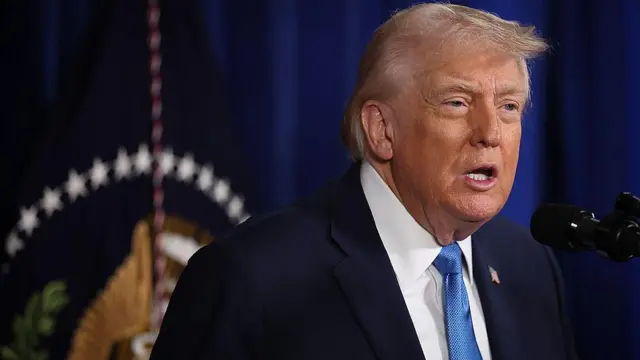
Cuba has strongly condemned U.S. President Donald Trump’s recent executive order threatening tariffs on countries that supply oil to the island. The Cuban government labeled the move a “brutal act of aggression,” asserting that it exacerbates the longstanding economic blockade imposed on the nation. Cuban Foreign Minister Bruno Rodriguez criticized the U.S. for its actions, claiming they are based on false narratives that portray Cuba as a threat. The order, which aims to cut off vital fuel supplies, has raised concerns about its potential impact on the already struggling Cuban economy.
Cuba’s Response to U.S. Tariff Threat
In a statement on social media platform X, Cuban Foreign Minister Bruno Rodriguez denounced the U.S. executive order as a severe act of aggression against the Cuban people. He emphasized that Cuba has endured over 65 years of economic blockade, which has led to extreme living conditions for its citizens. Rodriguez accused the U.S. of fabricating lies to justify its actions, claiming that the real threat to peace and stability in the region comes from U.S. policies aimed at undermining Cuba’s sovereignty and independence. He stated that the U.S. government is attempting to coerce other nations into supporting its blockade against Cuba, threatening them with tariffs if they refuse to comply.
Potential Consequences of the Executive Order
Cuba’s state-run media quickly reacted to Trump’s announcement, warning that the new tariff system could severely disrupt essential services on the island. The government expressed fears that the order could cripple electricity generation, agricultural production, water supply, and health services, all of which are already under strain due to the ongoing economic crisis. In a televised statement, the Cuban government questioned the intentions behind the U.S. actions, suggesting that they could lead to a “genocide of the Cuban people.” The dire predictions highlight the potential humanitarian impact of the U.S. tariffs on an already vulnerable population.
Details of the Executive Order
Trump’s executive order declares a national emergency based on perceived threats from the Cuban government to U.S. national security and foreign policy. The order introduces a new tariff system that allows the U.S. to impose additional tariffs on imports from any country that sells or provides oil to Cuba. This measure aims to cut off one of the key resources sustaining the Cuban regime. Under the order, the U.S. Secretary of State and Secretary of Commerce are empowered to develop rules and guidelines for implementing the tariffs, identifying countries supplying oil to Cuba, and recommending appropriate tariff actions. The President retains the authority to modify the order if Cuba or the affected countries take significant steps that align with U.S. foreign policy objectives.
Broader Implications for U.S.-Cuba Relations
The executive order is part of a broader strategy by the U.S. to hold the Cuban government accountable for its actions and to support the aspirations of the Cuban people. By framing the Cuban regime as a threat due to its support for hostile actors, the U.S. aims to reinforce its stance against Cuba. This latest development in U.S.-Cuba relations underscores the ongoing tensions between the two nations and raises questions about the future of diplomatic engagement. As the situation unfolds, the potential for increased economic hardship in Cuba remains a significant concern for both the Cuban government and its citizens.
Observer Voice is the one stop site for National, International news, Sports, Editor’s Choice, Art/culture contents, Quotes and much more. We also cover historical contents. Historical contents includes World History, Indian History, and what happened today. The website also covers Entertainment across the India and World.
Follow Us on Twitter, Instagram, Facebook, & LinkedIn

