

India-EU Trade Deal Finalized: Reasons Behind Delay in FTA Signing and Timeline for Official Agreement

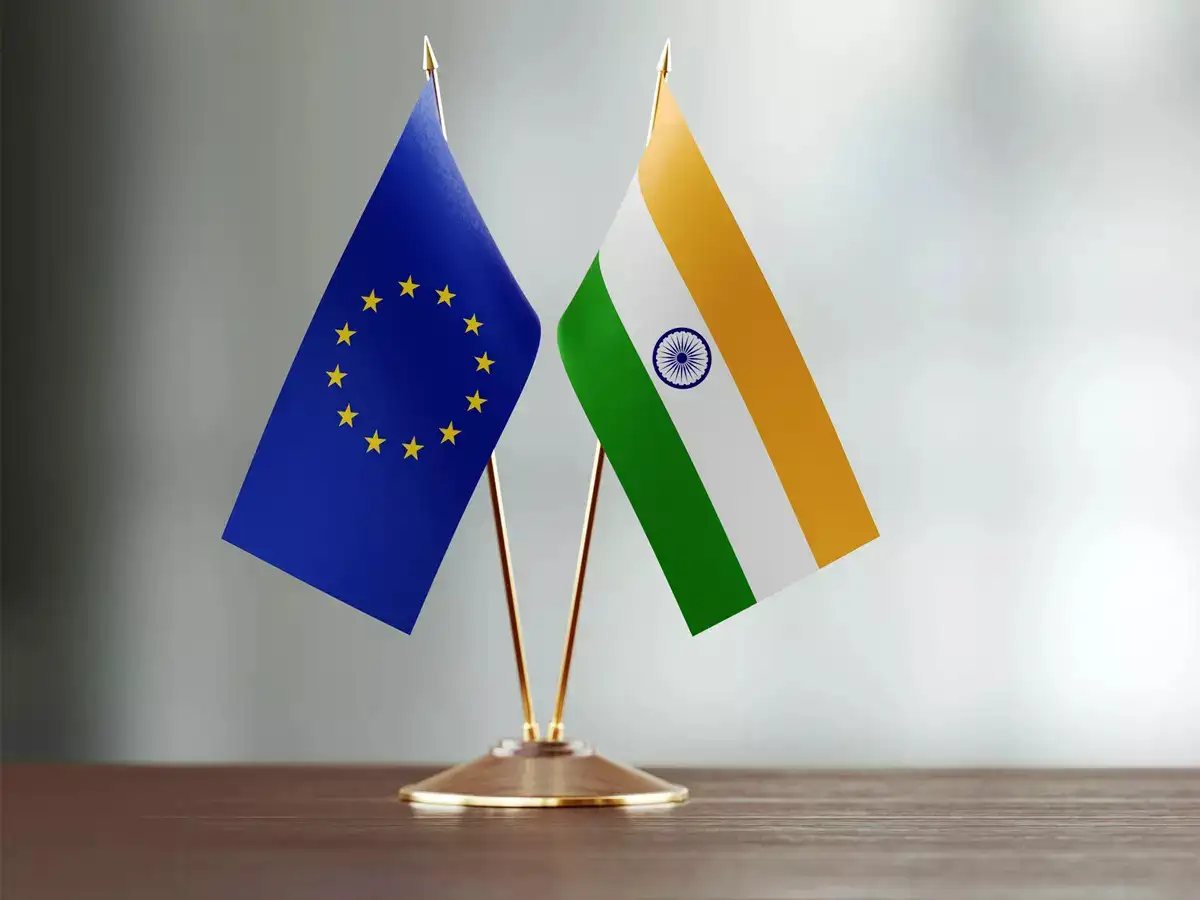
India and the European Union have taken a significant step towards establishing a free trade agreement (FTA) by formally concluding negotiations during the recent India-EU Summit in New Delhi. The event was attended by key leaders, including Prime Minister Narendra Modi, European Commission President Ursula von der Leyen, and European Council President Antonio Costa. While the procedural document was signed, the actual trade deal is still pending finalization and implementation, which is expected to take several more months.
Legal Review Process Ahead
Following the signing of the procedural document, the next phase involves a thorough legal review, often referred to as “legal scrubbing.” This process will include a detailed examination of the agreement by both parties and is anticipated to last at least five to six months. In the coming weeks, negotiators will work on creating a cleaner, consolidated version of the text, which will then undergo legal vetting. Only after this extensive review can the FTA be formally signed.
Once signed, the agreement will still require ratification from both sides before it can take effect. In India, the Union Cabinet must approve the deal, while in the EU, it needs clearance from the European Parliament. This ratification process could extend the timeline for implementation, with officials suggesting that while a signature might occur later this year, the FTA may not be operational until early 2027, depending on the speed of the ratification procedures.
Next Steps for the EU
With the conclusion of negotiations, the European Commission has outlined several steps that must be taken before the FTA can be finalized. These include publishing the negotiated draft texts, conducting a legal revision, and translating the agreement into all official EU languages. Following these steps, the agreement will be proposed to the Council for signature and conclusion, which will then require adoption by the Council itself.
After the signing, the European Parliament must also agree to the deal, followed by a decision from the Council to conclude the agreement, allowing it to enter into force. The Commission has emphasized that the agreement will only be operational once both India and the EU complete their respective ratification processes.
Significance of the Agreement
The India-EU FTA is being hailed as a transformative economic partnership, often referred to as the “mother of all deals.” This landmark agreement is expected to significantly enhance market access for both parties. For India, the FTA promises duty-free or reduced-tariff access for crucial labor-intensive exports, including textiles, apparel, leather goods, marine products, gems, and engineering goods. This is anticipated to foster job creation and support the growth of micro, small, and medium enterprises (MSMEs).
On the other hand, the EU stands to benefit from lowered or eliminated tariffs on a variety of exports to India, such as machinery, chemicals, medical equipment, and processed foods. Additionally, the agreement aims to strengthen supply chains, promote cooperation in clean technology, and increase investment flows between the two regions. As both sides work towards finalizing this historic trade pact, the potential economic impact is expected to be substantial.
Observer Voice is the one stop site for National, International news, Sports, Editor’s Choice, Art/culture contents, Quotes and much more. We also cover historical contents. Historical contents includes World History, Indian History, and what happened today. The website also covers Entertainment across the India and World.

