

Assessing the Impact of Trump Tariffs and a Declining Rupee on India’s Growth: Can the Budget Provide Protection?

India has emerged as the world’s fastest-growing economy, boasting a GDP growth rate of over 6-7%. Recognized by the International Monetary Fund (IMF) as a vital growth engine, India is navigating a complex landscape of geopolitical and economic challenges. Despite exceeding growth forecasts this financial year, concerns loom over whether this momentum can be sustained amid global economic turbulence, particularly due to uncertainties stemming from U.S. trade policies and tariffs.
Challenges Facing India’s Economic Growth
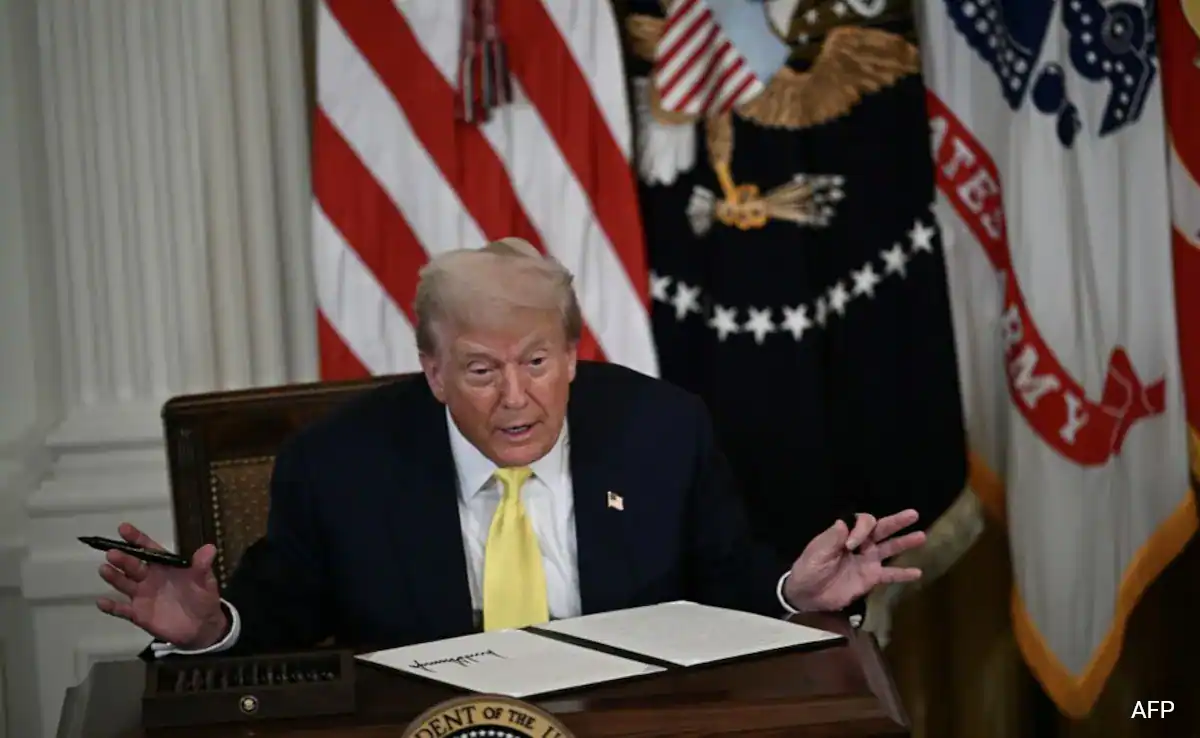
Economists have identified several significant risks that could impact India’s growth trajectory. The depreciation of the Indian rupee and the ongoing trade war initiated by the Trump administration are at the forefront of these concerns. While India’s economy is primarily driven by domestic demand, external factors can still exert considerable influence. The rupee’s decline may lead to imported inflation, prompting calls for the government to maintain fiscal credibility. Experts warn that without a finalized trade agreement between India and the U.S., the economy may face additional shocks from tariffs.
Madan Sabnavis, Chief Economist at Bank of Baroda, emphasizes that domestic factors remain stable, with the primary risks stemming from external tariffs affecting export-dependent industries. He suggests that the government could mitigate these risks through financial incentives. Yuvika Singhal, an economist at QuantEco, highlights the importance of preserving domestic macro stability in the face of global uncertainties. Other economists, including Ranen Banerjee from PwC India, point to the potential for capital outflows and the resulting pressure on the rupee, which could inflate import costs and impact the current account balance.
Implications of Budget 2026
In light of these challenges, the upcoming Union Budget 2026 is expected to play a crucial role in addressing macroeconomic risks. Finance Minister Nirmala Sitharaman’s budget will be closely scrutinized for its approach to fiscal consolidation and economic resilience. Yuvika Singhal commends the government’s commitment to fiscal prudence, noting the need to rekindle entrepreneurial spirit to foster real business growth. She advocates for a targeted reduction in the Gross Debt-to-GDP ratio, which could provide the government with fiscal flexibility to respond to economic fluctuations.
Sujan Hajra from Anand Rathi Group stresses the importance of supporting labor-intensive sectors like textiles and electronics, which are vital for employment. He suggests that the budget should incentivize capital expenditure rather than consumption-driven spending. Additionally, Rumki Majumdar from Deloitte India outlines several recommendations for the budget, including strengthening cash flow for MSMEs, investing in infrastructure, and maintaining a credible fiscal anchor.
Strategies for Economic Resilience
To bolster India’s economic resilience, experts propose a range of strategies that Budget 2026 should consider. Rishi Shah from Grant Thornton Bharat emphasizes the need for sustained public capital expenditure to attract private investment, especially during periods of cautious global capital flows. He also highlights the importance of improving expenditure efficiency and maintaining credible deficit trajectories to preserve investor confidence.
Moreover, the budget could focus on enhancing productivity, innovation, and capability building, moving beyond mere incremental incentives. This approach would help ensure that India’s growth remains robust and domestically driven, capable of withstanding external shocks. As the global economic landscape continues to evolve, the government’s ability to navigate these challenges will be critical for sustaining India’s growth momentum in the years to come.
Observer Voice is the one stop site for National, International news, Sports, Editor’s Choice, Art/culture contents, Quotes and much more. We also cover historical contents. Historical contents includes World History, Indian History, and what happened today. The website also covers Entertainment across the India and World.

