

India Aims for 210 GWh Lithium-Ion Battery Capacity by 2030

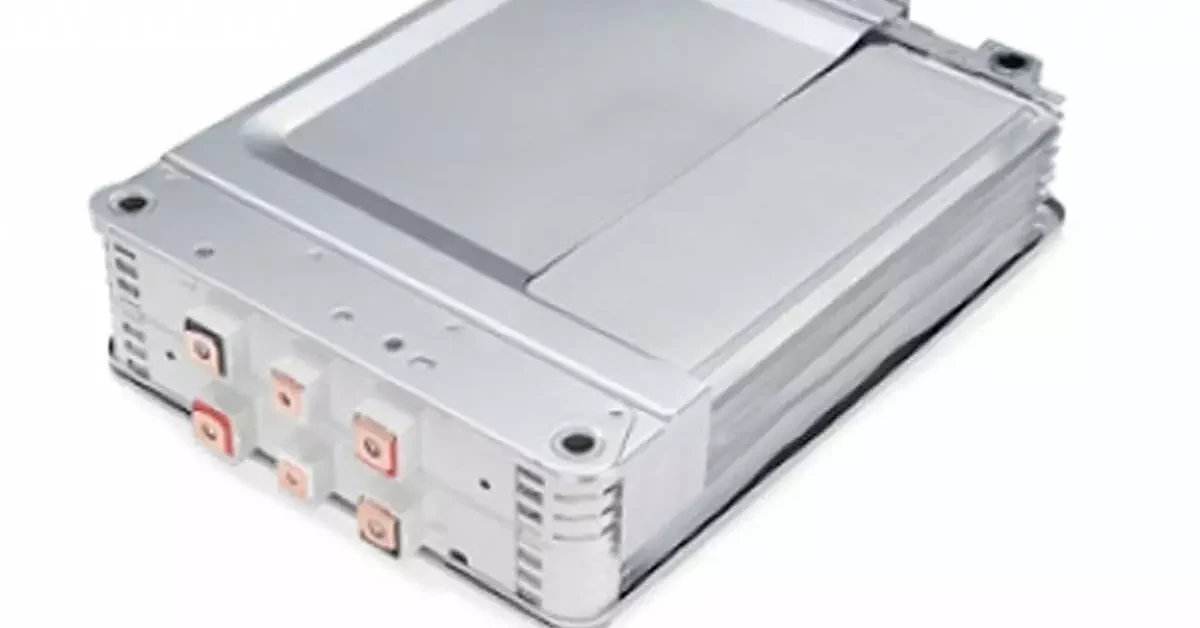
The Indian government is ramping up its efforts in lithium-ion battery production, with Industry officials projecting a surge in demand. According to a report by NITI Aayog released in May 2022, the annual demand for lithium-ion batteries in India is expected to hit 40 GWh by 2025 and climb to approximately 210 GWh by 2030. To support this ambitious target, the Ministry of Heavy Industries has introduced a comprehensive Production Linked Incentive (PLI) scheme, known as the National Programme on Advanced Chemistry Cell (ACC) Battery Storage, which was approved in May 2021.
The PLI ACC scheme has a total financial outlay of ₹18,100 crore aimed at establishing a domestic manufacturing capacity of 50 GWh for advanced chemistry cells. So far, at least ten manufacturers have indicated plans to develop a combined capacity of around 178 GWh over the next five years. Current data shows that the expected manufacturing capacities for these firms under the PLI ACC scheme are promising.
Manufacturers Projected Capacities
A breakdown of the projected manufacturing capacities under the PLI ACC Scheme reveals the following:
| Sl. No. | Beneficiary firms under PLI ACC Scheme | Projected Manufacturing Capacity (in GWh) | Current Manufacturing Capacity (in GWh) |
|---|---|---|---|
| 1. | ACC Energy Storage Pvt. Ltd. | 5 | 0 |
| 2. | Ola Cell Technologies Pvt. Ltd. | 20 | 1 |
| 3. | Reliance New Energy Battery Storage Ltd. | 5 | 0 |
| 4. | Reliance New Energy Battery Ltd. | 10 | 0 |
| TOTAL | 40 | 1 | |
In addition to this initiative, the Ministry of Mines has undertaken multiple steps to secure supply chains for critical minerals like lithium. This includes the establishment of the National Critical Minerals Mission (NCMM), which received Union Cabinet approval on January 29, 2025, with a budget allocation of ₹16,300 crore. The NCMM’s goals include enhancing India’s critical mineral supply chain and bolstering all stages of the resource value chain from exploration to recycling.
Focus on Sustainable Practices
The Ministry of Environment, Forest & Climate Change is also taking significant steps towards sustainability. The organization has enacted the Battery Waste Management Rules (BWMR), 2022, mandating producers, including importers, to meet Extended Producer Responsibility (EPR) targets for the recycling of used batteries. This regulatory framework has already led to the recycling of approximately 15,370 tonnes of lithium-ion battery waste to date.
In summary, the Indian government’s proactive measures through the PLI ACC scheme and other policies are paving the way for a robust lithium-ion battery manufacturing sector, ensuring that the country is well-prepared to meet its future energy needs while promoting environmental sustainability.
Observer Voice is the one stop site for National, International news, Sports, Editor’s Choice, Art/culture contents, Quotes and much more. We also cover historical contents. Historical contents includes World History, Indian History, and what happened today. The website also covers Entertainment across the India and World.

