

India Enhances Power Generation to Meet Rising Demand

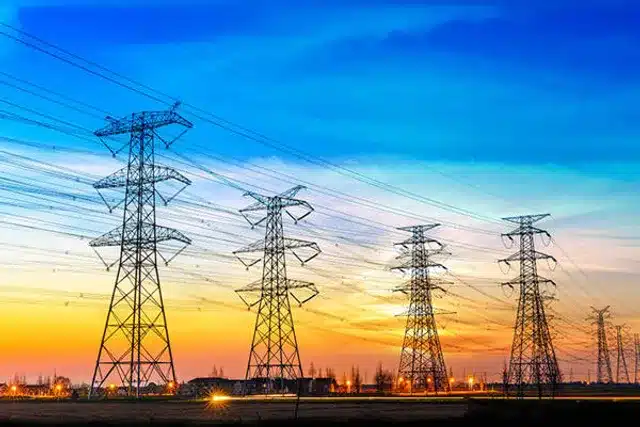
India is witnessing a consistent increase in peak power demand, prompting significant steps from the government to ensure sufficient electricity supply in the future. Recent data reveal a steady rise in both peak demand and the capacity to meet it, showcasing the nation’s efforts to close the gap between power availability and consumption.
Growth in Power Demand and Government Initiatives
Over the past five years, peak demand in India has shown notable growth. The government is anticipating that installed generation capacity will reach an impressive 874 GW by the year 2031-32. This forecast includes a combination of conventional energy sources, such as coal and lignite, and renewable energy sources like solar, wind, and hydroelectric power.
To tackle the future surge in demand, all states have collaborated with the Central Electricity Authority (CEA) to develop dynamic Resource Adequacy Plans (RAPs). These ten-year rolling plans focus on both generation and procurement to ensure that capacity keeps pace with anticipated demand.
Expansion of Generation Capacity
The government’s ambitious capacity addition program is critical for meeting the projected thermal capacity requirement of approximately 307,000 MW by 2034-35. As of March 31, 2023, the installed capacity was 211,855 MW. Currently, 16,560 MW has already been commissioned since April 2023. Additionally, 40,345 MW of thermal capacity is under construction, with contracts for 22,920 MW awarded and further plans for 24,020 MW in various stages of development.
Hydroelectric projects are also receiving attention, with 13,223.5 MW currently under construction. The goal is to have 4,274 MW more in planning stages completed by 2031-32. Meanwhile, nuclear power development is phase-forward, with 6,600 MW under construction slated for completion by 2029-30 and an additional 7,000 MW awaiting governmental approvals.
On the renewable energy front, there is a vigorous expansion. A total of 156,900 MW of renewable capacity, primarily from solar, wind, and hybrid sources, is under construction. In addition, various investment schemes are being enacted to encourage the growth and adoption of renewable energy resources.
Advancements in Transmission Infrastructure
The National Electricity Plan includes extensive transmission improvements to support generation expansion. The shedding light on this initiative, the government aims to add about 191,474 km of transmission lines and 1,274 GVA of transformation capacity by 2031-32.
Support for Renewable Energy Initiatives
Significant steps are being taken to promote renewable energy generation, including waiving Inter State Transmission System (ISTS) charges for solar and wind power sales until mid-2025. The government is also actively inviting bids for procuring renewable energy and allowing up to 100% Foreign Direct Investment (FDI) in this sector. Programs like the Pradhan Mantri Kisan Urja Suraksha evam Utthaan Mahabhiyan (PM-KUSUM) and the National Green Hydrogen Mission are designed to bolster solar energy efforts and encourage innovation in green technology. With the government’s proactive measures and strategic planning, India is positioned to meet its energy demands and transition towards a more sustainable power future.
Observer Voice is the one stop site for National, International news, Sports, Editor’s Choice, Art/culture contents, Quotes and much more. We also cover historical contents. Historical contents includes World History, Indian History, and what happened today. The website also covers Entertainment across the India and World.

