

Elon Musk: Starlink Struggles to Compete with Telecom Companies in Urban Areas

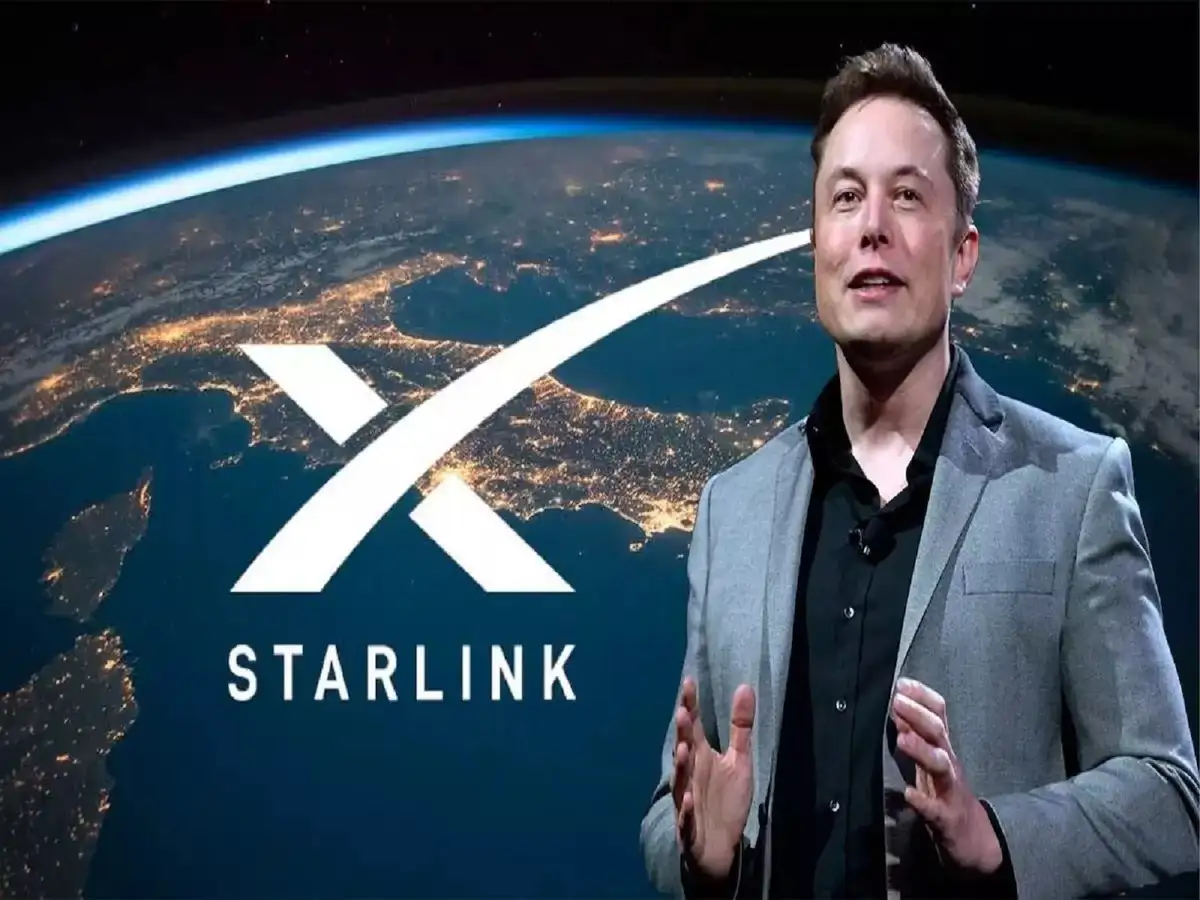
Elon Musk has clarified that his satellite internet service, Starlink, is not intended for densely populated urban areas. Instead, it aims to provide connectivity to rural regions and restore internet access following natural disasters. Musk made these remarks during a conversation with Nikhil Kamath, founder of Zerodha, where he also discussed the future of technology, including advancements in artificial intelligence (AI) and robotics. He emphasized that Starlink’s design is not to compete with traditional urban broadband services but to complement them.
Starlink’s Focus on Rural Connectivity
Musk explained that the physics of satellite communication limits Starlink’s effectiveness in cities. He noted that Starlink satellites operate in low-Earth orbit, typically around 550 kilometers above the ground. Even if the satellites were positioned lower, they would still be too far from urban infrastructure to provide reliable service. Musk likened the satellite beam to a flashlight, which can only support a limited number of users within its coverage area. He stated that it is “not physically possible for Starlink to serve densely populated cities” effectively, suggesting that the service could only reach a small fraction of urban users, primarily in areas lacking fiber-optic connections.
Musk highlighted that Starlink is designed to work alongside existing terrestrial networks, which he described as efficient in cities but less effective in rural areas. He pointed out that rural communities often suffer from inadequate internet access due to the high costs associated with rolling out fiber and high-bandwidth towers. Starlink aims to bridge this gap by serving those who are least connected, ensuring that even in emergencies, such as floods or earthquakes, the network remains operational through its satellite constellation.
Technological Advancements and AI
During the discussion, Musk shared his vision for the future, which he believes will be heavily influenced by rapid advancements in AI and robotics. He described these changes as a “supersonic tsunami” that will transform the nature of work. Musk predicts that within the next two decades, automation will increase productivity to such an extent that traditional work will become optional. He envisions a world where AI can fulfill all human needs, leading to widespread deflation and potentially rendering money obsolete as the cost of goods and services approaches zero.
Musk also touched on the philosophical aspects of AI, advocating for systems governed by principles of “truth, beauty, and curiosity.” He expressed concern about the implications of population decline, suggesting that it limits the scope of human consciousness and innovation. His remarks reflect a broader contemplation of how technology will shape society and the economy in the coming years.
Starlink’s Role in Disaster Recovery
Musk emphasized Starlink’s critical role in disaster recovery efforts. He stated that SpaceX aims to provide internet access during emergencies without imposing financial barriers. “We don’t want to put a paywall up while somebody’s trying to get help,” he remarked, underscoring the importance of connectivity in crisis situations. The network’s design, which includes thousands of satellites linked by lasers, ensures that it can maintain functionality even if ground-based infrastructure is compromised.
This capability is particularly vital in areas prone to natural disasters, where traditional communication networks may fail. By offering reliable internet access in these scenarios, Starlink can facilitate emergency response efforts and help communities recover more swiftly. Musk’s commitment to serving the least connected populations aligns with his broader vision of using technology to enhance human resilience and connectivity in the face of challenges.
Observer Voice is the one stop site for National, International news, Sports, Editor’s Choice, Art/culture contents, Quotes and much more. We also cover historical contents. Historical contents includes World History, Indian History, and what happened today. The website also covers Entertainment across the India and World.

