

India’s Blind Women Cricketers Aim for Historic Victory in Inaugural T20 World Cup

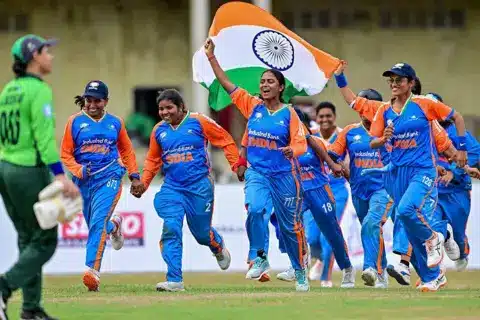
The inaugural Blind Women’s T20 Cricket World Cup is currently underway, showcasing the remarkable talent and resilience of visually impaired Indian women cricketers. This groundbreaking tournament, which began on November 11 in Delhi, features six teams, including India, Nepal, Pakistan, Sri Lanka, Australia, and the USA. The Indian squad, representing nine states, has already made a significant impact by winning all five of their matches and securing a spot in the semi-finals, which will take place in Colombo, Sri Lanka.
The Blind Women’s T20 Cricket World Cup has brought attention to the challenges faced by visually impaired women in India. Many players come from rural backgrounds, with limited access to resources and opportunities. Team manager Shika Shetty highlighted the barriers these athletes have overcome, including cultural and familial resistance to pursuing sports. Most players were introduced to cricket through schoolteachers or community programs, and many have only taken up the sport in recent years.
Blind cricket is played with a specially designed ball that contains metal bearings, allowing players to hear it as it moves. Players are classified into three categories based on their level of visual impairment: B1, B2, and B3. This classification ensures that teams have a mix of players, making the game inclusive and competitive. The Indian team has demonstrated exceptional skill and determination, becoming the first to qualify for the semi-finals of this historic tournament.
Meet the Team Leaders
The Indian team is led by captain Deepika TC, who lost her sight as a child due to an accident. Growing up in a farming family, she discovered cricket through specialized schools that encouraged her to participate in sports. Deepika expressed the significance of leading her team in the World Cup, especially following the recent victory of the sighted Indian women’s cricket team. Her leadership is complemented by vice-captain Ganga Kadam, who has also faced her own challenges. Ganga’s journey began in a school for the blind, where her father enrolled her to secure a better future.
Other notable players include Anekha Devi, a 20-year-old from Jammu and Kashmir, who was encouraged to join a blind cricket camp by her uncle. Anekha quickly adapted to the sport and aims to be a role model for other visually impaired girls. Phula Saren, an all-rounder from Odisha, and Sunita Sarathe from Madhya Pradesh also share inspiring stories of perseverance and dedication, showcasing the diverse backgrounds and experiences of the team members.
Growth of Women’s Blind Cricket
The World Blind Cricket Council (WBCC) has been instrumental in promoting the sport since its inception in 1996. While men’s blind cricket has a longer history, this year marks the first-ever Women’s Blind Cricket World Cup. The Cricket Association for the Blind in India (CABI) was established in 2011 and has been working to create opportunities for women in the sport. The systematic scouting for a women’s team began in 2019, leading to their first international match in 2023 and a gold medal at the IBSA World Games in Birmingham.
CABI’s chairperson, Mahantesh GK, emphasized the importance of providing equal opportunities for visually impaired women. The organization faced challenges in organizing the tournament, including funding and team participation, but the response from governments, sponsors, and the public has been overwhelmingly positive. The visibility of the tournament is expected to encourage more families to support their daughters in pursuing sports, changing perceptions and fostering a more inclusive environment for women in cricket.
Looking Ahead
As the tournament progresses, the semi-finals and final will be held in Colombo, with the final match scheduled for Sunday. All games are being streamed live, significantly increasing the sport’s visibility. This exposure is crucial for the growth of women’s blind cricket, as it may inspire more countries to form teams and elevate the standard of play. Coach Shetty believes that the increased visibility will help families feel more comfortable allowing their daughters to participate in sports, paving the way for a brighter future for women’s blind cricket.
Observer Voice is the one stop site for National, International news, Sports, Editor’s Choice, Art/culture contents, Quotes and much more. We also cover historical contents. Historical contents includes World History, Indian History, and what happened today. The website also covers Entertainment across the India and World.

