

Trump Urged to Immediately Lift 25% Russian Oil Tariffs on India: An In-Depth Analysis

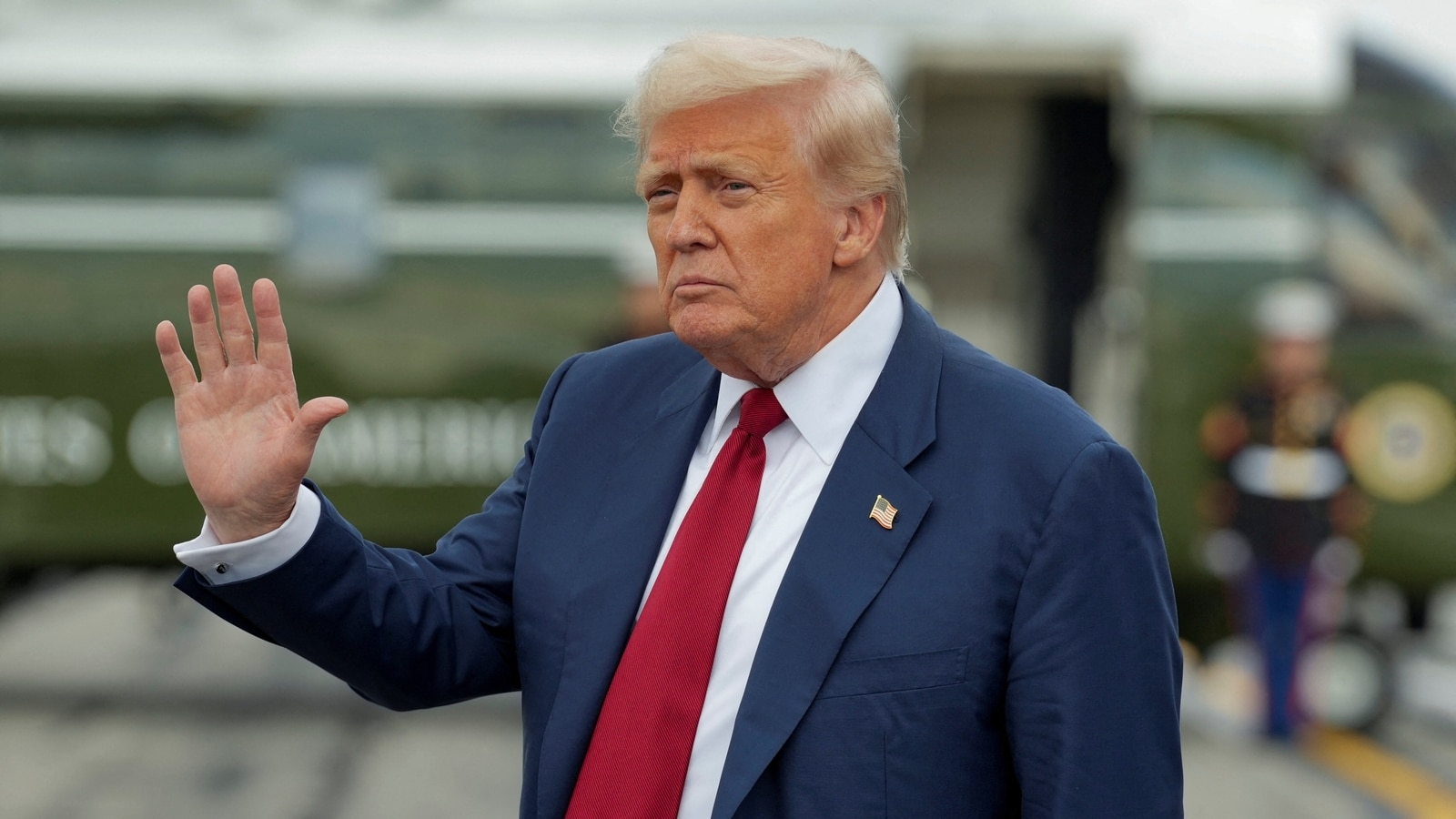
The Global Trade Research Initiative (GTRI) has called for the immediate removal of a 25% tariff imposed by the Trump administration on India’s crude oil trade with Russia. This tariff, introduced in August, was intended to penalize India for its oil imports from Russia, which the U.S. claimed were financing the war in Ukraine. GTRI argues that India has significantly reduced its Russian oil imports and increased its energy purchases from the U.S., making the tariff unnecessary.
Background of the Tariff
In August 2023, the Trump administration imposed a 25% additional tariff on Indian crude oil imports from Russia, citing concerns that these imports were supporting Russia’s military actions in Ukraine. This tariff was in addition to an existing 25% reciprocal tariff. The GTRI has pointed out that since the imposition of this tariff, India has taken substantial steps to address U.S. concerns by reducing its imports of Russian crude oil and increasing its purchases from American suppliers. GTRI founder Ajay Srivastava emphasized that the rationale for the tariff no longer holds, as India has demonstrated a commitment to sourcing energy from the U.S.
India’s Shift in Energy Procurement
According to GTRI, India’s energy procurement strategy has shifted significantly in favor of U.S. suppliers. Data shows that during the first half of 2025, India’s crude oil purchases from the U.S. surged by 66.9%, amounting to $5.7 billion. This increase reflects a broader trend of rising U.S. petroleum exports to India, which reached a total of $7.5 billion, marking a 36.3% increase. In contrast, India’s exports of petroleum products to the U.S. fell by 15%, alleviating previous concerns about India processing Russian crude for re-export. GTRI argues that maintaining the tariff would unfairly penalize Indian exporters who have complied with U.S. expectations.
Implications of the Tariff
The GTRI warns that continuing the 25% tariff could undermine goodwill between the U.S. and India, potentially complicating ongoing trade negotiations. The organization argues that the removal of the tariff would not only fulfill Trump’s previous assurances but also acknowledge India’s rapid transition to American energy sources. Furthermore, it would align U.S. policy with its treatment of other major economies, such as China, which continues to import significant quantities of Russian oil without facing similar sanctions. GTRI believes that the U.S. should act promptly to eliminate the tariff, as there is no longer a strategic, economic, or political justification for its continuation.
Current Trends in Russian Oil Imports
Recent data indicates a notable decline in India’s imports of Russian oil. In November, Indian refiners reduced their purchases significantly, with average imports dropping to 672,000 barrels per day, down from 1.88 million barrels per day in October. This decline reflects the impact of U.S. sanctions on Russian oil suppliers, such as Rosneft and Lukoil. Additionally, the overall export loadings of Russian crude have decreased by 28% across various destinations. GTRI highlights that about 50% of loaded Russian tankers are currently traveling without specified destinations, indicating challenges in securing compliant shipping routes and buyers. The organization asserts that the U.S. should recognize India’s efforts and adjust its policies accordingly.
Observer Voice is the one stop site for National, International news, Sports, Editor’s Choice, Art/culture contents, Quotes and much more. We also cover historical contents. Historical contents includes World History, Indian History, and what happened today. The website also covers Entertainment across the India and World.
Follow Us on Twitter, Instagram, Facebook, & LinkedIn

