

India Emerges as BlaBlaCar’s Largest Market After Exit

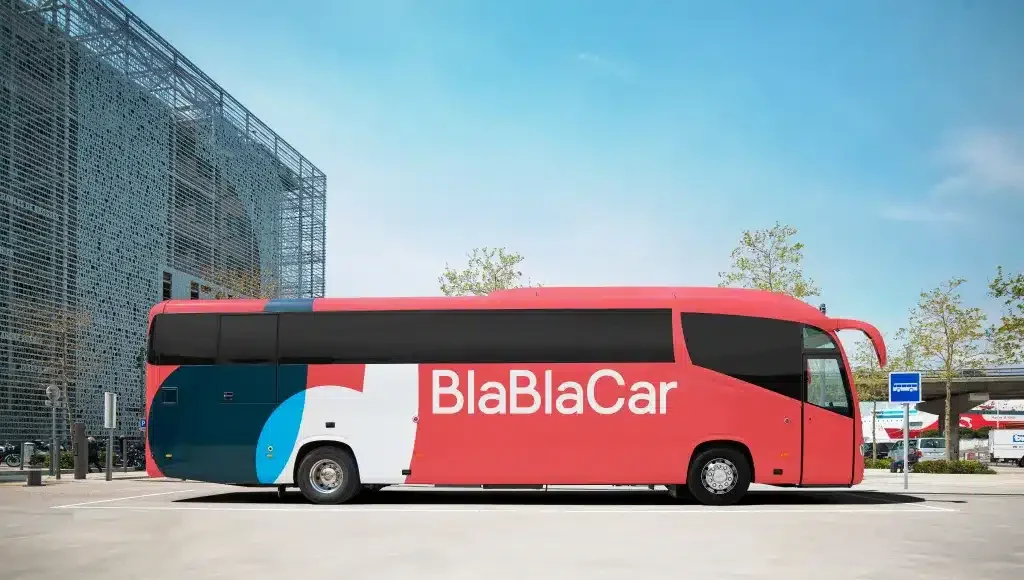
Every few weekends, 21-year-old Lavanya Jain relies on the BlaBlaCar app to find a ride from Noida, near New Delhi, to his hometown of Kandhla in Uttar Pradesh. This 120-kilometer journey costs him approximately ₹500 (around $6), significantly less than the ₹1,500–₹2,000 ($17–$23) he would pay for a private cab. Jain’s experience reflects a growing trend in India, where millions are opting for long-distance carpooling as a more affordable and social travel option. This shift has propelled India to become BlaBlaCar’s largest market globally, with an estimated 20 million passengers expected this year, marking a nearly 50% increase from the previous year.
The Rise of Carpooling in India
BlaBlaCar’s resurgence in India is remarkable, especially considering the company had closed its local office in 2017 due to poor performance. The current growth is largely attributed to word-of-mouth promotion, increased mobile internet access, and the rise of digital payment systems among India’s expanding middle class. With over 700 million smartphone users in the country, digital transactions have surged, with the Unified Payments Interface (UPI) processing around 19.6 billion transfers worth approximately ₹24.9 trillion ($284 billion) in September alone. Additionally, car ownership is on the rise, with sales reaching an all-time high of 4.73 million vehicles in 2024, a 5.2% increase from the previous year.
BlaBlaCar’s growth is further fueled by the limited public transport options available to India’s vast population of over 1.4 billion. The expansion of road infrastructure is also enhancing connectivity between smaller towns and major cities. Co-founder and CEO Nicolas Brusson noted that many users have shifted from flying or taking trains to driving, as carpooling offers a more pleasant and efficient travel experience.
A Shift in Market Dynamics
BlaBlaCar first entered the Indian market in early 2015 but faced stiff competition from ride-hailing giants like Uber and Ola, which were also exploring carpooling options. After struggling to gain traction, the company withdrew its local team in 2017, yet the app remained operational. By 2022, usage began to surge, with the number of users skyrocketing from 4.3 million in 2022 to a projected 20 million this year. Currently, BlaBlaCar boasts about 1.1 million monthly active users in India, with around 75% being passengers and the rest drivers. India now represents approximately 33% of BlaBlaCar’s global carpool passengers.
The company has recorded significant growth in completed trips, with 13.5 million trips logged as of September 30, up from 9.1 million during the same period last year. While Brazil remains slightly ahead in total trips, BlaBlaCar’s rapid expansion in India highlights a shift in the company’s focus from traditional markets in Western Europe to emerging markets like India.
Future Plans and Challenges
Despite its impressive growth, BlaBlaCar is not rushing to monetize its services in India. Brusson emphasized that the company’s priority is to increase usage rather than generate revenue at this stage. Plans are underway to establish a local office in India and hire staff by the end of this year or early next year. Unlike competitors like Uber and Ola, which are demand-driven, BlaBlaCar operates on a supply-led model, focusing on individuals using their own vehicles or opting for available public transport.
However, BlaBlaCar faces challenges in the Indian market, including ambiguous state regulations regarding carpooling, which have led to scrutiny in certain cities. Users have reported difficulties in reaching customer support, often receiving automated responses. To enhance safety, BlaBlaCar has introduced an ID Check feature for user verification, although some users have noted that they can still book rides without completing this process. The company aims to improve user trust through multiple verification methods, including user reviews and ratings.
As BlaBlaCar continues to adapt its platform for Indian users, it has introduced features like “meeting-point logic” to facilitate coordination between drivers and passengers. With the global expectation of reaching around 150 million passengers this year, including bus services in other markets, India is poised to play a crucial role in BlaBlaCar’s future growth trajectory.
Observer Voice is the one stop site for National, International news, Sports, Editor’s Choice, Art/culture contents, Quotes and much more. We also cover historical contents. Historical contents includes World History, Indian History, and what happened today. The website also covers Entertainment across the India and World.

