

Trump’s ‘Wage-Weighted’ H-1B Visa Proposal: Nasscom Raises Concerns

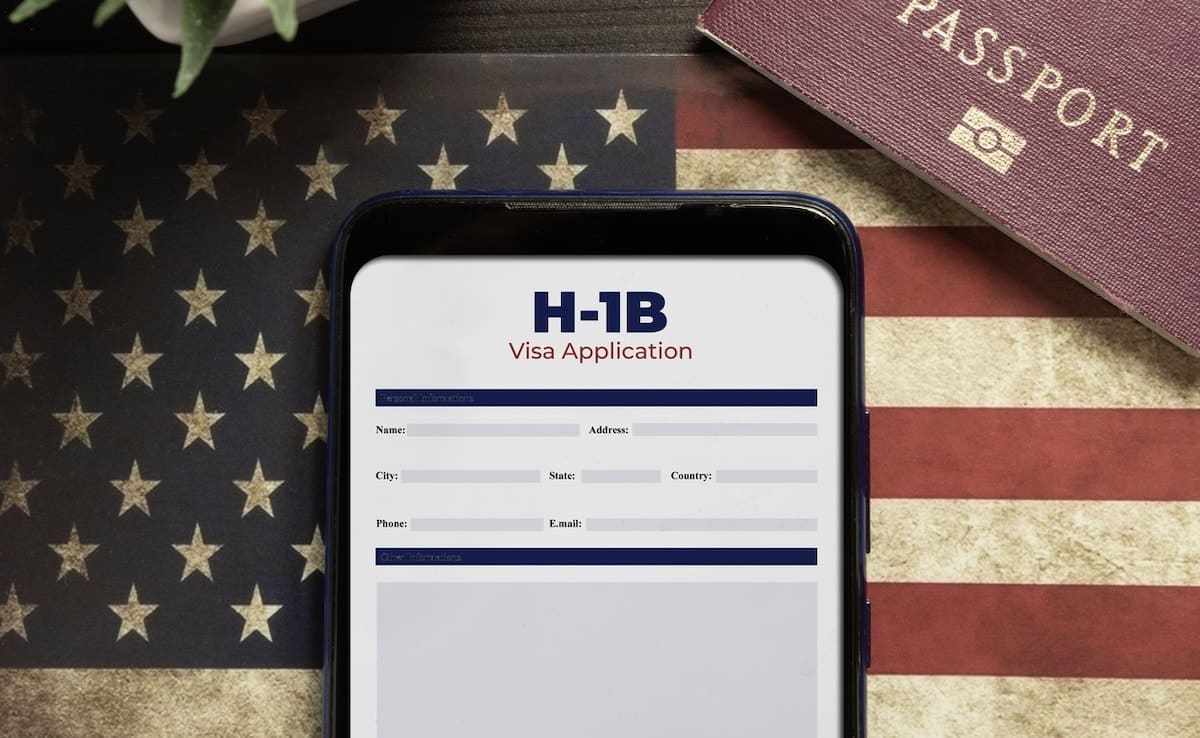
Nasscom, the Indian IT industry body, has raised significant concerns regarding the Trump administration’s proposed overhaul of the H-1B visa system. The new plan aims to replace the existing lottery-based selection process with a wage-weighted system, which Nasscom argues could create legal and economic challenges. The organization warns that this shift could disrupt established hiring practices and exacerbate existing disparities in the visa allocation process.
Details of the Proposed H-1B Visa Changes
The Trump administration’s proposal seeks to eliminate the current random lottery system that has allowed over 750,000 skilled immigrants to work in the United States. Instead, the new framework would prioritize applicants based on their salaries and experience. Under this system, the Department of Homeland Security (DHS) plans to categorize visa registrations according to wage brackets, with higher-paid positions receiving preferential treatment. For instance, a Level 4 wage earner would have four entries in the selection pool, while a Level 1 wage earner would only have one. This change is intended to combat perceived misuse of the H-1B visa program and to ensure that the most skilled professionals are prioritized for employment in the U.S.
DHS estimates that the proposed regulation could yield significant economic benefits, projecting annual gains of approximately $502 million in fiscal year 2026, escalating to $2.01 billion by fiscal year 2035. However, the implications of this new system have raised alarms among various stakeholders, particularly regarding its potential impact on the labor market and the economy.
Nasscom’s Critique of the New System
Nasscom has voiced strong opposition to the proposed changes, emphasizing that American companies have relied on the existing lottery system for nearly two decades. Rajesh Nambiar, president of Nasscom, highlighted that a sudden shift to a wage-weighted model could disrupt established hiring practices, budgets, and project timelines. He pointed out that companies typically plan their recruitment cycles months in advance, aligning them with client needs and academic schedules. The introduction of a wage-based selection process could complicate these established practices and create additional regulatory burdens.
Moreover, Nasscom has raised concerns about the potential for manipulation within the new system. The organization fears that companies might inflate salaries artificially to gain more entries in the lottery, undermining the integrity of the visa allocation process. The U.S. Chamber of Commerce has echoed these concerns, arguing that the assumption that higher wages will lead to economic benefits is flawed. They warn that companies may relocate jobs overseas if they cannot access the necessary talent.
Concerns from Other Trade Bodies
The opposition to the proposed H-1B visa changes extends beyond Nasscom. The U.S. Chamber of Commerce has criticized the notion that increased wages and tax revenue will automatically benefit the economy. They emphasize the importance of all employees, including early-career and mid-level professionals, in maintaining a robust workforce. Patrick Shen, the Chamber’s vice president for immigration policy, noted that the proposed regulation could significantly reduce opportunities for these professionals to obtain H-1B visas.
Additionally, small business owners, who make up a significant portion of H-1B petitioners, could face substantial cost increases under the new system. The ITI Council, representing U.S. technology firms, has also pointed out that the proposed wage measurements do not accurately reflect total compensation packages, which often include equity-based compensation. This oversight could lead to skewed assessments of the costs associated with hiring skilled workers.
Nasscom has suggested delaying the implementation of the new lottery system, originally scheduled for March 2027, until fiscal year 2028. They argue that any changes to the H-1B visa process should be legislated through Congress rather than decided administratively, ensuring a more comprehensive and equitable approach to immigration policy.
Observer Voice is the one stop site for National, International news, Sports, Editor’s Choice, Art/culture contents, Quotes and much more. We also cover historical contents. Historical contents includes World History, Indian History, and what happened today. The website also covers Entertainment across the India and World.

