WHO
-
Featured
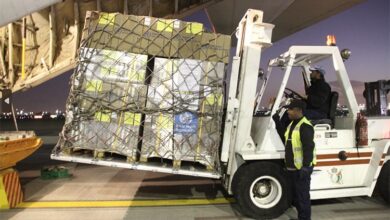
WHO and Dubai’s International Humanitarian City to send life-saving health supplies to Gaza Strip
Amid a worsening health emergency, the World Health Organization (WHO) logistics hub in Dubai, in partnership with Dubai’s International Humanitarian…
Read More » -
International
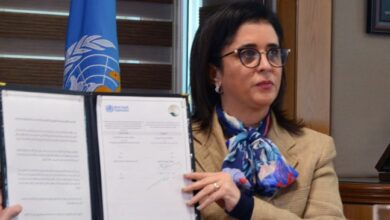
WHO, KSrelief sign new agreement to support over one million people in Gaza
A US$ 10 million agreement signed today by the World Health Organization (WHO) and the King Salman Humanitarian Aid and…
Read More » -
Featured
Nepal restricts trans-fatty acids in food
The World Health Organization congratulates Nepal for restricting levels of industrially produced trans-fatty acids in the food supply through a…
Read More » -
Featured
WHO transfers critical patients out of Nasser Medical Complex, fears for safety of remaining patients
WHO led two life-saving missions to transfer 32 critical patients, including two children, from Nasser Medical Complex in southern Gaza…
Read More » -
International
Children’s lives threatened by rising malnutrition in the Gaza Strip
A steep rise in malnutrition among children and pregnant and breastfeeding women in the Gaza strip poses grave threats to…
Read More » -
International
New manual released to support diagnosis of mental, behavioural and neurodevelopmental disorders added in ICD-11
World Health Organization (WHO) has today published a new, comprehensive diagnostic manual for mental, behavioural, and neurodevelopmental disorders: “The clinical…
Read More » -
International
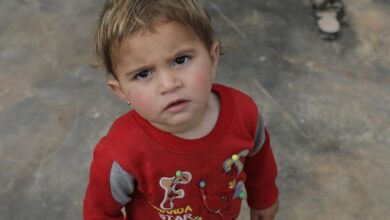
Unprecedented number of Syrians in need of aid after 13 years of war
Thirteen years of conflict have left 16.7 million people requiring humanitarian aid and 15 million people - 65% of the…
Read More » -
International
WHO art competition for school students
On 31 May 2024, the World Health Organization (WHO) will celebrate World No Tobacco Day.
Read More » -
International
International Women’s Day 2024: invest in women to accelerate progress
A call to invest in women’s and girls’ health, well-being, and empowerment in all areas of life goes out today,…
Read More » -
International
Joint UN mission transfers critical patients from Al-Shifa Hospital in Gaza, under intense fighting
On 22 November, in cooperation with the Palestine Red Crescent Society, WHO participated in another joint-UN mission to transfer 151…
Read More » -
International
WHO appalled by latest attack on Indonesian Hospital in Gaza
WHO is appalled by the attack today on the Indonesian Hospital in North Gaza, which reportedly resulted in the killing…
Read More » -
International
World Cancer Day 2024
Cancer is a major contributor to global mortality, causing about 1 in every 6 deaths and affecting nearly every household…
Read More » -
International

WHO welcomes decision by Egypt to receive patients from Gaza Strip
The World Health Organization (WHO) welcomes Egypt’s decision to accept 81 injured and sick people from the Gaza Strip for…
Read More » -
International

World AMR Awareness Week 2023: Prevent infections and improve antimicrobial use to make sure they remain effective | News
As World AMR Awareness Week 2023 begins today, the WHO Regional Office for the Eastern Mediterranean emphasizes the urgent need…
Read More » -
International

Attacks on health care in Gaza Strip unacceptable, says WHO
WHO condemns the attacks on 3 November near Al-Shifa Hospital, Al-Quds Hospital, and the Indonesian Hospital in Gaza City and…
Read More »