

Strategies for India to Ensure Energy Security While Maintaining Oil, LPG, and LNG Imports

India’s energy security strategy is evolving to include a mix of diversified imports, domestic production, strategic reserves, and cleaner energy alternatives. The government is focusing on creating a measurable resilience framework that can withstand geopolitical disruptions and commodity price shocks. This approach emphasizes the importance of multiple suppliers, strategic stocks, and efficient demand management.
Oil: High Import Exposure, Balanced by Refining Strength
India’s reliance on crude oil is significant, with import dependence reaching 88.7% in FY2025-26, according to the Petroleum Planning and Analysis Cell (PPAC). Domestic crude production stood at approximately 28 million tonnes, while the country boasts an installed refining capacity of 258.1 million tonnes per year. This positions India as heavily dependent on imported crude but capable of processing and exporting refined products.
Government policies aim to enhance domestic supply through initiatives like the Hydrocarbon Exploration and Licensing Policy. These reforms may help reduce import dependence, but challenges such as geology and long development cycles mean domestic exploration should be viewed as one of several hedges. Diversification of crude sources is another strategy, allowing refiners to adjust grades and suppliers to mitigate risks associated with single-country exposure.
LPG: Physical Supply and Refill Affordability Must Be Managed Together
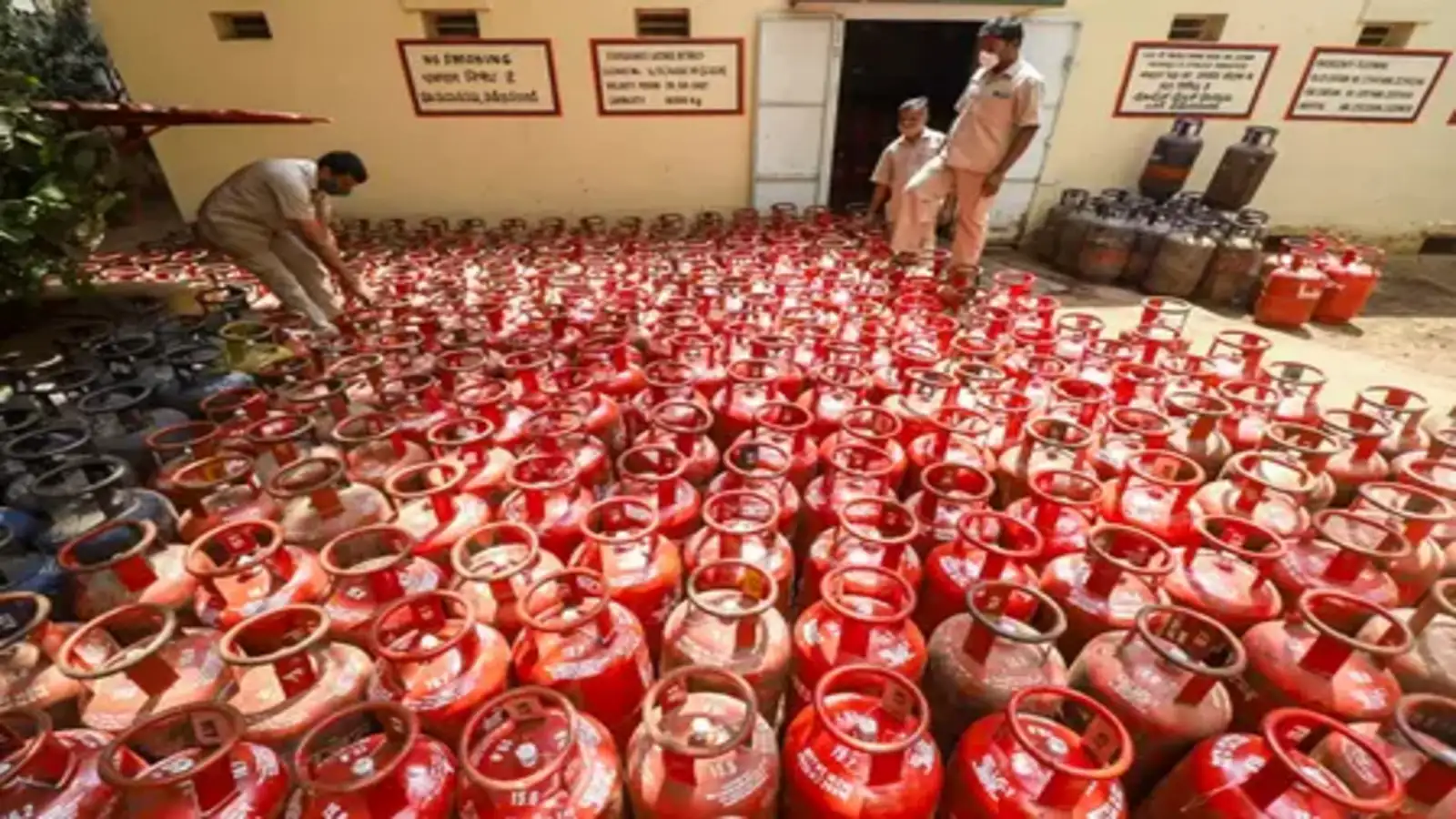
Liquefied petroleum gas (LPG) is critical for household welfare, with India consuming around 31 million tonnes in FY2025-26. Domestic production was about 13.1 million tonnes, leaving a significant portion reliant on imports. Disruptions from Gulf suppliers can quickly impact subsidy costs and retail prices.
The government’s response includes diversifying imports and enhancing infrastructure through the Pradhan Mantri Ujjwala Yojana, which has provided over 10 crore connections by 2024. However, ensuring refill affordability and last-mile delivery is essential for the sustained use of LPG. A balanced approach involving geographically distributed stocks and targeted fiscal support for vulnerable households is necessary.
Natural Gas and LNG: Infrastructure Exists, but Flexibility is Uneven
India consumed 68.5 billion cubic meters (bcm) of natural gas in FY2025-26, with domestic production at 34.3 bcm and LNG imports at 34.2 bcm, indicating a 50% import dependence. The country has eight operational LNG terminals with a regasification capacity of 53.5 million tonnes per annum and an extensive network of natural gas pipelines.
Despite this infrastructure, utilization varies significantly due to factors like pipeline connectivity and demand. Government plans to expand the national gas grid aim to enhance market depth, but new infrastructure requires reliable demand and access. A balanced procurement strategy for LNG is essential, incorporating long-term contracts and flexible pricing to ensure security.
Renewables: “The Strategic Hedge” Now Depends on Grids and Storage
Renewable energy sources are crucial for reducing dependence on imported fuels. As of October 31, 2026, India had 303.5 GW of renewable capacity, including significant contributions from solar and wind. The government aims for 500 GW of non-fossil electricity capacity by 2030, supported by various programs.
However, integrating this renewable capacity necessitates substantial power storage solutions. Estimates suggest a need for 47.24 GW of battery storage and 26.69 GW of pumped storage by 2031-32. Achieving this will depend on effective revenue models and a robust domestic supply chain for solar materials and battery components.
What India Can Learn from Global Examples
India can draw lessons from countries like Japan, which has built resilience through layered public and private oil stocks and effective emergency protocols. While India may not need to replicate Japan’s inventory scale, it can benefit from clear governance in managing strategic and commercial stocks. The European Union’s approach to gas policy, focusing on seasonal storage and burden-sharing, offers another model for reducing risk.
Denmark’s experience shows that managing high shares of variable renewables requires strong interconnections and flexible demand. For India, enhancing interstate coordination and treating balancing resources as national assets will be crucial for effective energy management.
Observer Voice is the one stop site for National, International news, Sports, Editor’s Choice, Art/culture contents, Quotes and much more. We also cover historical contents. Historical contents includes World History, Indian History, and what happened today. The website also covers Entertainment across the India and World.

