

Speakers Call for Protection and Equality Under Law as Commission on Status of Women Enters Second Week

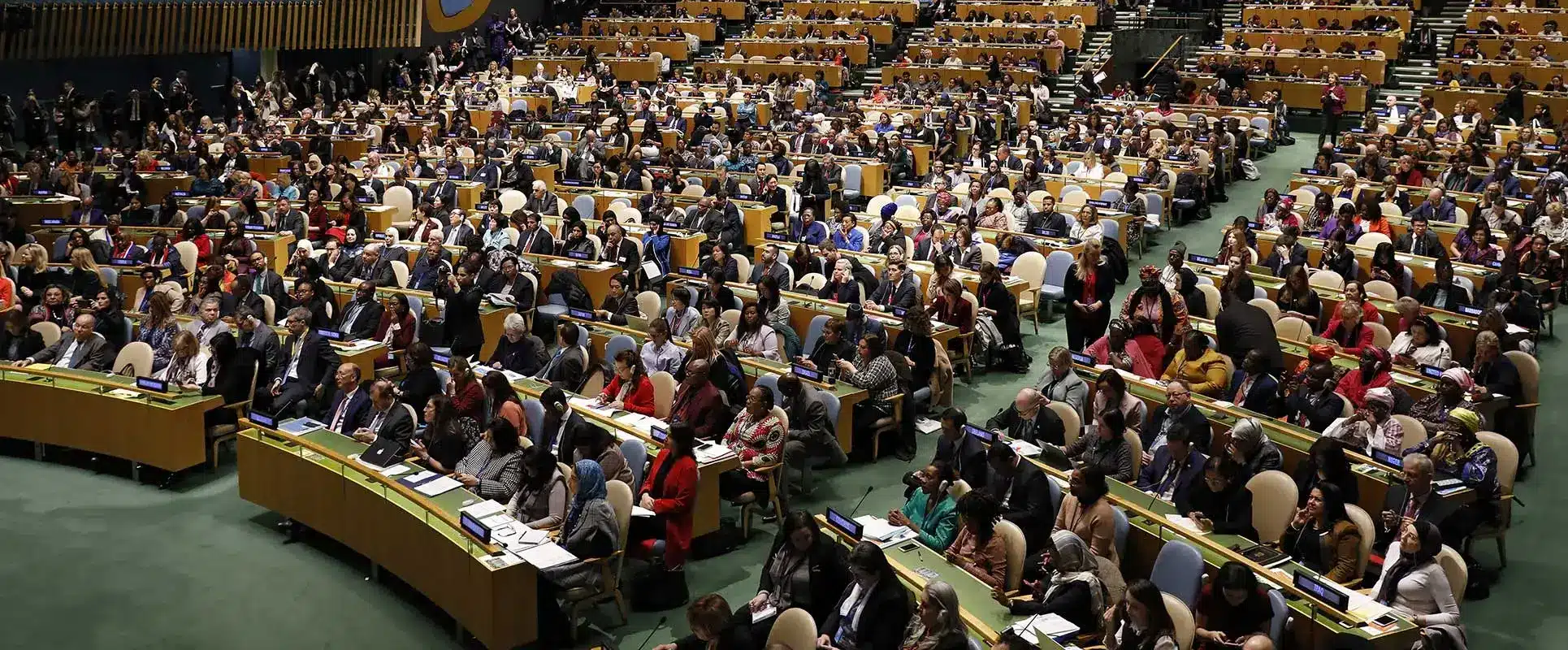
Gender justice must reflect the real-life experiences of young women and girls, according to civil society representatives who spoke at the Commission on the Status of Women. As the Commission enters its second week of its seventieth session, discussions are centered on enhancing access to justice for women and girls. This includes promoting equitable legal systems, eliminating discriminatory practices, and addressing systemic barriers that hinder justice.
Young Voices Shaping Justice Agenda
During an interactive dialogue, youth representatives from various regions gathered both in person and virtually to share their insights. Sima Bahous, Executive Director of UN-Women, emphasized the transformative power of youth-led justice movements, which are challenging societal norms despite facing restricted civic spaces. In consultations conducted by the Commission, over 23,000 young people from 75 countries advocated for justice that is intersectional and focused on real-world implementation. Oona Kurppa from Finland shared her personal experience with online violence, revealing that many young women often do not recognize such harassment as criminal due to its normalization. She called for a cultural shift to address the inequalities embedded in technology, highlighting that digital platforms are predominantly controlled by men. Kurppa stressed the need for accountability from tech companies and urged that online violence be acknowledged as a threat to democracy.
Stigma and Structural Barriers in Accessing Justice
Nauna Revo from the Solomon Islands discussed the complexities of gender-based violence in Pacific communities, where survivors often know their perpetrators. She pointed out that reporting violence can lead to stigma and social isolation, making it difficult for victims to seek help. Geographic barriers also play a significant role, as essential services like police protection may require long and costly journeys. Revo called for mobile service delivery and community-based support networks to improve access to justice. Ekaterine Muzashvili from Georgia shared her experiences as a lawyer, highlighting how gender stereotypes can distort judicial outcomes. She noted that courts often focus on the behavior of complainants rather than the actions of the accused, which can undermine justice for survivors. Sandy Joseph from Haiti addressed the vulnerabilities faced by female migrants, who often endure abuse and exploitation without reporting due to fear of repercussions. She advocated for reforms that decouple access to labor justice from immigration status and ensure the recognition of labor rights for all workers.
Challenges Facing Youth-Led Justice Movements
Rania Hogga from Morocco identified three major challenges that hinder youth-led justice movements: shrinking civic spaces, backlash against gender equality, and chronic underfunding. She explained that restrictive laws and intimidation discourage young activists from participating in civic processes. Despite their significant impact, youth organizations receive minimal funding and often operate on a voluntary basis. Hogga emphasized the importance of recognizing the expertise of young feminist leaders and ensuring their inclusion in decision-making processes. During a panel discussion, Teresa Zapeta from Guatemala acknowledged the ongoing structural barriers to women’s access to legal justice. She called for a comprehensive approach to address the diverse challenges women face globally, including access to reproductive care and protection for human rights defenders. Rangita de Silva de Alwis highlighted the detrimental effects of patriarchal interpretations of religious texts on women’s rights, urging for constructive engagement with governments and religious leaders to advocate for gender equality.
Technological Solutions Expanding Access to Justice
Aferdita Prroni, Executive Director of Albania’s Human Rights in Democracy Center, noted that while Albanian women have strong legal protections, practical implementation remains a challenge. Her organization conducts public awareness campaigns to inform women about their legal rights and provides integrated support for survivors of domestic violence. Tania Sourdin, a professor at the University of Newcastle, discussed how technology can help overcome barriers to legal justice. She pointed out that while there is a digital divide, the widespread use of mobile phones has increased access to legal resources for women. Supportive technologies, such as AI chatbots and online court systems, can facilitate connections to legal services. Sourdin highlighted the potential of these technologies to empower individuals to understand their rights better and navigate the justice system more effectively. The discussions at the Commission underscore the need for continued efforts to enhance access to justice for women and girls globally.
Observer Voice is the one stop site for National, International news, Sports, Editor’s Choice, Art/culture contents, Quotes and much more. We also cover historical contents. Historical contents includes World History, Indian History, and what happened today. The website also covers Entertainment across the India and World.
Follow Us on Twitter, Instagram, Facebook, & LinkedIn

