

India Advances Digital Connectivity, Reducing Villages Lacking 4G by 75%

The Department of Telecommunications (DoT) is making significant strides in enhancing digital connectivity across India’s rural and underserved areas. Recent efforts have led to a remarkable 75% reduction in the number of villages without 4G connectivity, dropping from 45,180 in 2022 to just 11,372 by 2026. This progress marks a crucial step towards bridging the digital divide in rural India.
4G Saturation Project’s Impact
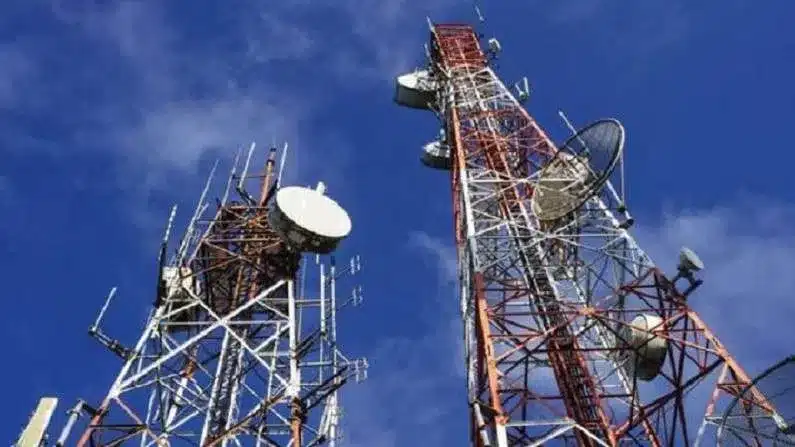
A key player in this connectivity expansion is the DoT’s 4G Saturation Project, aimed at delivering 4G services to 24,680 previously unconnected villages. This initiative ensures that individuals in remote locations can access reliable mobile communication and the benefits of being digitally connected. Additionally, private telecom operators are actively contributing to this expansion by enhancing their network reach in rural regions.
BSNL’s Contribution and User Statistics
Under the 4G saturation plan, Bharat Sanchar Nigam Limited (BSNL) has successfully launched 18,291 sites that are now serving substantial data traffic in rural locales. In October 2026, these sites recorded a staggering 1,021,048 active users in a single day, collectively consuming over 18.6 crore GB of data. This averages to about 18.3 GB per user for the month, with each site catering to approximately 56 users, effectively extending services to scattered rural communities that previously lacked connectivity.
Addressing Future Connectivity Gaps
Looking ahead, the government has sanctioned an additional 26,000 mobile network sites to further close the connectivity gaps. Reaching remote and difficult terrains poses a significant challenge due to rugged landscapes, high infrastructure costs, and sparse population settlements, including the presence of tribal communities. The DoT is committed to overcoming these challenges by coordinating actions with BSNL and other telecom providers to ensure continued progress.
Commitment to Inclusive Digital Access
The Department of Telecommunications is dedicated to prioritizing the coverage of unconnected villages, particularly in remote and tribal regions. Strategies for achieving expanded rural connectivity include deploying more mobile network sites, fostering network-sharing agreements, and optimizing existing telecom infrastructure. Enhanced cooperation with telecom stakeholders will further accelerate network expansion, providing vital digital services in governance, education, healthcare, and financial sectors to rural communities.
The Department remains unwavering in its vision of a digitally connected India, striving to ensure that the benefits of mobile connectivity reach every village and that no community is left behind in the country’s digital evolution.

